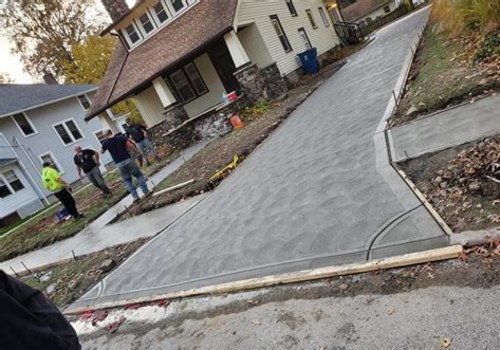
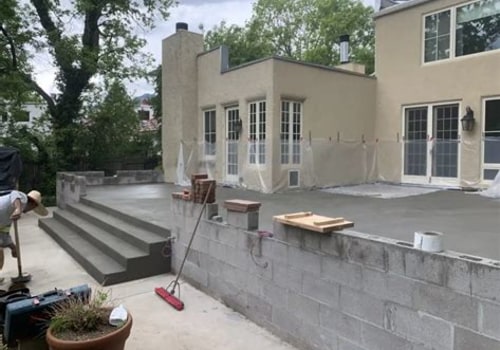
When it comes to construction and home improvement projects, concrete services play a pivotal role in ensuring durability and aesthetic appeal. From driveways and patios to foundations and walkways, the importance of concrete cannot be overstated. It serves as the backbone of many structures, providing not only strength but also versatility in design. Understanding the significance of professional concrete services is essential for homeowners looking to enhance their properties. The installation process of concrete is a critical phase that requires careful planning and execution.
It involves various steps, including site preparation, mixing, pouring, and finishing. Each step must be performed with precision to achieve the desired results. This is where the expertise of concrete professionals comes into play. They possess the knowledge and skills necessary to navigate potential challenges, ensuring that the installation meets both structural integrity and aesthetic standards. As a homeowner, you may wonder about your role during this process.
While it might seem tempting to oversee every detail, understanding when to step back and trust the experts can lead to a smoother installation experience. This section will delve deeper into whether your presence is necessary during the concrete installation process, helping you make informed decisions about your involvement.
What to Expect During Concrete Installation
Understanding the concrete installation process is essential for anyone considering a concrete project. Knowing what to expect can help you feel more confident and prepared. Here’s a breakdown of the typical steps involved in the concrete pouring process:- Site Preparation: Before any concrete is poured, the area must be properly prepared.
This includes clearing the site of debris, vegetation, and any existing structures. The ground may also need to be leveled and compacted to ensure a stable base.
- Formwork Installation: Once the site is ready, formwork is set up. This involves constructing temporary molds that will hold the concrete in place as it cures. The formwork must be secure and accurately shaped to achieve the desired dimensions.
- Reinforcement Placement: Depending on the project, steel rebar or wire mesh may be added to provide additional strength to the concrete.
This step is crucial for preventing cracks and ensuring durability.
- Concrete Pouring: With everything in place, it’s time for the actual pouring of the concrete. This is typically done using a concrete truck that delivers the mix directly to your site. The crew will spread and level the concrete to ensure an even surface.
- Finishing Touches: After pouring, finishing techniques are applied to achieve the desired texture and appearance. This may include smoothing, troweling, or adding patterns.
It’s important to get this right, as it affects both aesthetics and functionality.
- Curing Process: Finally, curing begins. This involves keeping the concrete moist for several days to allow it to harden properly. Proper curing is vital for achieving maximum strength and durability.
Do You Need to Be Present During Installation?
When considering concrete services, one common question homeowners ask is whether they need to be present during the installation process.While it may not be strictly necessary, there are several factors to consider that can influence your decision.
Understanding the Installation Process
The installation of concrete involves multiple steps, including site preparation, mixing, pouring, and finishing. Each of these stages requires careful attention to detail. Being present can help ensure that your specific preferences are communicated clearly to the crew, especially regarding aspects like texture and color.Benefits of Being Present
- Direct Communication: Being on-site allows for immediate communication with the contractors. If any issues arise or if adjustments are needed, you can address them right away.
- Quality Control: Your presence can help ensure that the work meets your expectations and that the crew adheres to the agreed-upon specifications.
- Understanding the Process: Observing the installation can provide valuable insights into how concrete is poured and finished, which can be beneficial for future projects.
When You Might Not Need to Be Present
In some cases, it may be acceptable to leave the installation in the hands of professionals:- Trust in Your Contractor: If you have a reliable contractor with a good track record, you may feel comfortable allowing them to work independently.
- Pre-Established Plans: If you have already discussed all details and specifications thoroughly, your presence may not be necessary.
- Time Constraints: If you have other commitments or time constraints, it might be impractical to stay on-site throughout the entire process.
Open communication is key; if you decide not to be there, ensure that all details are clearly outlined beforehand to avoid any misunderstandings.
Factors Influencing Your Presence During Installation
When considering whether to be present during the concrete installation process, several factors come into play that can significantly influence your decision.Communication with Contractors
One of the primary reasons to be on-site is to maintain effective communication with your concrete services contractor. Being present allows you to:- Ask questions in real-time about the installation process.
- Clarify any last-minute changes or adjustments that may arise.
- Ensure that your vision for the project is being executed as planned.
Project Complexity
The complexity of your concrete project also plays a crucial role in determining your presence. For instance:- If you are installing a simple concrete slab, you may feel comfortable leaving the work to the professionals.
- However, for more intricate designs, such as stamped concrete or decorative finishes, being present can help you oversee the details and make immediate decisions.
Personal Preferences
Your personal preferences and comfort level should not be overlooked. Some homeowners prefer to:- Be hands-on, wanting to witness every step of the process.
- Trust their contractors, allowing them to work independently while they manage other responsibilities.
Benefits of Being Present During Concrete Installation
Being present during the concrete installation process offers several benefits that can significantly impact the quality and outcome of your project.Here are some key advantages of homeowner presence:
- Quality Assurance: When you are on-site, you can monitor the work being done and ensure that it meets your expectations. This allows you to address any concerns immediately, rather than discovering issues after the fact.
- Immediate Communication: Being present facilitates direct communication with the contractors. If any questions or uncertainties arise, you can clarify them on the spot, which helps prevent misunderstandings that could lead to costly mistakes.
- Decision-Making: Concrete installation often requires quick decisions, such as adjustments to the mix or changes in design. Your presence allows you to make these decisions promptly, ensuring that the project stays on track.
- Understanding the Process: Observing the installation process firsthand gives you a better understanding of how concrete services work.
This knowledge can be invaluable for future projects or maintenance.
- Building Trust: Being involved in the process helps build a rapport with your contractors. This relationship can lead to better service and communication throughout the project.
Potential Drawbacks of Being Present
While being present during the concrete installation process may seem beneficial, there are several potential drawbacks that homeowners should consider. Understanding these disadvantages can help you make a more informed decision about your involvement.Stress and Anxiety
One of the primary concerns of being on-site during the pouring of concrete is the stress it can induce.Watching the process unfold can lead to anxiety, especially if you are unsure about the technical aspects of concrete work. Homeowners may find themselves second-guessing the professionals, which can create unnecessary tension.
Confusion Over Technical Details
The installation of concrete involves various technical procedures that may not be immediately clear to someone without experience. This lack of understanding can lead to confusion, particularly if issues arise during the process. Homeowners might feel compelled to intervene or ask questions that could disrupt the workflow, potentially leading to delays.Distraction for Professionals
Having a homeowner present can also be distracting for the concrete services team.Their focus should be on executing the job efficiently and effectively, but a homeowner's presence may divert their attention. This distraction can result in mistakes or oversights that could compromise the quality of the installation.
Impact on Communication
When homeowners are present, communication among the crew may become less effective. The team might feel pressured to explain every step or decision, which can slow down progress. Additionally, if multiple people are involved in discussions, important details might get lost in translation.In conclusion, while it’s natural to want to oversee your concrete installation, weighing these disadvantages is crucial.The stress and confusion that can arise from being present may outweigh any perceived benefits, making it worthwhile to consider stepping back and allowing professionals to handle the job without interference.
What to Communicate with Your Contractor Before Installation
Before the concrete installation begins, effective communication with your contractor is essential to ensure a successful project. Here are some key points to discuss:- Project Timeline: Confirm the start date and estimated duration of the project. Understanding the timeline helps you plan accordingly and ensures that you are available for any necessary discussions.
- Preparation Requirements: Ask your contractor about any preparations needed before the concrete pouring. This may include clearing the area, ensuring proper drainage, or setting up forms.
- Concrete Mix Specifications: Inquire about the type of concrete mix that will be used.
Different projects may require specific mixes for durability, color, or finish.
- Weather Considerations: Discuss how weather conditions might affect the installation process. Rain or extreme temperatures can impact curing times and overall quality.
- Access and Equipment: Ensure that your contractor has access to the site and discuss any heavy equipment that will be used. This is crucial for planning logistics and minimizing disruptions.
- Communication During Installation: Establish how you will communicate during the installation process. Will there be regular updates? How can you reach your contractor if questions arise?
- What is your experience with similar projects?
- Can you provide references from past clients?
- What steps do you take to ensure quality control?
FAQs About Concrete Installation Presence
When considering concrete services, many homeowners wonder about the necessity of their presence during the installation process.Here are some frequently asked questions that can help clarify this concern:
- Do I need to be there during the entire installation?
While it’s not mandatory to be present for the entire process, it is advisable to be available at key moments, such as when the crew arrives and during the initial setup. This allows you to address any last-minute questions or changes. - What if I have specific instructions?
If you have particular preferences regarding the layout or finish, being present can ensure that your instructions are followed accurately. Clear communication with your contractor is essential. - Can I leave once the pouring starts?
Yes, many homeowners choose to step away once the pouring begins, especially if they trust their contractor. However, it’s wise to check in periodically to monitor progress and address any issues that may arise. - What are common homeowner concerns during concrete pouring?
Homeowners often worry about the quality of work, potential weather impacts, and whether the crew is following safety protocols.Being present can help alleviate these concerns by allowing you to observe the process firsthand.
Conclusion: Making an Informed Decision About Your Presence
In conclusion, deciding whether to be present during the concrete installation process is a significant choice that can impact the overall quality and success of your project. Throughout this article, we have explored various factors that influence this decision, including the complexity of the project, the experience of the concrete services team, and your personal comfort level.Here are some key points to consider:- Project Complexity: For larger or more intricate installations, your presence can help ensure that everything is executed according to your specifications.
- Experience of the Crew: If you are working with a reputable and experienced concrete services provider, you may feel more comfortable allowing them to manage the installation without your oversight.
- Communication: Establishing clear lines of communication with your contractor can alleviate concerns about not being present. Regular updates can keep you informed about progress and any potential issues.
- Quality Assurance: Being on-site allows you to monitor the quality of materials and workmanship, ensuring that the final product meets your expectations.
If you choose to be present, prepare yourself with knowledge about the process so you can engage effectively with the crew. Conversely, if you opt to step back, trust in your chosen concrete services provider to deliver a high-quality result. Making an informed decision will not only enhance your peace of mind but also contribute to a successful concrete installation.