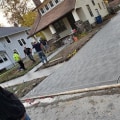
When embarking on a concrete project, whether for residential or commercial purposes, understanding the concrete services available is crucial. Concrete is a versatile material that can be used for a variety of applications, from driveways and patios to foundations and structural elements. However, the journey from concept to completion is not always smooth. Various challenges can arise that may impact the quality, durability, and overall success of the project. One of the primary issues that can surface during a concrete project is related to weather conditions.
Extreme temperatures, whether hot or cold, can significantly affect the curing process of concrete. For instance, pouring concrete in freezing temperatures can lead to improper setting and potential cracking. Similarly, high heat can cause rapid evaporation of moisture, leading to surface defects. Understanding these environmental factors is essential for anyone involved in concrete work.Another common challenge involves site preparation.
Inadequate preparation can lead to uneven surfaces and poor drainage, which may compromise the integrity of the finished product. Additionally, issues such as soil instability or unexpected underground utilities can complicate the project further. By recognizing these potential pitfalls early on, contractors and homeowners alike can take proactive measures to mitigate risks and ensure a successful outcome. In summary, while concrete projects offer numerous benefits, they also come with their own set of challenges. By being aware of common issues such as weather impacts and site preparation concerns, stakeholders can better navigate the complexities of concrete services and achieve their desired results.
Understanding Concrete Composition and Its Impact on Projects
Understanding the composition of concrete is crucial for the success of any construction project.Concrete is primarily made up of four key components: cement, water, aggregates (sand and gravel), and admixtures. Each of these elements plays a significant role in determining the quality and durability of the final product.
Cement
acts as the binding agent in concrete. The type and quality of cement used can greatly influence the strength and longevity of the structure. For instance, using low-quality cement can lead to cracks and structural failures over time.
Water
is another critical component.
The water-to-cement ratio must be carefully controlled; too much water can weaken the mix, while too little can make it difficult to work with. This balance is essential for achieving optimal hydration and strength.
Aggregates
, which include sand, gravel, or crushed stone, provide bulk and stability to concrete. The size, shape, and cleanliness of aggregates can affect the workability and strength of the mix. For example, using dirty aggregates can introduce impurities that compromise the integrity of the concrete.
Admixtures
are optional ingredients added to enhance specific properties of concrete, such as setting time or workability.
However, improper use of admixtures can lead to unforeseen issues, such as delayed curing or reduced strength.Common concrete mix issues often stem from poor quality materials or incorrect proportions. For instance:
- Segregation: This occurs when the heavier aggregates settle at the bottom, leading to an uneven distribution of materials.
- Cracking: Insufficient curing or an improper water-to-cement ratio can result in cracks forming as the concrete dries.
- Pumping Problems: If the mix is too dry or contains too many large aggregates, it may not pump effectively through hoses.
Weather-Related Challenges in Concrete Projects
Weather conditions play a significant role in the success of concrete services. Understanding how temperature and precipitation affect concrete can help contractors and homeowners avoid common pitfalls during a project.Temperature Impact on Concrete Curing
Extreme temperatures can hinder the curing process of concrete.When the temperature is too low, typically below 50°F (10°C), the hydration process slows down, which can lead to incomplete curing and weakened concrete. Conversely, high temperatures, especially above 90°F (32°C), can cause rapid evaporation of moisture from the surface, leading to cracking and surface defects.
- Cold Weather: In cold conditions, it is essential to use warm curing methods, such as insulated blankets or heated enclosures, to maintain an optimal temperature for curing.
- Hot Weather: To combat high temperatures, contractors should consider using retarding admixtures and ensure that the concrete is placed during cooler parts of the day.
Rain and Concrete Work
Rain can pose serious challenges during a concrete project. If rain occurs shortly after pouring, it can wash away the surface layer of freshly placed concrete, leading to a compromised finish. Additionally, heavy rainfall can lead to water pooling on the surface, which may weaken the overall structure.- Preventive Measures: To mitigate rain-related issues, it is advisable to monitor weather forecasts closely and schedule pours accordingly.
Using tarps or temporary coverings can also protect freshly poured concrete from unexpected rain.
- Post-Rain Considerations: If rain does occur after pouring, it’s crucial to assess the condition of the concrete before proceeding with finishing work. In some cases, additional treatments may be necessary to ensure durability.
Common Installation Issues in Concrete Work
When undertaking a concrete project, several common installation issues can arise, potentially compromising the integrity and appearance of the finished product. Understanding these problems is crucial for anyone considering concrete services.Improper Pouring Techniques
- Inconsistent Mix Ratios: One of the most frequent issues is using incorrect mix ratios of cement, sand, and aggregate.
This can lead to weak concrete that may crack or crumble over time.
- Poor Placement: If concrete is not poured evenly or is placed in layers that are too thick, it can result in air pockets and uneven surfaces.
- Temperature Effects: Pouring concrete in extreme temperatures can also cause problems. Cold weather can slow down curing, while hot weather can lead to rapid evaporation, both affecting the final strength.
Finishing Issues
- Surface Defects: Improper finishing techniques can lead to surface defects such as scaling, which occurs when the top layer of concrete flakes off due to moisture loss or freeze-thaw cycles.
- Texture Problems: Achieving the desired texture is essential for both aesthetics and functionality. Inadequate finishing can result in a slippery surface or an uneven texture that detracts from the overall look.
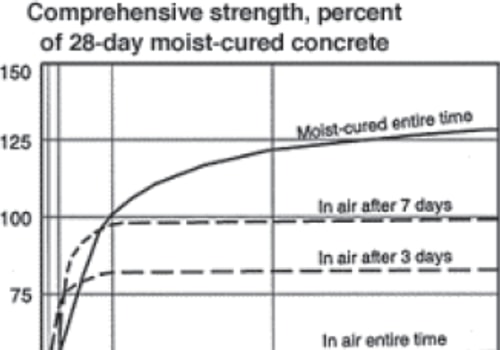
- Curing Mistakes: Neglecting proper curing methods can lead to insufficient hydration, which is vital for achieving optimal strength and durability. Curing should be maintained for at least 7 days to ensure the best results.
Engaging experienced professionals who understand the nuances of concrete work is essential for ensuring a successful project outcome.
Curing Problems and Their Consequences
Proper curing is a critical phase in any concrete project, as it directly influences the strength and durability of the finished product. When curing issues arise, they can lead to significant long-term consequences that may compromise the integrity of the structure.Importance of Curing Time
The curing time is essential for allowing the concrete to hydrate properly. Insufficient curing can result in:
- Cracking: Rapid evaporation of moisture can lead to surface cracks, which not only affect aesthetics but also weaken the overall structure.
- Scaling: Inadequate curing can cause scaling on the surface, leading to a rough texture and potential deterioration over time.
- Reduced Strength: Concrete that is not cured properly may not achieve its intended compressive strength, making it more susceptible to damage under load.
Effects of Improper Curing
The effects of improper curing extend beyond immediate visual defects. Long-term issues include:
- Increased Permeability: Without proper curing, the concrete may become more permeable, allowing water and chemicals to penetrate and cause further damage.
- Shortened Lifespan: Structures that suffer from inadequate curing often have a significantly reduced lifespan, leading to costly repairs or replacements.
- Higher Maintenance Costs: Ongoing maintenance becomes necessary to address issues stemming from poor curing practices, increasing overall project costs.
By understanding the importance of proper curing techniques and their potential consequences, contractors can mitigate risks and deliver high-quality concrete services.
Structural Issues: Cracking and Settling
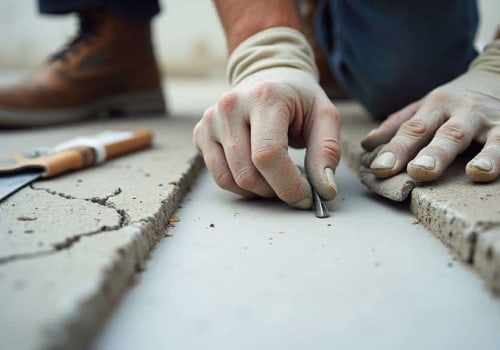
When undertaking concrete services, one of the most significant concerns that can arise post-project is the occurrence of structural issues, particularly cracking and settling. These problems not only compromise the aesthetic appeal of the concrete but also pose serious risks to its structural integrity.Causes of Concrete Cracking
Concrete cracking can be attributed to several factors:- Temperature Changes: Fluctuations in temperature can cause concrete to expand and contract, leading to cracks.
- Moisture Levels: Excessive moisture during curing or drying can weaken the concrete, resulting in cracks.
- Poor Mixing: An improper mix of cement, sand, and aggregate can lead to weak spots in the concrete.
- Load Stress: Overloading concrete structures beyond their designed capacity can cause significant cracking.
Settling Issues in Concrete
Settling occurs when the ground beneath the concrete shifts or compresses, which can lead to uneven surfaces and further structural damage. Common causes include:- Soil Compaction: Inadequate compaction of soil before pouring concrete can lead to settling as the soil settles over time.
- Water Erosion: Water runoff can erode soil beneath the concrete, causing it to sink.
- Tree Roots: The growth of tree roots can disturb the soil and lead to uneven settling.
Similarly, settling can lead to hazardous conditions, such as tripping hazards or compromised load-bearing capabilities. Therefore, addressing these concerns promptly with professional concrete services is essential for maintaining both safety and durability in any concrete project.
The Role of Professional Concrete Services in Mitigating Issues
When embarking on a concrete project, the expertise of professional concrete services can be invaluable in preventing a range of common issues. From improper mixing to inadequate curing, the potential pitfalls are numerous, and hiring experienced concrete contractors can significantly mitigate these risks.Understanding the Benefits of Expert Help
- Quality Assurance: Professional concrete services ensure that the materials used meet industry standards, which is crucial for the durability and longevity of the project.
- Technical Expertise: Experienced contractors possess the knowledge to handle various challenges, such as weather conditions and site-specific requirements, which can affect the outcome of the project.
- Efficient Project Management: Hiring professionals allows for better planning and execution, reducing the likelihood of delays and cost overruns.
- Safety Compliance: Professionals are well-versed in safety regulations and best practices, minimizing risks associated with concrete work.
By investing in expert help, you not only enhance the quality of your project but also safeguard against common issues that could lead to costly repairs down the line.
FAQs About Common Concrete Project Issues
When embarking on a concrete project, it's common to encounter various issues that can affect the quality and durability of the finished product. Here are some frequently asked questions regarding these challenges:What are the most common issues faced during concrete projects?
- Cracking: One of the most prevalent problems, cracking can occur due to improper curing, temperature fluctuations, or excessive load on the concrete.
- Surface Scaling: This issue arises when the surface of the concrete deteriorates due to freeze-thaw cycles or poor finishing techniques.
- Uneven Settling: If the ground beneath the concrete is not properly compacted, it can lead to uneven settling, resulting in dips and bumps.
- Color Variations: Inconsistent mixing or application can lead to noticeable color differences in the finished surface.
How can I troubleshoot these concrete problems?
Addressing issues promptly is crucial for maintaining the integrity of your concrete work. Here are some troubleshooting tips:- For Cracks: Small cracks can often be repaired with a concrete patching compound. For larger cracks, consider consulting a professional for more extensive repairs.
- To Prevent Surface Scaling: Ensure proper curing methods are followed and consider using air-entrained concrete in freeze-prone areas.
- For Uneven Settling: If you notice settling after installation, it may be necessary to lift and re-level the affected areas.
Conclusion: Key Takeaways on Concrete Project Challenges
In summary, navigating the complexities of concrete services requires a thorough understanding of the potential challenges that can arise during a project.By being aware of these issues, contractors and homeowners alike can take proactive measures to mitigate risks and ensure a successful outcome. Some of the most common challenges include:
- Weather Conditions: Extreme temperatures, rain, or high winds can adversely affect the curing process and overall quality of the concrete.
- Improper Mixing: An incorrect ratio of materials can lead to weak concrete, resulting in structural failures.
- Poor Site Preparation: Inadequate site preparation can cause uneven surfaces and compromise the integrity of the concrete.
- Insufficient Curing Time: Rushing the curing process can lead to cracks and reduced durability.
- Conduct Thorough Assessments: Before starting any project, assess the site conditions and weather forecasts to plan accordingly.
- Engage Experienced Professionals: Hiring skilled contractors who specialize in concrete services can significantly reduce the likelihood of errors.
- Prioritize Quality Materials: Using high-quality materials ensures better performance and longevity of the concrete.