Concrete surfaces are a fundamental component of modern construction and landscaping, providing both functionality and aesthetic appeal. From driveways and sidewalks to patios and foundations, the versatility of concrete makes it a popular choice for various applications. However, understanding the average lifespan of concrete surfaces is crucial for homeowners and builders alike, as it directly impacts maintenance decisions and overall project costs. The durability of concrete surfaces is influenced by several factors, including the quality of materials used, environmental conditions, and the level of concrete services applied during installation. Properly mixed and cured concrete can withstand significant wear and tear, making it an ideal choice for high-traffic areas.
Yet, without adequate care and maintenance, even the most robust concrete can deteriorate over time, leading to cracks, spalling, and other forms of damage. As we delve deeper into this topic, we will explore the various elements that contribute to the longevity of concrete surfaces. Understanding these factors not only helps in estimating their lifespan but also highlights the importance of professional concrete services in ensuring that your investment stands the test of time. Whether you are planning a new project or maintaining an existing surface, knowing how to enhance concrete surface durability is essential for achieving lasting results.
Factors Influencing the Lifespan of Concrete Surfaces
The lifespan of a concrete surface is influenced by a variety of factors that can significantly affect its durability and longevity. Understanding these factors is essential for homeowners and businesses considering concrete services.- Environmental Conditions: The climate in which the concrete is placed plays a crucial role in its lifespan.
Extreme temperatures, whether hot or cold, can cause expansion and contraction, leading to cracks. Additionally, exposure to moisture, especially in freeze-thaw cycles, can deteriorate the surface over time.
- Usage: The type and frequency of use also impact the durability of concrete surfaces. High-traffic areas, such as driveways or commercial pavements, experience more wear and tear compared to residential patios. Heavy loads can exacerbate this wear, leading to quicker degradation.
- Quality of Materials: The quality of the concrete mix used during installation is paramount.
A well-mixed concrete with the right proportions of cement, water, and aggregates will yield a stronger surface. Using additives can also enhance durability against environmental stressors.
- Maintenance Practices: Regular maintenance is key to prolonging the life of concrete surfaces. This includes sealing cracks promptly, applying sealants to protect against moisture infiltration, and cleaning the surface to prevent staining and degradation from chemicals or debris.
- Soil Conditions: The underlying soil can affect how well concrete performs. Poor drainage or unstable soil can lead to shifting and settling, which may cause cracking or uneven surfaces.
Average Lifespan of Different Types of Concrete Surfaces
Understanding the average lifespan of different types of concrete surfaces is crucial for homeowners and property managers when planning for maintenance and replacement.Here’s a breakdown of the expected lifespans for common concrete surfaces:
Lifespan of Concrete Driveways
Concrete driveways are designed to withstand heavy loads and daily wear and tear. On average, a well-installed and properly maintained concrete driveway can last between 25 to 30 years. Factors such as climate, soil conditions, and the quality of the concrete mix can influence this lifespan. Regular sealing and prompt repairs of cracks can significantly extend the life of your driveway.Lifespan of Concrete Patios
Concrete patios offer a durable outdoor space for relaxation and entertainment. Typically, a concrete patio can last around 15 to 20 years. The longevity depends on factors like exposure to harsh weather conditions, the thickness of the slab, and whether it has been reinforced. To maximize its lifespan, consider applying a protective sealant every few years.Lifespan of Concrete Sidewalks
Concrete sidewalks are essential for safe pedestrian access and can last approximately 20 to 30 years. The lifespan is influenced by foot traffic, environmental factors, and maintenance practices. Regular inspections for cracks or uneven surfaces can help in addressing issues before they lead to more significant problems. In summary, investing in quality concrete services during installation and adhering to a regular maintenance schedule can greatly enhance the durability and lifespan of your concrete surfaces.By understanding these averages, you can make informed decisions about your property’s concrete needs.
Maintenance Practices to Extend Concrete Lifespan
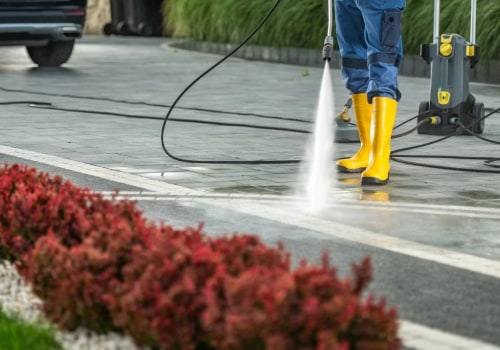
Maintaining concrete surfaces is essential for ensuring their longevity and durability. Regular upkeep not only enhances the aesthetic appeal but also prevents costly repairs in the future. Here are some effective concrete maintenance tips to help extend the lifespan of your concrete surfaces:- Regular Cleaning: Dirt, grime, and debris can accumulate on concrete surfaces, leading to deterioration. Regularly sweeping and washing your concrete can prevent stains and surface damage.
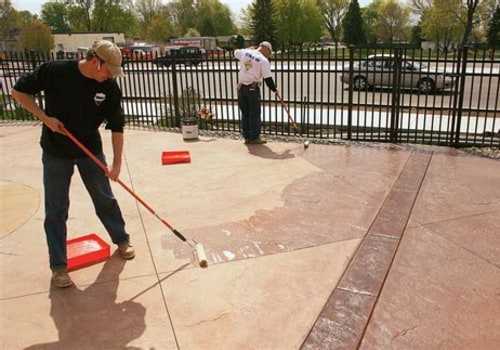
- Sealing: Applying a high-quality sealant every few years can protect your concrete from moisture, chemicals, and UV rays.
This barrier helps to prevent cracks and surface wear.
- Repairing Cracks Promptly: Small cracks can quickly escalate into larger issues if not addressed. Use a concrete patching compound to fill in any cracks as soon as they appear.
- Avoiding Heavy Loads: Be mindful of the weight placed on your concrete surfaces. Excessive weight can lead to cracking and structural damage over time.
- Professional Inspections: Consider hiring concrete services for periodic inspections. Professionals can identify potential issues before they become significant problems, ensuring your concrete remains in optimal condition.
For instance, during winter months, using salt for de-icing can lead to surface damage. Instead, consider using sand or other alternatives that are less harmful. By implementing these maintenance practices, you can significantly enhance the durability of your concrete surfaces, ultimately extending their lifespan and saving on future repair costs.
Common Issues That Shorten Concrete Lifespan
Concrete surfaces are known for their durability, but several common issues can significantly shorten their lifespan. Understanding these problems is crucial for maintaining the integrity of your concrete and ensuring it lasts as long as possible.- Cracking: One of the most prevalent issues with concrete surfaces is cracking. This can occur due to various factors, including temperature fluctuations, improper curing, or excessive load.
Cracks not only compromise the aesthetic appeal but also allow water infiltration, which can lead to further damage.
- Spalling: Spalling refers to the flaking or chipping of the concrete surface, often caused by freeze-thaw cycles or de-icing salts. This issue can weaken the surface and create a rough texture that is not only unsightly but also hazardous.
- Scaling: Similar to spalling, scaling occurs when the top layer of concrete deteriorates, often due to poor finishing techniques or exposure to harsh weather conditions. This can lead to a loss of structural integrity over time.
- Pitting: Pitting is characterized by small holes or depressions on the surface of the concrete. It is typically caused by chemical reactions with substances like acids or improper mixing of materials.
Here are some strategies to enhance the durability of your concrete surfaces:
- Regular Sealing: Applying a high-quality sealant can protect against moisture and chemicals that contribute to deterioration.
- Prompt Repairs: Addressing cracks and spalling as soon as they appear can prevent more extensive damage and costly repairs in the future.
- Proper Drainage: Ensuring adequate drainage around concrete surfaces helps prevent water accumulation, which can exacerbate cracking and spalling.
- Professional Assessment: Engaging professional concrete services for regular inspections can help identify potential issues before they become significant problems.
The Role of Quality in Concrete Services
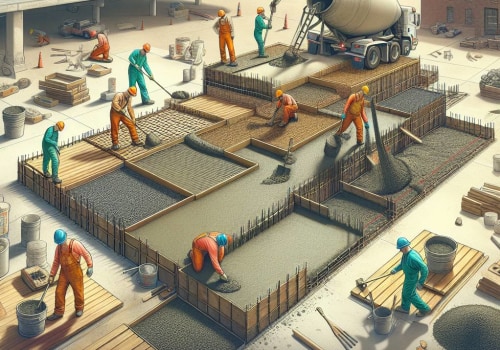
When it comes to concrete services, the quality of both materials and workmanship plays a crucial role in determining the lifespan of a concrete surface. High-quality concrete not only enhances durability but also minimizes the need for frequent repairs and replacements, ultimately saving time and money.Choosing the right concrete contractor is essential for ensuring that your project meets the highest standards. Here are some factors to consider:- Experience: Look for contractors with a proven track record in delivering quality concrete work. Experienced professionals are more likely to understand the nuances of different projects and can provide valuable insights.
- Materials: Inquire about the types of materials used.
Quality aggregates, cement, and additives can significantly affect the strength and longevity of the concrete.
- Workmanship: Skilled labor is just as important as quality materials. Ensure that the contractor employs trained professionals who adhere to best practices in mixing, pouring, and finishing concrete.
By prioritizing quality in both materials and workmanship, you can ensure that your investment stands the test of time.
FAQs About Concrete Surface Lifespan
When considering concrete services, many homeowners and business owners have questions about the longevity of their concrete surfaces. Here are some frequently asked questions that can help clarify common concerns:How long does a concrete surface typically last?
The average lifespan of a concrete surface can range from 20 to 30 years, depending on various factors such as the quality of the materials used, the installation process, and the environmental conditions. Proper maintenance can extend this lifespan significantly., depending on various factors such as the quality of the materials used, the installation process, and the environmental conditions. Proper maintenance can extend this lifespan significantly.What factors affect the lifespan of concrete?
- Quality of Materials: High-quality cement, aggregates, and additives can enhance durability.
- Installation Techniques: Professional installation by experienced contractors ensures proper curing and compaction.
- Environmental Conditions: Exposure to extreme weather, chemicals, and heavy traffic can accelerate wear and tear.
- Maintenance Practices: Regular sealing, cleaning, and repairs can prevent damage and prolong life.
Can I increase the lifespan of my concrete surface?
Yes! Implementing a regular maintenance schedule is key. This includes:- Sealing: Applying a sealant every few years protects against moisture and stains.
- Cleaning: Regularly removing debris and stains helps prevent deterioration.
- Repairs: Addressing cracks or spalling promptly can prevent further damage.
What are common signs that my concrete surface needs repair?
Look for these indicators:- Cracks: Small cracks can develop into larger issues if not addressed.
- Pitting or Spalling: Surface flaking indicates wear that may require resurfacing.
- Puddling Water: Poor drainage can lead to water pooling, which may weaken the structure over time.
Conclusion: Key Takeaways on Concrete Surface Lifespan
In summary, the average lifespan of a concrete surface can vary significantly based on several factors, including the quality of the initial installation, environmental conditions, and ongoing maintenance practices.Generally, a well-installed concrete surface can last anywhere from 20 to 30 years, but with proper care, some surfaces may exceed this range.
Key Factors Influencing Lifespan:
- Quality of Materials: Using high-grade materials during the mixing and pouring process can enhance durability.
- Installation Techniques: Professional concrete services that adhere to best practices ensure a solid foundation and proper curing.
- Environmental Conditions: Exposure to extreme weather, such as heavy rainfall or freeze-thaw cycles, can impact longevity.
- Maintenance: Regular sealing, cleaning, and repairs can significantly extend the life of concrete surfaces.