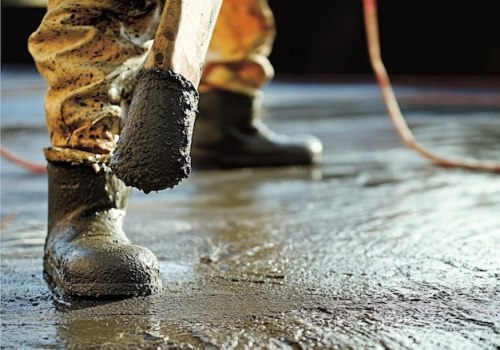
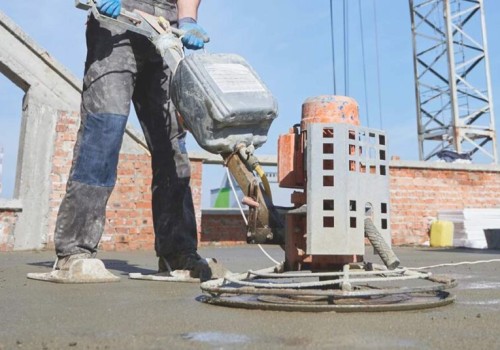
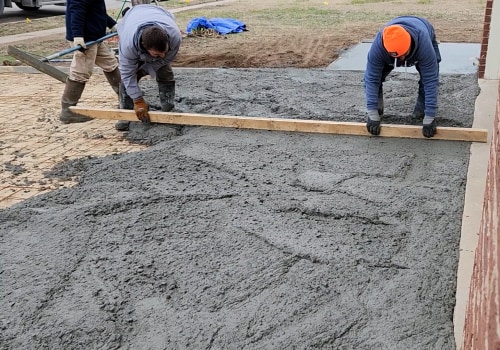
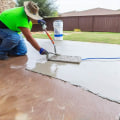
Concrete surfaces are ubiquitous in both residential and commercial settings, serving as the foundation for various structures and outdoor spaces. Understanding the different types of concrete is essential for anyone looking to maintain or enhance these surfaces. From stamped concrete that mimics natural stone to exposed aggregate that showcases the beauty of its raw materials, each type has unique characteristics that influence its maintenance needs. The characteristics of concrete surfaces can vary significantly based on their composition and finish. For instance, a smooth, polished concrete surface may require different cleaning techniques compared to a textured or porous surface.
Additionally, factors such as exposure to weather elements, foot traffic, and chemical spills can affect the longevity and appearance of concrete. Understanding these characteristics is crucial for implementing effective cleaning and maintenance strategies. Proper care not only enhances the aesthetic appeal of concrete surfaces but also extends their lifespan, making it vital for property owners to invest time in learning about concrete services. By recognizing the specific needs of their concrete surfaces, individuals can ensure they remain durable and visually appealing for years to come.
Why Cleaning and Maintenance Matter
Cleaning and maintaining concrete surfaces is essential for several reasons, each contributing to the overall longevity and functionality of your concrete. Regular upkeep not only enhances the aesthetic appeal of your property but also plays a crucial role in ensuring safety and durability.Importance of Cleaning Concrete
Concrete surfaces are often subjected to harsh environmental conditions, including rain, snow, and UV exposure.Over time, these elements can lead to the accumulation of dirt, grime, and stains. Regular cleaning helps to:
- Prevent Damage: Dirt and debris can trap moisture against the surface, leading to cracks and deterioration.
- Enhance Appearance: A clean concrete surface looks more inviting and can significantly improve the overall look of your property.
- Reduce Slips and Falls: Removing algae, mold, or other slippery substances can enhance safety for pedestrians.
Benefits of Maintaining Concrete
Beyond cleaning, regular maintenance is vital for extending the life of your concrete surfaces. Here are some key benefits:- Increased Longevity: Proper maintenance can significantly extend the lifespan of concrete by preventing issues before they escalate.
- Cost-Effectiveness: Investing in maintenance is often less expensive than repairing or replacing damaged concrete.
- Improved Structural Integrity: Regular inspections and maintenance help identify potential problems early on, ensuring that your concrete remains strong and stable.
Tools and Materials for Cleaning Concrete
Maintaining and cleaning concrete surfaces effectively requires the right tools and materials.Here’s a comprehensive list of essential items that will help you achieve optimal results.
Cleaning Tools for Concrete
- Broom: A stiff-bristled broom is essential for sweeping away dirt, debris, and loose particles from the surface.
- Pressure Washer: For deep cleaning, a pressure washer can remove stubborn stains and grime. Look for one with adjustable pressure settings to avoid damaging the concrete.
- Scrub Brush: A heavy-duty scrub brush with a long handle is ideal for scrubbing away tough stains, especially in textured areas.
Best Cleaning Products for Concrete
- Concrete Cleaner: Choose a pH-neutral concrete cleaner that is safe for the environment and effective against oil stains, dirt, and mildew.
- Degreaser: For grease or oil stains, a specialized degreaser will penetrate the concrete and lift the stain without damaging the surface.
- Sealer: After cleaning, applying a high-quality concrete sealer can protect the surface from future stains and wear.
Equipment for Concrete Maintenance
- Floor Buffer: A floor buffer can be used to polish concrete surfaces, giving them a shiny finish while also removing minor scratches.
- Squeegee: For outdoor surfaces, a squeegee helps remove excess water after washing, preventing water spots and streaks.
- Protective Gear: Always wear gloves, goggles, and a mask when using chemical cleaners to ensure safety during maintenance tasks.
Step-by-Step Guide to Cleaning Concrete Surfaces
Cleaning concrete surfaces can seem daunting, but with the right approach, it can be a straightforward task. Here’s a step-by-step guide to help you effectively clean various types of concrete surfaces.- Gather Your Supplies: Before you start, make sure you have the following items:
- Broom or vacuum
- Pressure washer or hose
- Concrete cleaner or mild detergent
- Stiff-bristled brush or broom
- Protective gear (gloves, goggles)
- Clear the Area: Remove any furniture, plants, or debris from the concrete surface. This will give you a clear workspace and prevent any damage to your belongings.
- Dry Cleaning: Start by sweeping or vacuuming the surface to remove loose dirt and debris.
This step is crucial as it prevents scratching the concrete during the cleaning process.
- Wet the Surface: Use a pressure washer or hose to wet the concrete. This helps to loosen any stubborn dirt and grime.
- Apply Cleaner: Choose a suitable concrete cleaner based on the type of stains you are dealing with. For general cleaning, a mixture of water and mild detergent works well. Apply it evenly across the surface.
- Scrub the Surface: Using a stiff-bristled brush, scrub the concrete in circular motions.
Pay extra attention to stained areas, ensuring that you work the cleaner into the surface.
- Rinse Thoroughly: After scrubbing, rinse the area with clean water using a pressure washer or hose. Make sure all cleaning solution residues are removed to prevent any slippery surfaces.
- Allow to Dry: Let the concrete surface dry completely before replacing any furniture or walking on it. This ensures that no dirt sticks to damp areas.
Common Issues and Solutions in Concrete Maintenance
Concrete surfaces are durable, but they can encounter various issues over time.Understanding these common problems and their solutions is essential for maintaining the integrity and appearance of your concrete. Here are some prevalent issues and how to address them:
Concrete Surface Problems
One of the most frequent problems with concrete surfaces is cracking. Cracks can occur due to several factors, including temperature changes, settling, or heavy loads. If left untreated, these cracks can expand and lead to more significant damage.Fixing Cracks in Concrete
To fix cracks in concrete, follow these steps:- Clean the Area: Remove any debris or loose material from the crack using a wire brush or a pressure washer.
- Choose the Right Filler: For small cracks (less than 1/4 inch), use a concrete crack filler or caulk.
For larger cracks, consider using a concrete patching compound.
- Apply the Filler: Follow the manufacturer's instructions to apply the filler evenly into the crack.
- Smooth and Finish: Use a trowel to smooth out the surface and blend it with the surrounding area.
Dealing with Stains on Concrete
Stains on concrete can detract from its appearance. Common culprits include oil spills, rust, and food stains. Here’s how to tackle them:- Oil Stains: Absorb excess oil with cat litter or sawdust, then scrub the area with a mixture of dish soap and warm water.
- Rust Stains: Use a rust remover specifically designed for concrete surfaces. Apply it according to the product instructions.
- Food Stains: For food-related stains, a solution of vinegar and water can be effective.
Scrub gently and rinse thoroughly.
Preventative Maintenance Tips for Concrete Surfaces
Maintaining the integrity of your concrete surfaces is essential for longevity and aesthetic appeal. Implementing preventative maintenance strategies can significantly reduce the need for costly repairs and enhance the durability of your concrete. Here are some effective tips to protect and care for your concrete surfaces:- Regular Cleaning: Keep your concrete surfaces clean by sweeping away debris and using a pressure washer periodically.
This helps prevent stains and buildup that can lead to deterioration.
- Sealant Application: Applying a high-quality sealant every few years creates a protective barrier against moisture, chemicals, and UV rays. This is particularly important for outdoor surfaces exposed to the elements.
- Prompt Repairs: Address any cracks or chips immediately. Small issues can escalate into larger problems if left unattended. Use a concrete patching compound to fill in any imperfections.
- Avoid De-icing Chemicals: In winter, refrain from using harsh de-icing chemicals that can damage the surface of your concrete.
Instead, opt for sand or gravel to improve traction.
- Control Water Drainage: Ensure proper drainage around your concrete surfaces to prevent water pooling, which can lead to cracking and erosion over time.
When to Seek Professional Concrete Services
Maintaining a concrete surface can often be a straightforward task, but there are specific scenarios where seeking professional concrete services becomes essential. Understanding when to hire a concrete maintenance service can save you time, money, and prevent further damage to your surfaces.Signs You Need Professional Help with Concrete:
- Cracks and Damage: If you notice significant cracks, chips, or spalling in your concrete, it’s a clear indication that professional intervention is necessary. Small cracks can often be repaired with DIY methods, but larger or deeper cracks may require expert assessment and repair techniques.
- Uneven Surfaces: If your concrete surface has become uneven or has developed trip hazards, it’s time to call in the professionals.
Uneven surfaces can lead to safety issues and may require specialized equipment for leveling.
- Stains and Discoloration: Persistent stains from oil, rust, or other substances can be challenging to remove without the right tools and cleaning agents. Professionals have access to industrial-grade cleaners that can restore your concrete’s appearance.
- Water Pooling: If you notice water pooling on your concrete surface after rain, it may indicate drainage issues that need to be addressed. Professionals can evaluate the situation and recommend solutions to prevent water damage.
- Age of the Concrete: Older concrete surfaces may require more than just regular maintenance. If your concrete is over 20 years old and showing signs of wear, consulting with a professional can help determine if resurfacing or replacement is necessary.
Professionals bring expertise and experience that can help identify underlying issues that may not be immediately visible. By addressing these problems early on, you can avoid costly repairs down the line.In summary, while routine maintenance can often be handled independently, recognizing when to seek professional help is crucial for maintaining the integrity and appearance of your concrete surfaces. If you encounter any of the signs mentioned above, don’t hesitate to reach out to a qualified concrete service provider for assistance.
FAQs About Concrete Cleaning and Maintenance
When it comes to maintaining and cleaning concrete surfaces, many homeowners and property managers have questions. Here are some of the most frequently asked questions regarding concrete services for cleaning and maintenance:- How often should I clean my concrete surfaces?
It is recommended to clean concrete surfaces at least once a year.However, high-traffic areas may require more frequent cleaning to prevent dirt buildup and staining.
- What is the best method for cleaning concrete?
The best method depends on the type of stains present. For general cleaning, a pressure washer with a mild detergent can be effective. For oil stains, a degreaser may be necessary. - Can I use bleach to clean my concrete?
While bleach can be effective for certain stains, it may not be the best choice for all types of concrete. It can also damage surrounding vegetation and should be used with caution. - How do I remove tough stains from concrete?
For tough stains like rust or paint, specialized cleaners or poultices may be required.Always test a small area first to ensure no damage occurs.
- Is sealing my concrete necessary?
Yes, sealing your concrete can help protect it from moisture, stains, and wear. It is advisable to reseal every 1-3 years depending on exposure and wear. - What are the signs that my concrete needs maintenance?
Look for cracks, discoloration, or surface flaking. These signs indicate that your concrete may need professional attention to prevent further damage.
Conclusion: Key Takeaways on Concrete Care
In conclusion, maintaining and cleaning concrete surfaces is essential for preserving their durability and aesthetic appeal. By following the right practices, you can extend the lifespan of your concrete and ensure it remains in optimal condition.Key Points to Remember
- Regular Cleaning: Implement a routine cleaning schedule to remove dirt, grime, and stains.
This can be done using a pressure washer or a simple broom and hose.
- Use Appropriate Cleaners: Choose cleaners that are specifically designed for concrete surfaces. Avoid harsh chemicals that can damage the surface.
- Seal Your Concrete: Applying a high-quality sealant can protect your concrete from moisture, stains, and wear. This should be done every few years depending on the traffic and exposure.
- Address Cracks Promptly: Inspect your concrete regularly for cracks or chips. Addressing these issues early can prevent further damage and costly repairs.
- Professional Concrete Services: For extensive maintenance or repairs, consider hiring professional concrete services.
They have the expertise and tools necessary to handle complex issues effectively.