When it comes to concrete services, understanding what they entail is crucial for making informed decisions about your construction or renovation projects.
Concrete services
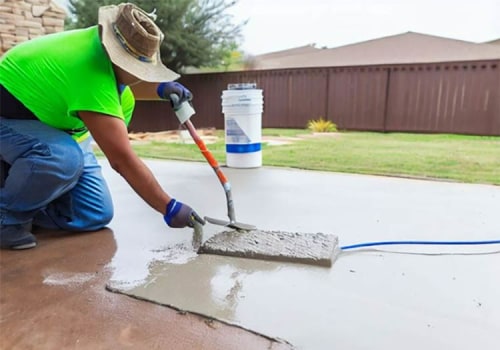
encompass a wide range of tasks, from pouring and finishing concrete for driveways and patios to more specialized applications like decorative concrete and stamped designs. These services are essential for ensuring that your concrete structures are not only aesthetically pleasing but also durable and functional. There are several types of concrete services available, each catering to different needs. For instance, residential concrete services often include foundation work, slab installation, and decorative options such as colored or stamped concrete.On the other hand, commercial concrete services may focus on larger-scale projects like parking lots, sidewalks, and industrial flooring. Understanding these distinctions can help you determine which type of service is best suited for your specific project. Hiring professionals for concrete services offers numerous benefits that can outweigh the allure of a DIY approach. Professionals bring expertise and experience to the table, ensuring that the job is done correctly the first time. They have access to specialized tools and materials that can enhance the quality of the work.
Additionally, professional services often come with warranties, providing peace of mind that your investment is protected. Ultimately, while DIY projects can be rewarding, the complexities involved in working with concrete often make hiring a professional the smarter choice.
Assessing Your Concrete Project Needs
When considering a concrete project, the first step is to assess your specific needs. This involves evaluating the scope of the project, the materials required, and your own skill level. Here are some key factors to consider:- Project Complexity: Determine whether your project is straightforward, like a small patio, or more complex, such as a foundation for a new structure.
Simple projects may be suitable for DIY, while complex ones often require professional expertise.
- Tools and Equipment: Assess whether you have access to the necessary tools. Concrete work often requires specialized equipment like mixers, trowels, and forms. If you lack these tools or the experience to use them effectively, hiring a professional might be the best option.
- Time Commitment: Consider how much time you can dedicate to the project. DIY concrete work can be time-consuming, especially if you are learning as you go.
Professionals can often complete projects more quickly due to their experience.
- Budget Constraints: While DIY projects can save money on labor costs, consider the potential for mistakes that could lead to additional expenses. If your budget is tight but you lack experience, it may be wise to invest in professional services to avoid costly errors.
- Local Regulations: Check if your project requires permits or adheres to local building codes. Professionals are typically familiar with these regulations and can ensure compliance.
However, for larger or more complicated projects, enlisting a professional may save you time, effort, and money in the long run.
Pros and Cons of Hiring a Professional for Concrete Services
When considering whether to hire a professional for concrete services, it’s essential to weigh the pros and cons. Understanding these factors can help you make an informed decision that aligns with your project needs and budget.Advantages of Hiring Concrete Professionals
- Expertise and Experience: Professionals bring years of experience and specialized knowledge to the table. They understand the nuances of different concrete mixes, curing times, and installation techniques, ensuring a high-quality finish.
- Time Efficiency: Hiring a contractor can save you significant time. Professionals can complete projects faster due to their skills and access to the right tools, allowing you to focus on other priorities.
- Quality Assurance: Reputable concrete services often provide warranties or guarantees on their work.
This assurance can give you peace of mind that the job will be done correctly and last for years.
- Safety Considerations: Working with concrete can be hazardous. Professionals are trained to handle heavy materials and equipment safely, reducing the risk of accidents or injuries.
Disadvantages of Hiring Concrete Services
- Cost: One of the most significant drawbacks is the expense. Hiring professionals can be costly, especially for larger projects, which may not fit every budget.
- Lack of Control: When you hire a contractor, you may have less control over the project timeline and execution. This can lead to frustration if your vision doesn’t align with theirs.
- Potential for Miscommunication: If expectations aren’t clearly communicated, there’s a risk that the final result may not meet your standards or desires.
When to Hire a Concrete Contractor
If your project involves complex designs, large areas, or specific structural requirements, it’s advisable to hire a professional.Additionally, if you lack experience in handling concrete or don’t have access to necessary tools, enlisting a contractor can save you from costly mistakes. Ultimately, assessing your skill level, project scope, and budget will guide your decision on whether to go DIY or hire a professional for your concrete services.
DIY Concrete Projects: What You Need to Know
Embarking on a DIY concrete project can be an exciting and rewarding endeavor, but it requires careful planning and the right tools to ensure success. Whether you're looking to create a simple patio, a decorative walkway, or even a concrete countertop, understanding the essentials of working with concrete is crucial.Essential Tools for DIY Concrete Work
- Concrete Mixer: A mixer helps achieve a consistent mix, which is vital for the strength and durability of your project.
- Shovels and Trowels: These are necessary for mixing and spreading the concrete evenly.
- Level: Ensuring your surface is level is key to preventing water pooling and ensuring aesthetic appeal.
- Forms: Use wooden or metal forms to shape your concrete as it sets.
- Safety Gear: Always wear gloves, goggles, and a mask to protect yourself from dust and debris.
Avoiding Common Mistakes
Even seasoned DIYers can make mistakes when working with concrete. Here are some common pitfalls to watch out for:- Poor Mixing: Inadequate mixing can lead to weak concrete.
Always follow the recommended water-to-cement ratio.
- Ignoring Weather Conditions: Extreme temperatures can affect curing times. Avoid working in very hot or cold weather.
- Neglecting Curing: Proper curing is essential for achieving maximum strength. Keep the surface moist for several days after pouring.
- Rushing the Process: Take your time with each step, from mixing to pouring and finishing. Rushing can lead to errors that compromise the integrity of your project.
Remember, while DIY projects can save money, they also require dedication and attention to detail to achieve professional-looking results.
Cost Comparison: Professional Services vs. DIY
When considering whether to hire professional concrete services or tackle a project yourself, understanding the cost implications is crucial. Both options come with their own set of expenses that can significantly impact your budget.Cost of Professional Concrete Services
Hiring professionals for concrete work typically involves higher upfront costs. On average, you can expect to pay between $5 to $10 per square foot for labor and materials, depending on the complexity of the project and your location.This price often includes:
- Labor costs: Skilled labor is essential for ensuring quality and durability.
- Materials: Professionals often have access to higher-quality materials and tools.
- Permits and inspections: Some projects may require permits, which professionals usually handle.
DIY Concrete Costs
If you choose the DIY route, your costs can vary widely based on the scale of your project and the materials you select. Generally, DIY concrete projects can range from $2 to $6 per square foot. However, keep in mind that while the material costs may be lower, you will need to invest in:- Tools: Renting or purchasing tools like mixers, trowels, and forms can add up.
- Time: Your time is valuable; consider how long it will take you to complete the project.
- Mistakes: Inexperience can lead to costly errors that may require professional correction.
Safety Considerations in Concrete Work
When considering concrete services, safety should be a top priority, whether you are hiring a professional or attempting a DIY project.Concrete work involves various risks that can lead to serious injuries if proper precautions are not taken.
Safety Tips for Concrete Work
- Wear Protective Gear: Always use appropriate safety equipment, including gloves, goggles, and a dust mask. This protects against skin irritation, eye injuries, and inhalation of harmful dust.
- Work in a Well-Ventilated Area: If you are mixing concrete indoors, ensure that the area is well-ventilated to avoid inhaling harmful fumes.
- Be Aware of Your Surroundings: Keep the work area clear of obstacles and ensure that you have enough space to maneuver safely.
Risks of DIY Concrete Projects
While DIY concrete projects can be rewarding, they come with inherent risks. Improper handling of materials can lead to:- Injuries from Heavy Lifting: Concrete bags can be heavy; improper lifting techniques can result in back injuries.
- Chemical Burns: The chemicals in concrete can cause skin burns if they come into contact with your skin.
- Slips and Falls: Wet concrete surfaces can be slippery, increasing the risk of falls.
Safety Equipment for Concrete Work
If you decide to undertake a concrete project yourself, investing in the right safety equipment is crucial. Essential items include:- Hard Hats: Protects your head from falling objects.
- Steel-Toed Boots: Provides foot protection against heavy materials.
- Knee Pads: Useful for protecting your knees when working on the ground.
Understanding the risks and equipping yourself with the right knowledge and gear can help prevent accidents and ensure a successful outcome.
Frequently Asked Questions About Concrete Services
When considering concrete services, many homeowners find themselves asking a variety of questions. Here are some of the most frequently asked questions regarding whether to hire a professional or tackle the project themselves.- What are the benefits of hiring a professional for concrete services?
Hiring a professional ensures that the job is done correctly and efficiently. Professionals have the experience, tools, and knowledge to handle various concrete projects, from pouring foundations to decorative finishes. They can also navigate local building codes and regulations, which can save you time and potential legal issues. - Can I do concrete work myself?
Yes, many homeowners choose to take on DIY concrete projects.However, it requires a good understanding of the materials and techniques involved. Simple tasks like creating a small patio or walkway can be manageable for those with some experience. However, larger projects may require more expertise.
- What tools do I need for DIY concrete work?
Basic tools for DIY concrete projects include a shovel, trowel, level, mixer (or mixing container), and safety gear such as gloves and goggles. For larger jobs, you might also need a concrete saw or finishing tools. - How do I know if my project is too complex for DIY?
If your project involves structural elements, intricate designs, or requires significant volume of concrete, it’s advisable to consult with a professional.Additionally, if you’re unsure about your ability to mix and pour concrete correctly, hiring an expert can prevent costly mistakes.
- What are common mistakes in DIY concrete projects?
Common mistakes include improper mixing ratios, inadequate surface preparation, and neglecting to use proper curing techniques. These errors can lead to cracking or uneven surfaces.
Conclusion: Making the Right Choice for Your Concrete Needs
In conclusion, the decision to hire a professional for concrete services or to tackle the project yourself hinges on several critical factors. Throughout this article, we have explored the complexities involved in concrete work, including the necessary skills, tools, and time commitment required for successful execution. For those considering a DIY approach, it is essential to assess your own experience and comfort level with similar projects.While small tasks like patching cracks or pouring a simple slab may be manageable for a determined homeowner, larger projects such as driveways or foundations often require specialized knowledge and equipment.Key Considerations:
- Skill Level: Evaluate your proficiency in handling concrete. If you lack experience, hiring a professional can save you from costly mistakes.
- Time Commitment: Concrete work can be time-consuming. Consider whether you have the time to dedicate to a DIY project without compromising quality.
- Cost vs. Value: While DIY may seem cheaper initially, consider the potential costs of errors and rework.
Professionals bring expertise that can ultimately save you money.