When it comes to enhancing the beauty and functionality of your outdoor and indoor spaces, concrete services offer a versatile solution that goes beyond mere structural integrity. Many homeowners and businesses are discovering the potential of decorative concrete as a way to transform plain surfaces into stunning focal points. From driveways to patios, the options available can significantly elevate the aesthetic appeal of any area, especially when combined with expert sprinkler systems to ensure lush greenery. Understanding the various concrete surface options is essential for anyone looking to make a lasting impression. Decorative elements such as stamped patterns, colored finishes, and polished surfaces not only enhance visual interest but also provide practical benefits like increased durability and reduced maintenance.
By incorporating these features, you can create a unique environment that reflects your personal style while ensuring that your concrete surfaces stand the test of time. As we delve deeper into the world of decorative concrete, it becomes clear that the right concrete services can turn an ordinary slab into an extraordinary work of art. Whether you are considering a complete overhaul or subtle enhancements, understanding your options will empower you to make informed decisions that align with your vision and budget. Get ready to explore how decorative elements can redefine your concrete surfaces and add value to your property.
Types of Decorative Elements for Concrete Surfaces
When considering decorative elements for your concrete surfaces, there are several options that can enhance both the aesthetic appeal and functionality of your space. Here are some popular types of decorative concrete:- Stains: Concrete stains are a fantastic way to add color and depth to your surfaces.
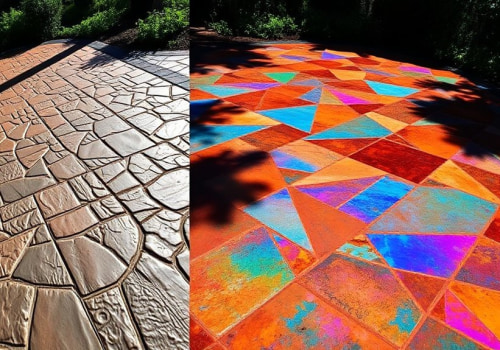
They penetrate the concrete, providing a long-lasting finish that can mimic the look of natural stone or wood. Stains come in both acid-based and water-based varieties, allowing for a range of hues and effects.
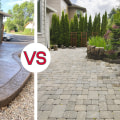
- Stamps: Concrete stamping involves pressing molds into freshly poured concrete to create patterns and textures. This technique can replicate the appearance of brick, slate, or tile, offering a cost-effective alternative to traditional materials.
- Overlays: A concrete overlay is a thin layer of polymer-modified concrete applied over existing surfaces. This option not only revitalizes worn-out concrete but also allows for various finishes, including smooth, textured, or patterned surfaces.
- Engravings: Engraving involves carving designs into cured concrete, creating intricate patterns or images.
This method is ideal for adding personalized touches to patios, walkways, or driveways.
Benefits of Adding Decorative Elements to Concrete
Adding decorative elements to your concrete surfaces can significantly enhance both the aesthetic appeal and functionality of your property. Here are some key benefits to consider:- Aesthetic Appeal: Decorative concrete allows for a wide range of design options, from stamped patterns to colored finishes.
This versatility enables homeowners and businesses to create unique looks that complement their overall design vision.
- Increased Property Value: Investing in decorative concrete can boost your property’s market value. Potential buyers often appreciate the visual appeal and modern look of decorative surfaces, making your property more attractive in a competitive market.
- Durability: Decorative concrete is not only beautiful but also highly durable. When properly installed, it can withstand harsh weather conditions, heavy foot traffic, and other wear and tear, ensuring that your investment lasts for years.
- Low Maintenance: Unlike other materials that may require frequent upkeep, decorative concrete surfaces are relatively easy to maintain. Regular cleaning and occasional sealing can keep them looking fresh without the need for extensive repairs.
- Eco-Friendly Options: Many decorative concrete services offer sustainable solutions, such as using recycled materials or low-VOC products, making it an environmentally friendly choice for conscious consumers.
They encompass increased property value, durability, and low maintenance requirements, making them a smart choice for anyone looking to enhance their space.
How to Choose the Right Decorative Element for Your Concrete Surface
When it comes to enhancing your concrete surface, choosing the right decorative element is crucial. The options are vast, and making an informed decision can significantly impact the overall aesthetic and functionality of your space. Here are some key factors to consider:- Location: The environment where your concrete surface is located plays a vital role in determining the best decorative options. For instance, outdoor surfaces may require more durable finishes that can withstand weather conditions, while indoor spaces might allow for more delicate designs.
- Climate: If you live in an area with extreme temperatures or high humidity, it's essential to select decorative elements that can endure these conditions.
For example, certain stains and sealers may not perform well in humid climates, leading to peeling or fading.
- Personal Style: Your personal taste should guide your choice of decorative elements. Whether you prefer a modern look with sleek lines or a rustic feel with textured finishes, aligning the design with your style will ensure satisfaction in the long run.
- Staining: This technique allows you to add color and depth to your concrete surface, enhancing its visual appeal.
- Stamping: Stamped concrete can mimic the appearance of natural materials like stone or brick, providing a sophisticated look.
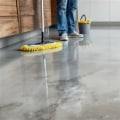
- Polishing: A polished finish not only adds shine but also makes the surface more resistant to stains and damage.
Installation Process for Decorative Concrete Elements
Installing decorative elements on your concrete surface can significantly enhance its aesthetic appeal and functionality. Whether you’re considering stamped concrete, stained finishes, or overlay systems, understanding the installation process is crucial for achieving the best results.Preparation Steps
- Clean the Surface: Begin by thoroughly cleaning the concrete surface to remove any dirt, grease, or old coatings.
A pressure washer can be particularly effective for this task.
- Repair Cracks: Inspect the concrete for any cracks or damage. Use a concrete patching compound to fill in these areas, ensuring a smooth base for your decorative elements.
- Choose Your Design: Decide on the type of decorative element you want to install. Research different styles and techniques to find one that complements your space.
Installation Techniques
The installation method will vary depending on the type of decorative element you choose:- Stamped Concrete: After preparing the surface, apply a layer of fresh concrete. While it’s still wet, use stamping mats to create patterns.
Ensure you follow up with a sealant to protect the design.
- Staining: For stained concrete, apply a concrete stain using a sprayer or brush. Allow it to dry completely before applying a sealer for durability.
- Overlay Systems: If you opt for an overlay, mix the overlay compound according to the manufacturer’s instructions and spread it evenly over the existing concrete. Use a trowel for a smooth finish.
DIY Tips vs. Hiring Professionals
If you have experience with home improvement projects, many decorative concrete installations can be tackled as DIY projects.However, if you’re unsure about your skills or if the project is extensive, hiring professionals may be the best option. They can ensure that the installation is done correctly and efficiently, saving you time and potential headaches.In conclusion, adding decorative elements to your concrete surface can transform its look and feel. By following these installation steps and tips, you can achieve stunning results that enhance your property’s value and appeal.
Maintenance Tips for Decorative Concrete Surfaces
Maintaining decorative concrete surfaces is essential to ensure their longevity and aesthetic appeal. With the right care, your decorative concrete can remain vibrant and intact for years.Here are some effective maintenance tips:
- Regular Cleaning: Sweep or use a leaf blower to remove debris, dirt, and leaves from your concrete surface. For deeper cleaning, use a pressure washer with a mild detergent to avoid damaging the finish.
- Sealant Application: Applying a high-quality sealant every 1-3 years can protect your decorative concrete from stains and moisture. This is particularly important for outdoor surfaces exposed to the elements.
- Stain Removal: For stubborn stains, use a mixture of water and vinegar or a specialized concrete cleaner. Always test any cleaning solution on a small, inconspicuous area first.
- Avoid Harsh Chemicals: Steer clear of abrasive cleaners or harsh chemicals that can erode the surface of your decorative concrete.
Opt for pH-neutral products instead.
- Repair Cracks Promptly: Inspect your decorative concrete regularly for cracks or chips. Addressing these issues quickly with appropriate patching materials can prevent further damage.
Common FAQs About Decorative Concrete Services
When considering decorative concrete services, many homeowners and business owners have questions about the process, maintenance, and potential issues. Here are some of the most common FAQs:- What types of decorative concrete options are available? Decorative concrete can include stamped concrete, stained concrete, polished concrete, and exposed aggregate.
Each option offers unique aesthetics and benefits, allowing you to customize your space.
- How long does decorative concrete last? With proper installation and maintenance, decorative concrete can last for decades. Regular sealing and cleaning can help preserve its appearance and durability.
- Can I apply decorative elements to existing concrete? Yes, many decorative techniques can be applied to existing surfaces. However, the condition of the original concrete will determine the best approach. It's essential to consult with a professional to assess the surface before proceeding.
- What maintenance is required for decorative concrete? Maintenance typically involves regular cleaning and resealing every few years.
Avoid using harsh chemicals that can damage the surface.
- What should I do if my decorative concrete develops cracks? Cracks can occur due to various factors such as settling or temperature changes. For minor cracks, a concrete filler can be used. For larger issues, it’s advisable to consult a professional to evaluate the damage and recommend repairs.
Conclusion: Transforming Your Space with Decorative Concrete Elements
In conclusion, incorporating decorative elements into your concrete surfaces can significantly enhance the aesthetic appeal and functionality of your space.As we have explored, there are numerous options available, from stamped patterns to colored finishes, that can transform plain concrete into a stunning focal point. By choosing the right concrete services, you can achieve a customized look that reflects your personal style and complements your environment. Whether you are considering a new patio, driveway, or interior flooring, decorative concrete offers versatility and durability that traditional materials may not provide.
- Cost-Effectiveness: Decorative concrete can be a more affordable option compared to other materials like stone or tile, while still delivering a high-end look.
- Low Maintenance: Once sealed, decorative concrete surfaces are easy to maintain, requiring minimal upkeep to keep them looking fresh.
- Endless Design Possibilities: With various colors, textures, and patterns available, the design possibilities are virtually limitless.