Concrete surfaces are a popular choice for various applications, ranging from driveways and parking lots to industrial floors and loading docks. Their durability and strength make them ideal for supporting heavy loads, but this does not mean they are invulnerable. Understanding the vulnerabilities of concrete surfaces is crucial, especially when they are subjected to the weight of heavy vehicles and equipment. When exposed to constant pressure from large trucks, forklifts, or construction machinery, concrete can suffer from a range of issues. These include cracking, spalling, and surface degradation, which can compromise the integrity of the structure over time.
The impact of heavy vehicles can exacerbate existing weaknesses in the concrete, leading to costly repairs and maintenance. Therefore, it is essential to consider concrete surface protection strategies to mitigate these risks. Moreover, environmental factors such as moisture, temperature fluctuations, and chemical exposure can further weaken concrete surfaces. This makes it even more important to implement protective measures that not only shield against physical damage but also enhance the longevity of the concrete. By understanding these vulnerabilities and taking proactive steps to protect your concrete surfaces, you can ensure they remain functional and aesthetically pleasing for years to come.
The Impact of Heavy Vehicles on Concrete Surfaces
When it comes to maintaining the integrity of your concrete surfaces, understanding the impact of heavy vehicles is crucial.These vehicles can exert significant pressure on concrete, leading to various forms of damage that can compromise its durability and appearance.
Types of Damage
- Cracking: One of the most common issues is cracking, which can occur due to the weight of heavy vehicles. As the load exceeds the concrete's capacity, it can lead to surface and structural cracks.
- Spalling: This refers to the flaking or chipping of the concrete surface, often exacerbated by moisture and freeze-thaw cycles. Heavy vehicles can accelerate this process by creating stress points.
- Deformation: Over time, repeated exposure to heavy loads can cause deformation or settling in the concrete, leading to uneven surfaces that may pose safety hazards.
- Weight Distribution: The way weight is distributed across a vehicle's tires plays a significant role in how much pressure is applied to the concrete. Vehicles with larger tire footprints tend to distribute weight more evenly, reducing localized stress.
- Concrete Quality: The quality of the concrete mix used also affects its resilience.
Higher-grade concrete mixtures are designed to withstand greater loads and resist wear.
- Environmental Conditions: Factors such as temperature fluctuations, moisture levels, and exposure to chemicals can weaken concrete over time, making it more susceptible to damage from heavy vehicles.
Signs Your Concrete Needs Protection
Recognizing the signs of concrete damage is crucial for maintaining the integrity of your surfaces, especially when they are subjected to heavy vehicles or equipment. Here are some key indicators that your concrete may need protection:- Cracks: Small hairline fractures can develop into larger cracks over time, especially under the weight of heavy machinery. If you notice any cracks, it’s essential to assess their depth and width.
- Spalling: This occurs when the surface of the concrete begins to flake or chip away.
Spalling can be exacerbated by heavy loads and is a clear sign that your concrete is deteriorating.
- Uneven Surfaces: If you observe any settling or unevenness in your concrete, it may indicate underlying issues that could worsen with additional weight.
- Discoloration: Changes in color, such as dark spots or patches, can signal moisture retention or chemical reactions that weaken the concrete.
- Surface Dusting: A dusty surface can indicate that the top layer of your concrete is breaking down, often due to excessive wear from heavy traffic.
When to protect concrete
surfaces largely depends on their current condition and the type of traffic they endure. If your concrete shows any of the above signs, consider implementing protective measures such as:- Applying sealants to prevent moisture infiltration.
- Using protective mats or barriers when heavy equipment is in use.
- Regular maintenance checks to monitor for new signs of deterioration.
Methods to Protect Your Concrete Surface
Protecting your concrete surface from heavy vehicles and equipment is essential to maintain its integrity and longevity. Here are several effective methods to ensure your concrete remains in top condition:- Physical Barriers: Installing physical barriers such as bollards or curbs can help prevent heavy vehicles from driving directly on your concrete surface.
These barriers act as a deterrent and guide traffic away from vulnerable areas.
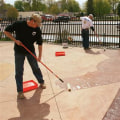
- Sealants: Applying a high-quality sealant can protect your concrete from moisture, chemicals, and abrasion caused by heavy equipment. Sealants create a protective layer that enhances durability and reduces the risk of cracking.
- Reinforcement Techniques: Consider using reinforced concrete techniques, such as adding steel rebar or wire mesh during the pouring process. This reinforcement increases the tensile strength of the concrete, making it more resistant to heavy loads.
- Weight Distribution: When heavy vehicles must operate on concrete surfaces, using weight distribution mats can help spread the load evenly. This reduces localized stress on the concrete, minimizing the risk of damage.
- Regular Maintenance: Implementing a routine maintenance schedule that includes inspections, cleaning, and timely repairs can significantly extend the life of your concrete surface.
Addressing minor issues before they escalate is key to long-term protection.
Choosing the Right Concrete Services for Protection
When it comes to protecting your concrete surfaces from heavy vehicles or equipment, choosing the right concrete services is crucial. Not all contractors are created equal, and understanding what to look for can make a significant difference in the longevity and durability of your concrete.Key Considerations When Hiring Concrete Professionals:
- Experience and Expertise: Look for contractors who specialize in concrete services for heavy-duty applications. Their experience with similar projects will ensure they understand the specific requirements for protecting your surfaces.
- Quality of Materials: Inquire about the types of materials they use. High-quality sealants and additives can enhance the strength and resilience of your concrete against heavy loads.
- Reputation: Research online reviews and ask for references.
A reputable contractor will have positive feedback from previous clients, indicating their reliability and quality of work.
- Licensing and Insurance: Ensure that the contractor is licensed and insured. This protects you from liability in case of accidents during the project.
Questions to Ask Potential Contractors:
- What specific concrete services do you offer for protecting surfaces from heavy vehicles?
- Can you provide examples of past projects similar to mine?
- What warranties or guarantees do you offer on your work?
- How do you handle unexpected issues that may arise during the project?
Frequently Asked Questions About Concrete Protection
When it comes to protecting your concrete surfaces from heavy vehicles or equipment, several common questions arise. Here are some frequently asked questions that can help clarify your concerns:- Do I need to protect my concrete surface from heavy vehicles? Yes, protecting your concrete surface is essential, especially if it will be subjected to heavy loads.
Without proper protection, the concrete can crack, spall, or become uneven over time.
- What are the best methods for protecting concrete? There are several effective methods for protecting concrete surfaces:
- Use of Reinforcement: Incorporating steel rebar or wire mesh during the pouring process can significantly enhance the strength of the concrete.
- Sealants: Applying a high-quality sealant can help prevent moisture penetration and reduce wear from heavy traffic.
- Weight Distribution: Utilizing mats or pads can help distribute the weight of heavy vehicles more evenly across the surface.
- How often should I maintain my concrete surface? Regular maintenance is crucial. Inspect your concrete surfaces at least twice a year and perform necessary repairs promptly to avoid larger issues.
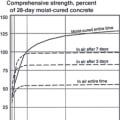
- Can I use heavy equipment on new concrete? It is advisable to wait at least 28 days after pouring new concrete before allowing heavy equipment on it. This waiting period allows the concrete to cure properly and reach its full strength.
Conclusion: The Importance of Protecting Your Concrete Surface
In conclusion, protecting your concrete surface from heavy vehicles and equipment is not just a matter of aesthetics; it is essential for maintaining the integrity and longevity of your investment.Concrete surfaces are designed to withstand a certain amount of weight, but excessive pressure from heavy machinery can lead to cracks, spalling, and other forms of damage that can be costly to repair.By implementing protective measures, you can significantly extend the lifespan of your concrete. Here are some key points to consider:
- Regular Maintenance: Routine inspections and maintenance can help identify potential issues before they escalate. This includes sealing cracks and applying protective coatings.
- Weight Distribution: Using mats or pads under heavy equipment can help distribute weight more evenly, reducing the risk of localized damage.
- Proper Planning: When designing your concrete surface, consider its intended use. If heavy vehicles will frequently traverse the area, consult with concrete services professionals to ensure the mix and thickness are appropriate for such loads.
Not only does it save you money on repairs, but it also enhances safety and functionality. If you have heavy vehicles or equipment operating on your concrete surfaces, now is the time to take action. Consult with experienced concrete services providers to explore the best options for protecting your investment.