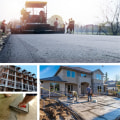
When embarking on a concrete project in Delray Beach FL, understanding the When embarking on a concrete project in Delray Beach FL, understanding the factors influencing the duration is essential for effective planning and execution. Various elements can significantly impact how long it takes to complete a project, ranging from the size and complexity of the job to external conditions like weather. For instance, larger projects typically require more time due to the increased volume of materials and labor involved. Similarly, intricate designs or specialized finishes can extend the timeline as they often necessitate additional steps in the pouring and curing processes. Another critical aspect to consider is site preparation.
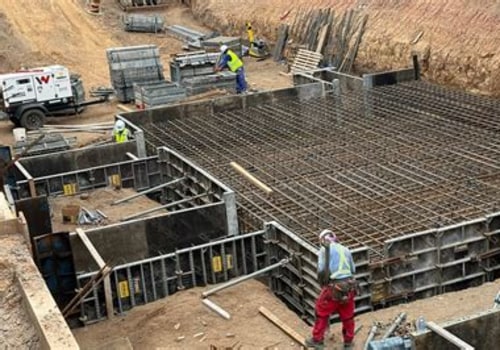
Before any concrete can be poured, the site must be adequately prepared, which may involve excavation, grading, and ensuring proper drainage. These preliminary tasks can vary greatly in duration depending on the existing site conditions. Additionally, unforeseen challenges such as rocky soil or underground utilities can further delay progress. Weather conditions also play a pivotal role in determining the duration of concrete services. Extreme temperatures, whether hot or cold, can affect the curing process of concrete, leading to potential delays.
Rain or snow can halt work entirely, making it crucial to monitor forecasts and plan accordingly. By understanding these factors, stakeholders can set more realistic timelines and expectations for their concrete projects, ultimately leading to smoother execution and satisfaction with the final results.
The Importance of Planning and Preparation in Concrete Projects
When embarking on a concrete project, planning and preparation are crucial steps that can significantly influence the overall timeline and success of the endeavor. Proper planning not only helps in estimating the duration of the project but also ensures that all necessary resources are available when needed.Planning concrete projects
involves several key components:- Site Assessment: Evaluating the site conditions, including soil type, drainage, and accessibility, is essential. This assessment helps in determining the appropriate concrete mix and any additional preparations required.
- Design and Specifications: Clearly defining the project’s design and specifications allows for accurate material calculations and helps avoid costly changes during construction.
- Scheduling: Creating a detailed timeline that includes all phases of the project—from excavation to curing—ensures that each step is completed efficiently.
This includes:
- Site Preparation: Clearing the site of debris, leveling the ground, and ensuring proper drainage can prevent delays caused by unforeseen issues.
- Material Procurement: Securing high-quality materials ahead of time prevents interruptions in the workflow due to shortages or delays in delivery.
- Equipment Readiness: Ensuring that all necessary equipment is available and in good working condition can streamline the pouring and finishing processes.
Common Delays in Concrete Projects and How to Avoid Them
Delays in concrete projects can significantly impact timelines and budgets.Understanding the common issues that lead to these delays is crucial for successful project management. Here are some of the most frequent culprits:
- Weather Conditions: Rain, snow, and extreme temperatures can hinder the curing process of concrete. For instance, pouring concrete during heavy rain can lead to washout, while freezing temperatures can cause cracking.
- Supply Chain Issues: Delays in obtaining materials such as cement, aggregates, or reinforcement bars can stall progress. This is often exacerbated by global supply chain disruptions.
- Site Preparation Problems: Inadequate site preparation, including poor drainage or unlevel ground, can lead to complications that delay the pouring of concrete.
- Labor Shortages: A lack of skilled labor can slow down the project.
If workers are unavailable or inexperienced, it can lead to mistakes that require rework.
- Plan for Weather: Monitor weather forecasts closely and schedule pours during favorable conditions. Have contingency plans in place for unexpected weather changes.
- Secure Materials Early: Order materials well in advance and establish relationships with reliable suppliers to ensure timely delivery.
- Thorough Site Assessment: Conduct a comprehensive site assessment before starting work to identify potential issues that could cause delays.
- Invest in Training: Ensure that your workforce is well-trained and experienced in handling concrete work to minimize errors and rework.
Frequently Asked Questions About Concrete Project Timelines
When planning a concrete project, many clients have questions about how long it will take to complete. Understanding the factors that influence the duration of concrete services can help set realistic expectations.What factors affect the timeline of a concrete project?
- Project Size: Larger projects, such as commercial slabs or extensive driveways, typically require more time than smaller residential jobs.
- Weather Conditions: Rain, extreme heat, or cold can delay the curing process and overall project timeline.
- Site Preparation: The amount of preparation needed, including excavation and grading, can significantly impact how long the project takes.
- Concrete Type: Different types of concrete (e.g., decorative, reinforced) may have varying curing times and application methods.
- Labor Availability: The number of skilled workers available can affect how quickly the project progresses.
How long does it typically take to complete a concrete project?
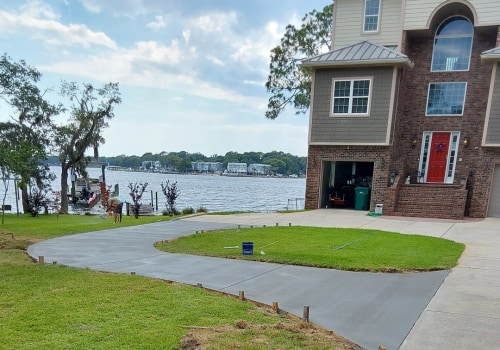
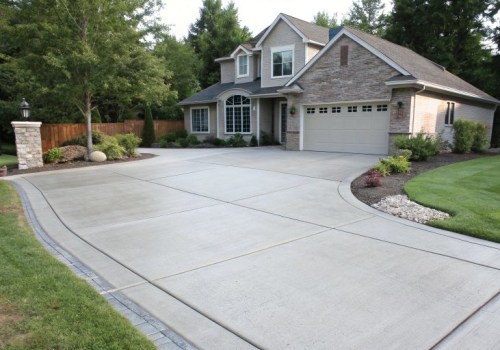
The duration of a concrete project can vary widely based on the factors mentioned above. However, here are some general timelines for common projects:- Driveways: 1 to 3 days for installation, with an additional 7 days for curing before use.
- Patios: 2 to 5 days depending on size and complexity, plus curing time.
- Foundations: 1 to 2 weeks for pouring and curing, depending on depth and size.
Always consult with your concrete services provider for a more accurate estimate tailored to your specific project needs.
Conclusion: Setting Realistic Expectations for Your Concrete Project
In conclusion, understanding the timeline for your concrete project is crucial for effective planning and execution. As we have discussed, several factors can influence the duration of concrete services, including the scope of the project, weather conditions, and the complexity of the design. To set realistic expectations, consider the following key points:- Project Scope: Larger projects typically require more time. For instance, a simple driveway may take a few days, while a large commercial slab could extend to several weeks.
- Weather Conditions: Concrete work is highly sensitive to weather. Rain or extreme temperatures can delay curing times and overall progress.
- Preparation and Curing: Proper preparation is essential.
The curing process can take anywhere from a few days to several weeks, depending on the type of concrete used and environmental factors.
- Labor Availability: The availability of skilled labor can also impact timelines. Ensure you hire reputable concrete services that can allocate sufficient resources to your project.