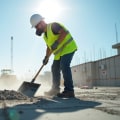
When considering concrete services for your property, understanding the associated permit requirements is crucial. Whether you are planning to install a new driveway, build a patio, or create a foundation for an extension, knowing if you need a permit can save you time, money, and potential legal issues. Many homeowners underestimate the importance of permits, thinking that small projects might not require them. However, even seemingly minor concrete work can fall under local regulations that necessitate obtaining a permit. Permits for concrete work are often required to ensure that the project complies with local building codes and safety standards.
These regulations are in place to protect not only the integrity of your property but also the safety of those who will use the space. Failing to secure the necessary permits can lead to fines, forced removal of the work done, or complications when selling your home in the future. Before embarking on any concrete project, it is advisable to check with your local building department or municipality. They can provide specific information regarding property improvement permits, including what types of projects require approval and the process for obtaining these permits. By doing your due diligence upfront, you can ensure that your concrete services are completed smoothly and legally, allowing you to enjoy your improvements without worry.
What Are Concrete Services?
Concrete services encompass a wide range of tasks related to the installation, maintenance, and enhancement of concrete structures.Understanding these services is crucial for homeowners and property managers, especially when considering whether a permit is necessary for specific projects.
Types of Concrete Services
- Concrete Installation: This includes the pouring and setting of concrete for various applications such as driveways, sidewalks, patios, and foundations. Proper installation is essential for durability and longevity.
- Concrete Repair: Over time, concrete can crack or become damaged due to weather conditions or heavy use. Repair services may involve patching cracks, resurfacing, or even complete replacement of sections.
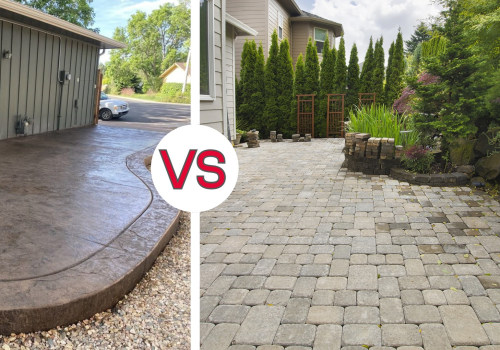
- Decorative Concrete: This service enhances the aesthetic appeal of concrete surfaces through techniques like stamping, staining, or polishing. Decorative options can transform ordinary concrete into beautiful features that complement your property.
For instance, large-scale installations or repairs that alter the structure of your property often necessitate a permit to ensure compliance with local building codes. On the other hand, minor repairs or decorative enhancements might not require one.Before starting any project involving concrete services, it’s advisable to check with your local building authority. They can provide guidance on what types of projects require permits and help you avoid potential fines or complications down the line.
Why Permits Are Necessary for Concrete Work
When considering concrete services for your property, understanding the necessity of permits is crucial. Obtaining the appropriate permits is not just a bureaucratic hurdle; it serves several important purposes that protect both the property owner and the community.Legal Compliance
- Many local governments require permits for construction projects, including those involving concrete work.
This ensures that all work complies with local building codes and zoning laws.
- Failure to obtain the necessary permits can lead to legal repercussions, including fines and the potential requirement to remove or redo the work.
Safety Considerations
- Permits often require inspections at various stages of the project. These inspections help ensure that the work is done safely and meets structural integrity standards.
- Concrete work, if not performed correctly, can lead to hazardous conditions, such as cracks or collapses, which can endanger lives and property.
Community Standards
- Permits help maintain community standards by ensuring that all construction adheres to established guidelines. This is particularly important in residential areas where aesthetic and structural uniformity is valued.
- By following permit regulations, you contribute to the overall safety and appearance of your neighborhood.
Insurance Implications
- Many insurance policies require that all construction work be permitted. If an unpermitted project leads to damage or injury, your insurance may not cover the costs.
- This could result in significant out-of-pocket expenses for repairs or legal issues arising from accidents related to unpermitted work.
Before starting any concrete project, it’s wise to check with your local authorities to understand the specific requirements in your area.
When Do You Need a Permit for Concrete Services?
Understanding when you need a permit for concrete services is crucial for any homeowner planning a project. While regulations can vary by location, there are common scenarios where obtaining a permit is typically required.Common Scenarios Requiring a Permit
- Large-scale installations: If you are planning to pour a large concrete slab, such as for a driveway or patio, a permit is often necessary. This ensures that the installation meets local building codes and safety standards.
- Structural changes: Any project that alters the structural integrity of your property, such as adding a concrete foundation for an extension or modifying load-bearing walls, will likely require a permit.
- Retaining walls: Building retaining walls that exceed a certain height (usually around 4 feet) typically necessitates a permit due to potential drainage and stability issues.
- Sidewalks and curbs: If your project involves public sidewalks or curbs, you may need to secure permits from local authorities to ensure compliance with municipal regulations.
Failing to obtain the necessary permits can lead to fines, required removal of work, or complications when selling your home in the future.In summary, always consider the scope and impact of your concrete project. When in doubt, it’s better to err on the side of caution and consult with professionals or local authorities to ensure compliance with all regulations.
How to Determine Permit Requirements in Your Area
Determining whether you need a permit for concrete services on your property can be a straightforward process if you know where to look. Here are some steps to help you check the permit requirements in your area:1.Research Local Building Codes
Local building codes vary significantly from one municipality to another. These codes dictate what types of construction projects require permits, including those involving concrete services.Start by visiting your city or county's official website, where you can often find a section dedicated to building and construction regulations.
2.Contact Local Authorities
If online resources do not provide clear answers, consider reaching out directly to your local building department. You can:- Call or visit the office in person to ask about specific requirements for concrete services.
- Inquire about any recent changes in regulations that may affect your project.
- Ask about the types of permits available and the application process.
3.Utilize Online Resources
Many local governments offer online portals where you can check permit requirements and even apply for permits digitally. Look for:- Permit applications: Downloadable forms that outline what is needed for your project.
- FAQs: Frequently asked questions sections that may address common concerns regarding concrete services.
- Contact information: Email addresses or phone numbers for further inquiries.
Common Misconceptions About Permits for Concrete Services
When it comes to concrete services, many homeowners harbor misconceptions about the need for permits.Understanding these myths is crucial for making informed decisions regarding your property.
- Myth 1: All concrete work requires a permit. While many large-scale projects, such as pouring a new foundation or constructing a driveway, typically require permits, smaller jobs like repairing existing concrete may not. It's essential to check local regulations to determine what applies to your specific situation.
- Myth 2: Permits are only necessary for new constructions. This is not true. Even minor renovations or alterations involving concrete services, such as adding a patio or walkway, can necessitate a permit. Local building codes often dictate these requirements.
- Myth 3: Obtaining a permit is too complicated. While the process can seem daunting, many municipalities offer clear guidelines and resources to help homeowners navigate the permitting process.
In some cases, hiring a professional contractor can simplify this task, as they are familiar with local regulations.
- Myth 4: Permits are just an unnecessary expense. Although obtaining a permit may involve fees, it serves to ensure that the work meets safety standards and complies with zoning laws. Skipping this step can lead to costly fines or the need for expensive rework if the project is deemed non-compliant.
Consequences of Not Obtaining a Permit for Concrete Work
When considering concrete services for your property, it is crucial to understand the consequences of not obtaining a permit. Failing to secure the necessary permits can lead to a variety of risks and penalties that may complicate your project and financial situation.Risks of Working Without a Permit
One of the primary risks associated with performing concrete work without a permit is the potential for structural issues.If the work does not meet local building codes, it could compromise the integrity of your property. This can lead to safety hazards, which may endanger residents and visitors alike.
Penalties for No Permit
Local governments often impose strict penalties for conducting construction without the required permits. These penalties can include:- Fines: Homeowners may face hefty fines that can range from hundreds to thousands of dollars.
- Stop Work Orders: Authorities may issue a stop work order, halting all construction until proper permits are obtained.
- Legal Action: In severe cases, legal action may be taken against the property owner, leading to further complications.
Legal Issues with Concrete Services
Engaging in concrete services without a permit can also result in long-term legal issues. If a dispute arises regarding the quality or safety of the work performed, you may find yourself in a difficult position without legal protection.Additionally, if you plan to sell your property in the future, unpermitted work can complicate the sale process, as potential buyers may be wary of purchasing a home with unresolved legal issues.In summary, while it may seem tempting to skip the permitting process for concrete services, the risks and penalties associated with doing so far outweigh any perceived benefits. Ensuring compliance not only protects your investment but also contributes to the safety and integrity of your property.
FAQs About Permits for Concrete Services
When considering concrete services for your property, understanding the permit requirements is crucial. Here are some frequently asked questions that can help clarify the process:Do I need a permit for all concrete work?
Not all concrete projects require a permit. Generally, small-scale projects like sidewalks or patios may not need one, while larger installations such as driveways or foundations typically do.It's essential to check with your local building department for specific regulations.
What types of concrete services usually require a permit?
- Foundations: Any new construction or significant alterations to existing foundations usually require a permit.
- Driveways: Expanding or installing a new driveway often necessitates a permit due to zoning laws.
- Retaining walls: If the wall exceeds a certain height, a permit may be required to ensure safety and compliance.
How do I find out if I need a permit?
The best way to determine if you need a permit for your concrete services is to contact your local building authority. They can provide guidance based on your specific project and location.What happens if I don’t get a permit?
Failing to obtain the necessary permits can lead to fines, mandatory removal of the work, and complications when selling your property. It’s always better to be safe and ensure compliance with local regulations.Can my contractor help with the permitting process?
Yes, many professional contractors are familiar with local permitting processes and can assist you in obtaining the necessary permits for your concrete services. This can save you time and ensure that all work is compliant with local codes.In summary, understanding the permitting requirements for concrete services is essential for any property owner.Always consult with local authorities or professionals to ensure your project proceeds smoothly and legally.
Conclusion: Navigating Permits for Your Concrete Projects
In conclusion, understanding the permit requirements for your concrete services is crucial for ensuring a smooth and compliant project. As we have discussed, the necessity of obtaining a permit can vary significantly based on several factors, including your location, the scope of the work, and local regulations.Before you begin any concrete project, consider the following key points:- Local Regulations: Always check with your local building department to understand specific requirements in your area. Some municipalities have strict guidelines regarding concrete work.
- Project Scope: Larger projects, such as driveways or foundations, are more likely to require permits compared to smaller tasks like decorative concrete overlays.
- Professional Assistance: Hiring a licensed contractor can help navigate the permitting process. They often have experience dealing with local authorities and can ensure compliance with all regulations.
- Potential Consequences: Failing to obtain the necessary permits can lead to fines, project delays, or even having to remove non-compliant work.
By being proactive about these requirements, you can avoid potential headaches down the line and ensure that your project is completed successfully and within legal boundaries.