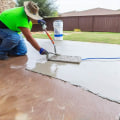
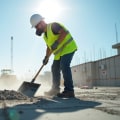
Understanding the concrete project timeline is crucial for anyone considering concrete services. Whether you are planning a small patio or a large commercial foundation, knowing the phases involved can help you manage expectations and ensure a smooth process. Each project is unique, but there are common stages that most concrete projects will follow, from initial planning to final curing. The timeline for a concrete project typically begins with the design and planning phase, where you collaborate with contractors to determine the scope, materials, and budget. This stage is vital as it sets the foundation for the entire project.
Once plans are finalized, the next step involves site preparation, which includes clearing the area and ensuring proper drainage. This phase can vary significantly in duration depending on site conditions. After site preparation, the actual pouring of concrete takes place. This is often the most exciting part of the project, as it marks a visible transformation. However, it’s essential to understand that this is just one part of a larger timeline.
Following the pour, there are additional steps such as finishing, curing, and sealing that require careful attention to detail. Each of these stages contributes to the overall durability and appearance of your concrete work. In summary, grasping the construction timeline for concrete services not only helps in planning but also in anticipating potential delays and challenges. By familiarizing yourself with each phase, you can better communicate with your contractors and ensure that your project stays on track.
Initial Planning and Consultation
When embarking on a concrete project, the initial planning and consultation stages are crucial for setting the foundation of a successful outcome. This phase typically begins with a meeting between the client and the contractor, where the client's vision and requirements are discussed in detail.Consultation Process
- Understanding Client Needs: The contractor will ask questions to grasp the specific needs of the project, including dimensions, design preferences, and intended use of the concrete.
- Site Assessment: A thorough evaluation of the site is conducted to identify any potential challenges, such as soil conditions or accessibility issues that could affect the project timeline.
- Budget Discussion: Establishing a budget early on helps in selecting appropriate materials and methods, ensuring that the project remains financially viable.
- Timeline Estimation: Based on the initial discussions and site assessment, contractors can provide a preliminary timeline for the project, which is essential for planning subsequent phases.
This documentation serves as a roadmap for the project and is critical for obtaining necessary permits. The time spent in this stage can significantly influence the overall timeline of the concrete services project.Once all details are finalized, including design and budget approvals, contractors can move forward with scheduling. Delays in this phase can lead to extended timelines, so it’s important for clients to be responsive and clear about their decisions.In summary, investing time in thorough planning and consultation not only clarifies expectations but also streamlines the entire process, ultimately leading to a more efficient execution of concrete services.
Site Preparation and Assessment
When embarking on a concrete project, site preparation and assessment are critical steps that lay the foundation for a successful outcome. This phase involves evaluating the site conditions, determining the necessary preparations, and ensuring that all factors are considered before any concrete is poured.Site assessment
typically begins with a thorough inspection of the area where the concrete will be installed.This includes checking for soil stability, drainage issues, and any existing structures that may affect the project. Depending on the complexity of the site, this assessment can take anywhere from a few hours to several days.Once the assessment is complete, the next step is site preparation. This process may involve:
- Clearing debris and vegetation
- Excavating to the required depth
- Compacting the soil to ensure a stable base
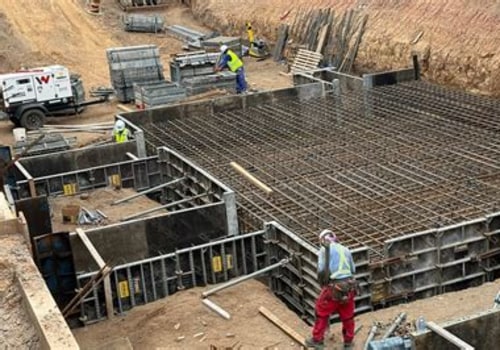
- Installing forms to shape the concrete
- Setting up any necessary drainage systems
It’s essential to allow adequate time for this stage, as rushing through it can lead to problems down the line, such as cracking or uneven surfaces.In summary, investing time in thorough site preparation and assessment is crucial when utilizing concrete services. Not only does it help in achieving a high-quality finish, but it also sets realistic expectations for the overall timeline of your concrete project.
Concrete Pouring Process
The concrete pouring process is a critical phase in any construction project, and understanding the timeline can help ensure that everything runs smoothly. Typically, the actual pouring of concrete can take anywhere from a few hours to a full day, depending on several factors.Factors Affecting the Concrete Pouring Timeline:
- Project Size: Larger projects require more time for preparation and pouring. For instance, a small patio may take just a few hours, while a large foundation could take an entire day or more.
- Weather Conditions: Weather plays a significant role in the pouring process.
Ideal conditions are dry and mild temperatures. Rain or extreme heat can delay the process or affect the curing time of the concrete.
- Preparation Work: Before pouring, extensive preparation is needed, including site grading, formwork installation, and reinforcement placement. This preparatory work can add days to the overall timeline.
- Concrete Mix: The type of concrete mix used can also influence the pouring process. Some mixes set faster than others, which can either speed up or slow down the timeline.
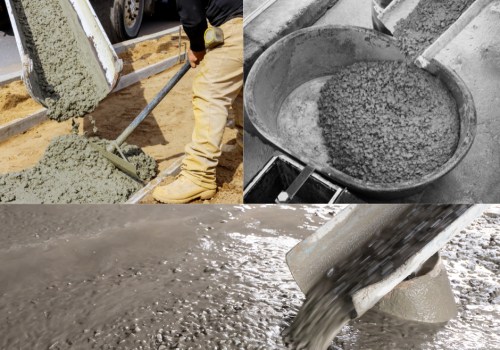
The concrete is typically delivered by truck and poured into forms that have been set up to shape the final structure. It’s essential to work quickly during this phase to ensure that the concrete is leveled and finished before it begins to set.After pouring, the concrete must be cured properly to achieve its full strength. Curing times can vary but generally last from 7 to 28 days, depending on environmental conditions and the specific requirements of the project.In summary, while the concrete pouring timeline may seem straightforward, various factors can influence how long it takes from start to finish. Engaging professional concrete services can help streamline this process and ensure that your project stays on track.
Curing and Setting Time
The curing and setting time of concrete is a critical phase in any concrete project, significantly impacting the overall timeline and quality of the finished product.Understanding this phase is essential for anyone considering concrete services.Once the concrete is poured, it begins to set, which typically occurs within a few hours. However, the complete curing process can take much longer, often up to 28 days, depending on various factors such as temperature, humidity, and the specific mix used.
Setting Time for Concrete
The initial setting time for concrete usually ranges from 1 to 4 hours. During this period, the concrete transitions from a liquid to a solid state. It’s crucial to avoid any disturbances during this time to ensure proper bonding and strength development.Curing Concrete Time
Curing is the process of maintaining adequate moisture, temperature, and time to allow the concrete to achieve its desired strength and durability.The curing period can vary based on environmental conditions:
- Temperature: Higher temperatures can accelerate setting but may require longer curing times to prevent cracking.
- Humidity: Low humidity can lead to rapid evaporation of moisture, necessitating additional curing measures.
- Concrete Mix: Different mixes have varying curing requirements; for instance, high-performance concrete may need extended curing times.
Finishing Touches and Inspections
As a concrete project nears completion, the finishing touches and inspections play a crucial role in ensuring the quality and durability of the work. These final steps not only enhance the aesthetic appeal of the concrete but also confirm that it meets all necessary standards and regulations.Finishing Concrete Work
The finishing process involves several key activities:- Smoothing and Leveling: After the concrete has been poured and set, it is essential to smooth and level the surface.
This can be achieved using tools such as trowels or floats, which help eliminate imperfections.
- Texturing: Depending on the desired look, texturing may be applied to provide grip or enhance visual appeal. Techniques such as brooming or stamping can create unique patterns.
- Curing: Proper curing is vital for achieving maximum strength. This process involves maintaining adequate moisture levels in the concrete for a specified period, typically through methods like covering with wet burlap or applying curing compounds.
Inspections for Concrete Projects
Once the finishing touches are complete, thorough inspections are necessary to ensure compliance with local building codes and project specifications. Key aspects of inspections include:- Structural Integrity: Inspectors will assess whether the concrete has been poured correctly and if it meets load-bearing requirements.
- Surface Quality: The finish will be evaluated for smoothness, texture, and any visible defects that could affect performance or aesthetics.
- Curing Process: Verification that proper curing methods were employed is essential to prevent cracking and ensure longevity.
Engaging professional concrete services ensures that both finishing touches and inspections are conducted meticulously, leading to a durable and visually appealing outcome.
Common Delays in Concrete Projects
When embarking on a concrete project, understanding the potential for delays is crucial for effective project management. Various factors can contribute to these delays, impacting both the timeline and budget of your concrete services.- Weather Conditions: Adverse weather, such as heavy rain or extreme temperatures, can significantly delay concrete pouring and curing. It's essential to monitor forecasts and plan accordingly.
- Site Preparation Issues: Inadequate site preparation, including poor drainage or unexpected soil conditions, can lead to delays. Conducting thorough site assessments before starting the project can help mitigate these issues.
- Material Availability: Delays in the delivery of essential materials, such as concrete mix or reinforcement bars, can halt progress.
Establishing reliable supplier relationships and ordering materials well in advance can alleviate this risk.
- Labor Shortages: A shortage of skilled labor can slow down the project. Ensuring that your contractor has a solid workforce and contingency plans in place is vital for maintaining momentum.
- Design Changes: Modifications to the original design during construction can lead to significant delays. To avoid this, ensure that all stakeholders agree on the final design before work begins.
- Establish a Realistic Timeline: Work with your contractor to create a timeline that accounts for possible delays while still aiming for efficiency.
- Regular Communication: Maintain open lines of communication with your contractor and suppliers to stay informed about any potential issues that may arise.
- Contingency Planning: Prepare for unexpected challenges by having contingency plans in place, including alternative suppliers or additional labor resources.
Frequently Asked Questions about Concrete Project Timelines
When considering concrete services, many clients have questions about the timeline for their projects. Here are some of the most frequently asked questions regarding concrete project durations:How long does a typical concrete project take?
The duration of a concrete project can vary significantly based on several factors, including the size and complexity of the job.Generally, small projects like sidewalks or patios may take just a few days, while larger projects such as driveways or foundations can take a week or more. It's essential to consult with your concrete services provider for a more accurate estimate.
What factors influence the timeline of a concrete project?
- Project Size: Larger projects naturally require more time to complete.
- Weather Conditions: Rain, extreme heat, or cold can delay the curing process.
- Site Preparation: The amount of preparation needed before pouring concrete can affect timelines.
- Type of Concrete: Specialty mixes may require additional time for curing.
Can I speed up the process?
While some aspects of a concrete project are fixed, there are ways to potentially expedite the process:- Choose the Right Season: Scheduling your project during favorable weather conditions can help avoid delays.
- Clear Communication: Ensure that all parties involved are on the same page regarding timelines and expectations.
- Pre-Planning: Having all necessary permits and designs ready before starting can save valuable time.
What should I expect after the concrete is poured?
After pouring, it typically takes about 24 to 48 hours for the concrete to set enough for light foot traffic. However, full curing can take up to 28 days. During this time, it's crucial to follow any care instructions provided by your concrete services provider to ensure optimal strength and durability.If you have further questions about your specific project timeline, don't hesitate to reach out to your local concrete services.They can provide tailored advice based on your unique needs and circumstances.
Conclusion: Key Takeaways on Concrete Project Timelines
Understanding the timeline of a concrete project is crucial for both homeowners and contractors. Each phase, from planning to execution, plays a significant role in ensuring the project is completed efficiently and effectively.Key Phases of a Concrete Project
- Planning and Design: This initial phase involves assessing the site, determining the project scope, and finalizing designs. It can take anywhere from a few days to several weeks, depending on the complexity of the project.
- Permitting: Securing necessary permits is essential and can vary widely based on local regulations. This phase may take a few days to several months.
- Site Preparation: Clearing the site, grading, and setting forms typically require 1-2 weeks.
Proper preparation is vital for the longevity of the concrete.
- Pouring Concrete: The actual pouring process usually takes a day or two, but curing time is critical. Concrete generally needs at least 28 days to cure fully, although it can be used for light traffic after about a week.
- Finishing Touches: After curing, additional work such as sealing or decorative finishes may take another week or so.