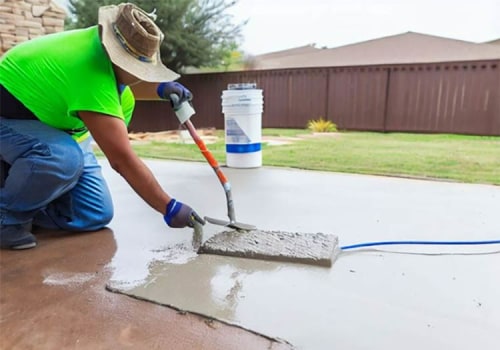
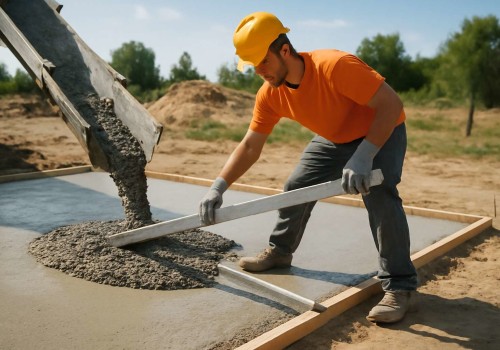
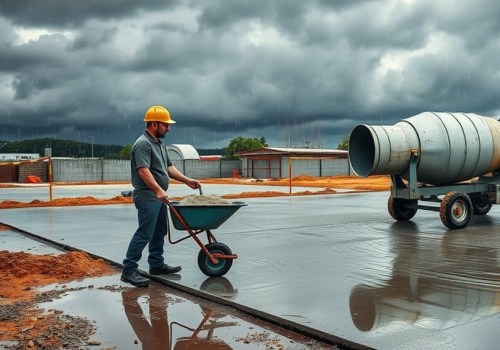
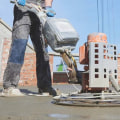
When it comes to construction and infrastructure, traditional concrete services have long been the go-to solution for a variety of applications. From residential driveways to large-scale commercial projects, concrete is favored for its durability, strength, and versatility. This material can be molded into various shapes and finishes, making it suitable for everything from foundations and walls to decorative elements like patios and walkways. However, while traditional concrete offers numerous benefits, it also comes with certain limitations that can impact project timelines, costs, and environmental considerations. One of the primary challenges associated with concrete services is the lengthy curing time required for traditional concrete mixes.
This can delay project completion and increase labor costs. Additionally, the environmental impact of concrete production is significant; the process contributes to greenhouse gas emissions and requires substantial energy resources. As sustainability becomes a more pressing concern in construction, many are seeking alternatives that can provide similar benefits without the drawbacks associated with traditional concrete. Understanding the various types of concrete available is essential for making informed decisions about construction materials. Traditional options include standard concrete mixes, reinforced concrete, and decorative concrete.
Each type serves specific purposes and comes with its own set of advantages and disadvantages. As we explore alternatives to traditional concrete services, it’s crucial to consider not only the performance characteristics of these materials but also their environmental footprint and long-term viability.
The Need for Alternatives to Traditional Concrete Services
As the construction industry evolves, the need for alternatives to traditional concrete services has become increasingly apparent. Several factors contribute to this shift, primarily driven by environmental concerns, cost-effectiveness, and the quest for innovative building materials.Why Consider Alternatives to Concrete?
- Environmental Impact: Traditional concrete production is a significant source of carbon emissions, contributing to climate change. The extraction of raw materials and the energy-intensive manufacturing process further exacerbate this issue.
- Resource Depletion: The demand for sand and gravel, essential components of concrete, has led to unsustainable mining practices that harm ecosystems.
- Cost Considerations: With rising material costs and labor expenses, many builders are exploring alternatives that can offer similar durability at a lower price point.
Benefits of Alternative Materials
- Sustainability: Materials such as recycled aggregates, bamboo, and rammed earth are not only eco-friendly but also promote sustainable building practices.
- Energy Efficiency: Alternatives often require less energy to produce and can enhance the energy efficiency of buildings, reducing long-term operational costs.
- Aesthetic Versatility: Many alternative materials offer unique aesthetic qualities that can enhance the visual appeal of structures, allowing for more creative designs.
By considering these alternatives, stakeholders can contribute to a more sustainable future while also achieving cost savings and innovative design solutions.
Innovative Alternatives to Traditional Concrete Services
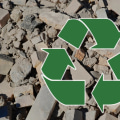
As the construction industry evolves, many are seeking innovative alternatives to traditional concrete services that not only meet structural needs but also prioritize sustainability. Here are some noteworthy options:- Recycled Concrete: This material is made from crushed concrete debris, which can significantly reduce waste and lower the carbon footprint associated with new concrete production. By reusing existing materials, recycled concrete offers a sustainable solution without compromising strength.
- Pervious Concrete: Designed to allow water to flow through its surface, pervious concrete helps manage stormwater runoff effectively. This eco-friendly option reduces the risk of flooding and promotes groundwater recharge, making it an excellent choice for environmentally conscious projects.
- Geopolymer Concrete: Utilizing industrial byproducts like fly ash or slag, geopolymer concrete is a low-carbon alternative that can outperform traditional concrete in terms of durability and resistance to heat.
Its production emits significantly less CO2, aligning with sustainable construction goals.
- Bamboo Reinforced Concrete: Combining bamboo with concrete enhances tensile strength while reducing the overall amount of concrete needed. Bamboo is a rapidly renewable resource, making this composite an attractive option for eco-friendly construction.
- Hempcrete: Made from hemp fibers and lime, hempcrete is a lightweight material that provides excellent insulation and is carbon-negative. While it cannot be used as a structural element on its own, it serves as an effective infill material in combination with traditional framing.
Comparing Costs: Traditional Concrete vs.
AlternativesWhen considering concrete services, understanding the cost implications is crucial for making informed decisions. Traditional concrete typically ranges from $100 to $150 per cubic yard, depending on factors such as location, labor, and specific project requirements. However, as construction needs evolve, many are exploring alternative materials that can offer significant savings.
Alternative materials
such as permeable pavers, recycled concrete aggregate, and geopolymer concrete are gaining traction. For instance, permeable pavers can cost between $10 to $30 per square foot, which may seem higher initially but can save money in the long run by reducing drainage costs and improving site sustainability.Another option is recycled concrete aggregate, which can be sourced for about $50 to $75 per cubic yard.This not only reduces material costs but also minimizes environmental impact, making it a budget-friendly choice for eco-conscious builders.
Cost Comparison:
- Traditional Concrete: $100 - $150 per cubic yard
- Permeable Pavers: $10 - $30 per square foot
- Recycled Concrete Aggregate: $50 - $75 per cubic yard
- Geopolymer Concrete: Approximately 10-20% less than traditional concrete
Durability and Performance: How Do Alternatives Stack Up?
When considering alternatives to traditional concrete services, one of the most critical factors is the durability of these materials. Traditional concrete is renowned for its strength and longevity, often lasting decades with minimal maintenance.However, several alternative materials have emerged that claim to offer comparable or even superior durability.
Durability of Concrete Alternatives
- Recycled Plastic: This material is gaining traction due to its resistance to moisture and chemicals, making it less prone to cracking and degradation over time.
- Geopolymer Concrete: Made from industrial byproducts, geopolymer concrete can withstand extreme temperatures and is less susceptible to corrosion, enhancing its lifespan.
- Fiber-Reinforced Concrete: By incorporating fibers into the mix, this alternative improves tensile strength and reduces the likelihood of cracking, thus extending its durability.
Performance Comparison of Construction Materials
In terms of performance, traditional concrete has been the gold standard for many years. However, alternatives are increasingly being tested in real-world applications:
- Strength: While traditional concrete typically has a compressive strength of around 4,000 psi, some alternatives like fiber-reinforced options can exceed this, providing enhanced load-bearing capabilities.
- Flexibility: Alternatives such as recycled plastic offer greater flexibility, which can be advantageous in areas prone to seismic activity.
- Environmental Impact: Many alternatives not only match the performance of traditional concrete but also reduce carbon footprints significantly, making them a more sustainable choice.
Longevity of Alternative Materials
The longevity of alternative materials is often a concern for builders and homeowners alike. While traditional concrete can last 30 years or more with proper care, some alternatives are designed to last just as long or longer:
- Composite Materials: These can offer lifespans exceeding 50 years due to their resistance to environmental factors.
- High-Performance Concrete (HPC): This variant is engineered for durability and can outperform standard concrete in harsh conditions.
Case Studies: Successful Use of Alternative Concrete Solutions
In recent years, several construction projects have successfully utilized alternative concrete solutions, showcasing their viability and effectiveness.These case studies highlight the potential of eco-friendly materials in real-world applications.
1.The Eden Project, UK
The Eden Project in Cornwall is a prime example of using alternative concrete services. The project features geodesic domes made from a unique blend of recycled materials and geopolymer concrete. This innovative approach not only reduced the carbon footprint but also provided a durable structure that withstands the elements. The use of these materials has inspired other projects to consider sustainable options.2.The Bullitt Center, Seattle
The Bullitt Center, often referred to as the greenest commercial building in the world, incorporates high-performance concrete made from recycled aggregates.This building demonstrates how alternative concrete can meet stringent sustainability standards while providing a robust foundation for urban development. The project has set a benchmark for future constructions aiming for LEED certification.
3.The Green Roof at the California Academy of Sciences
This project utilized permeable concrete, which allows rainwater to filter through and reduce runoff. By integrating this alternative into their design, the Academy not only enhanced its aesthetic appeal but also contributed to local biodiversity. The success of this project has encouraged other institutions to explore similar eco-friendly solutions.4.The High Line, New York City
The transformation of an old railway into a public park involved the use of recycled concrete aggregate.This method not only minimized waste but also provided a sustainable material for landscaping and pathways. The High Line serves as an inspiring example of how urban spaces can be revitalized using alternative concrete solutions.These case studies illustrate that alternative concrete services are not just theoretical concepts; they are practical solutions that have been successfully implemented in various projects. As more builders and architects recognize the benefits of these materials, we can expect to see an increase in their adoption across the construction industry.
Frequently Asked Questions About Concrete Alternatives
As the construction industry evolves, many people are curious about alternatives to traditional concrete services. Here are some frequently asked questions that can help clarify common misconceptions and provide insights into eco-friendly construction materials.What are some popular alternatives to traditional concrete?
- Recycled Concrete Aggregate (RCA): This material is made from crushed concrete and can be used in new concrete mixes, reducing waste and conserving resources.
- Geopolymer Concrete: Made from industrial byproducts, this type of concrete has a lower carbon footprint compared to traditional Portland cement.
- Permeable Pavers: These allow water to pass through, reducing runoff and promoting groundwater recharge, making them an eco-friendly option for driveways and walkways.
- Hempcrete: A mixture of hemp fibers and lime, hempcrete is lightweight, insulating, and carbon-negative, making it a sustainable building material.
Are alternative materials as durable as traditional concrete?
Many alternative materials have been engineered to meet or exceed the durability of traditional concrete.For instance, geopolymer concrete is known for its strength and resistance to environmental factors. However, the specific application and environmental conditions should always be considered when choosing a material.
What are common misconceptions about eco-friendly construction?
- Misconception 1: Eco-friendly materials are always more expensive. While some alternatives may have higher upfront costs, they can lead to savings in energy efficiency and maintenance over time.
- Misconception 2: Alternative materials lack aesthetic appeal. Many modern alternatives can be designed to mimic the look of traditional concrete while offering additional benefits.
- Misconception 3: All eco-friendly options are untested.
A growing body of research supports the effectiveness and safety of many alternative materials.
Conclusion: The Future of Concrete Services in Construction
As we look towards the future of concrete services in construction, it is clear that the industry is at a pivotal crossroads. The increasing demand for sustainable building practices and innovative materials is reshaping how we think about traditional concrete.Throughout this article, we have explored various alternatives to conventional concrete, including:- Recycled Concrete Aggregate (RCA): Utilizing waste materials not only reduces landfill impact but also conserves natural resources.
- Geopolymer Concrete: This eco-friendly option uses industrial byproducts, significantly lowering carbon emissions associated with traditional concrete production.
- 3D-Printed Concrete: A revolutionary approach that allows for rapid construction and design flexibility, potentially reducing labor costs and material waste.
- Permeable Concrete: This alternative addresses stormwater management issues by allowing water to pass through, reducing runoff and promoting groundwater recharge.
As we move forward, it is essential for stakeholders to remain informed about emerging materials and techniques that can redefine our approach to construction.In conclusion, while traditional concrete has served us well for decades, the exploration of alternative materials presents exciting opportunities for a more sustainable future in construction. By integrating these innovations into our building practices, we can create structures that are not only durable but also environmentally responsible.