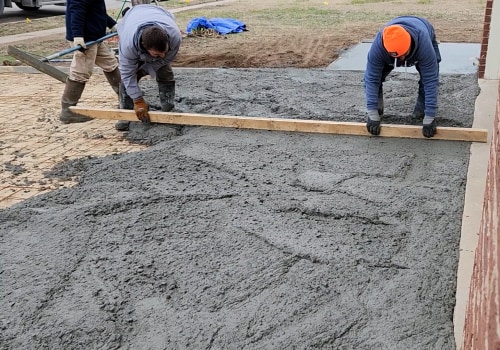
When considering concrete services, it's essential to understand the various types available and the benefits they offer, especially when it comes to heavy equipment transport services. Concrete is a versatile material used in numerous applications, from driveways and patios to foundations and decorative elements. Each type of service caters to specific needs, ensuring that your project not only meets aesthetic standards but also adheres to structural integrity. Common types of , it's essential to understand the various types available and the benefits they offer, especially when it comes to heavy equipment transport services. Concrete is a versatile material used in numerous applications, from driveways and patios to foundations and decorative elements. Each type of service caters to specific needs, ensuring that your project not only meets aesthetic standards but also adheres to structural integrity. Common types of concrete services include residential and commercial concrete pouring, decorative concrete finishes, stamped concrete, and concrete repair. Residential services often focus on enhancing curb appeal and functionality, while commercial services may prioritize durability and compliance with local regulations.
Decorative options like stamped or stained concrete can transform ordinary surfaces into stunning focal points, adding value to your property. The benefits of utilizing professional concrete services extend beyond mere aesthetics. High-quality concrete work can significantly improve the longevity of your surfaces, reduce maintenance costs, and enhance safety by providing a stable foundation. Moreover, skilled contractors bring expertise that ensures proper installation techniques are followed, minimizing the risk of future issues such as cracking or settling. Understanding these aspects will help you make informed decisions about your property’s concrete needs.
Why Preparation is Key Before Concrete Services
When it comes to concrete services, the importance of preparation cannot be overstated.Properly preparing your property before any concrete work begins is crucial for ensuring a successful and long-lasting result. Without adequate preparation, you may encounter a range of issues that can compromise the integrity of the concrete and lead to costly repairs down the line.
One of the primary reasons for preparation
is to create a stable foundation. Concrete requires a solid base to prevent cracking and shifting over time. If the ground is not properly compacted or if there are existing vegetation and debris, it can lead to uneven settling, which ultimately affects the durability of the concrete.Additionally, drainage is another critical factor that must be addressed before starting any concrete project.Poor drainage can result in water pooling on the surface, which can weaken the concrete and lead to erosion. Ensuring that your property has proper grading and drainage solutions in place will help mitigate these risks.
- Soil Testing: Conducting soil tests can reveal whether your soil is suitable for concrete work. This step helps identify any necessary treatments or reinforcements needed.
- Clearing the Area: Removing any existing structures, plants, or debris from the area where the concrete will be poured is essential for achieving a clean slate.
- Marking Boundaries: Clearly marking out the area where the concrete will be laid helps ensure accuracy in measurements and prevents future disputes over property lines.
Steps to Prepare Your Property for Concrete Services
Preparing your property for concrete services is crucial to ensure a successful installation.Here are the essential steps you should follow:
- Clear the Area: Remove any furniture, plants, or debris from the area where the concrete will be poured. This includes any existing pavement or landscaping that may obstruct the work.
- Check for Underground Utilities: Before any digging or heavy machinery is brought in, contact your local utility companies to mark the locations of underground lines. This will help prevent any accidental damage during the preparation process.
- Assess the Drainage: Proper drainage is vital for concrete longevity. Ensure that the area has adequate slope away from buildings and that there are no low spots where water can accumulate.
- Excavate if Necessary: Depending on your project, you may need to excavate the area to achieve the desired depth.
This is especially important for driveways or patios that require a solid base.
- Compact the Soil: After excavation, compact the soil to create a stable foundation for your concrete. This step helps prevent settling and cracking in the future.
- Add a Base Material: If required, lay down a base material such as gravel or crushed stone. This layer aids in drainage and provides additional support for the concrete.
- Set Up Forms: Install forms around the perimeter of the area where concrete will be poured. These forms help shape the concrete and keep it contained during curing.
Taking the time to prepare properly will not only enhance the quality of your concrete work but also extend its lifespan.
Common Mistakes to Avoid When Preparing for Concrete Services
When preparing for concrete services, avoiding common mistakes can significantly impact the quality and durability of your concrete installation. Here are some frequent errors property owners make and how to steer clear of them:- Neglecting Site Assessment: Failing to properly assess the site can lead to issues such as inadequate drainage or unstable soil. Always conduct a thorough evaluation of the area where the concrete will be poured.
- Ignoring Weather Conditions: Concrete should not be poured in extreme weather conditions. Pouring during heavy rain or extreme heat can compromise the integrity of the mix.
Check the weather forecast and plan accordingly.
- Inadequate Preparation of the Subgrade: A poorly prepared subgrade can result in cracks and uneven surfaces. Ensure that the ground is compacted and leveled before any concrete work begins.
- Overlooking Reinforcement Needs: Some projects may require reinforcement, such as rebar or wire mesh, to enhance strength. Failing to include these elements can lead to structural failures.
- Not Considering Expansion Joints: Expansion joints are crucial for allowing concrete to expand and contract with temperature changes. Skipping this step can lead to cracking.
This preparation not only enhances the aesthetic appeal but also extends the lifespan of your concrete installations.
FAQs About Preparing Your Property for Concrete Services
When considering concrete services, many property owners have questions about the necessary preparations. Here are some frequently asked questions that can help clarify the process:- What should I do to prepare my property for concrete services?
Before the concrete work begins, it’s essential to clear the area of any debris, vegetation, or existing structures. This includes removing rocks, old concrete, and any other obstacles that may interfere with the installation. - Do I need to level the ground before concrete is poured?
Yes, leveling the ground is crucial. Uneven surfaces can lead to cracks and drainage issues in the future.It’s advisable to hire professionals who can ensure proper grading and compaction.
- How far in advance should I prepare my property?
Preparation should ideally begin at least a few days before the scheduled concrete services. This allows time for any necessary excavation or grading work to be completed. - Will weather affect my preparation?
Yes, weather conditions can impact both preparation and pouring. It’s best to avoid heavy rain or extreme temperatures, as these can affect the curing process of the concrete. - Do I need to inform my neighbors about the concrete work?
While not always required, it’s courteous to inform your neighbors about upcoming concrete services, especially if heavy machinery will be used or if there will be noise disruptions.
Conclusion: Ensuring a Successful Concrete Service Experience
In conclusion, preparing your property before engaging in concrete services is not just a recommendation; it is a crucial step that can significantly impact the quality and longevity of your concrete work. Proper preparation ensures that the foundation for your concrete is solid, which in turn minimizes the risk of future issues such as cracking or uneven surfaces.Throughout this article, we have highlighted several key aspects of preparation:- Site Assessment: Evaluating the area where the concrete will be poured is essential.
This includes checking for any existing structures, drainage issues, and soil stability.
- Clearing the Area: Removing debris, vegetation, and any obstacles from the site allows for a clean workspace, which is vital for achieving optimal results.
- Leveling the Ground: Ensuring that the ground is level helps prevent water pooling and enhances the overall durability of the concrete.
- Planning for Drainage: Proper drainage solutions should be considered to protect your concrete from water damage over time.