When considering concrete services, understanding the associated pool costs is crucial for both homeowners and contractors alike. Concrete is a versatile material used in various applications, from driveways and patios to foundations and decorative elements. However, the pricing of these services can vary significantly based on a multitude of factors, much like how managed IT services can differ in pricing based on specific needs. This section aims to shed light on what influences the cost of concrete services, providing a foundation for informed decision-making. Several elements play a pivotal role in determining the final price of concrete work. When considering concrete services, understanding the associated pool costs is crucial for both homeowners and contractors alike. Concrete is a versatile material used in various applications, from driveways and patios to foundations and decorative elements. However, the pricing of these services can vary significantly based on a multitude of factors, much like how managed IT services can differ in pricing based on specific needs. This section aims to shed light on what influences the cost of concrete services, providing a foundation for informed decision-making. Several elements play a pivotal role in determining the final price of concrete work.
For instance, the type of concrete mix required, the complexity of the project, and the geographical location can all impact costs. Additionally, labor rates and the availability of skilled workers in your area can further influence pricing. Understanding these factors not only helps in budgeting but also aids in selecting the right contractor for your specific needs. As we delve deeper into this topic, we will explore each factor affecting concrete service pricing, offering insights that can help you navigate your next project with confidence. Whether you're planning a simple slab or an intricate decorative installation, being aware of these cost determinants will empower you to make better choices and achieve optimal results.
Types of Concrete Services
When considering concrete services, it’s essential to understand the various types available, as each can significantly influence the overall cost.The primary categories of concrete services include:
- Concrete Pouring: This is the foundational service where concrete is mixed and poured into forms. The cost can vary based on the volume of concrete needed, the complexity of the pour, and the type of concrete used.
- Concrete Finishing: After pouring, finishing involves smoothing and texturing the surface. Techniques such as stamping or staining can enhance aesthetics but may also increase costs.
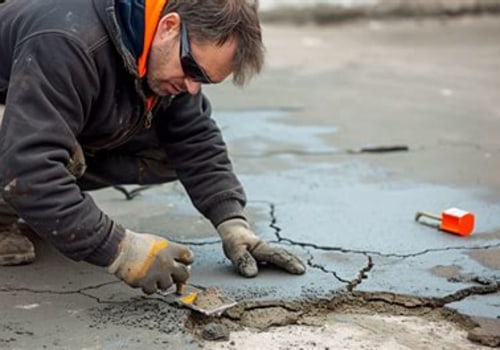
- Concrete Repair: This service addresses cracks, spalling, or other damage. The extent of the damage and the repair method chosen (e.g., patching vs.
resurfacing) will affect pricing.
- Concrete Installation: This includes setting up structures like driveways, patios, and foundations. The size and design complexity play a significant role in determining costs.
By evaluating your specific project requirements, you can make informed decisions that align with your financial expectations.
Material Quality and Availability
The quality of materials used in concrete services plays a significant role in determining the overall cost. Higher quality materials, such as premium aggregates and additives, can enhance the durability and strength of the concrete, but they also come at a higher price. For instance, using high-strength concrete or specialized mixes designed for specific environmental conditions can increase costs due to the more expensive components involved.Additionally, the availability of concrete materials can greatly influence pricing. In regions where certain aggregates or cement types are scarce, contractors may face increased transportation costs or may need to source materials from further away, which can drive up the final price of concrete services.Seasonal demand fluctuations can also affect availability; for example, during peak construction seasons, the demand for concrete may outstrip supply, leading to higher prices.When considering concrete pricing factors, it’s essential to evaluate both the quality and availability of materials. Here are some key points to consider:
- Local Supply: Proximity to suppliers can reduce transportation costs.
- Material Type: Specialty materials often come with a premium price tag.
- Market Demand: High demand can lead to increased prices due to limited availability.
- Seasonal Variations: Prices may fluctuate based on seasonal construction trends.
Labor Costs in Concrete Services
When it comes to concrete services, labor costs play a significant role in determining the overall price of a project. The complexity of the work, the skill level required, and the duration of the project all contribute to these costs.Labor costs for concrete work
can vary widely based on several factors:- Skill Level: Skilled labor is essential for high-quality concrete work.
Experienced contractors and workers bring expertise that can enhance the durability and aesthetics of the finished product. This expertise often comes at a premium, as skilled laborers command higher wages.
- Project Complexity: More intricate designs or larger projects require more labor hours and specialized skills, which can increase costs. For instance, decorative concrete finishes or complex structural elements necessitate a higher level of craftsmanship.
- Location: Labor rates for concrete contractors can differ significantly based on geographic location. Urban areas typically have higher labor costs due to increased demand and living expenses, while rural areas may offer more competitive rates.
- Market Demand: The availability of skilled labor in your area can also affect pricing.
During peak construction seasons, when demand for concrete services rises, labor costs may increase due to competition for skilled workers.
Project Size and Complexity
The size and complexity of a concrete project are two of the most significant factors that influence the overall cost of concrete services.Understanding how these elements interact can help homeowners and contractors alike make informed decisions when budgeting for their projects.
Impact of Project Size on Concrete Cost
Generally, larger projects tend to have a higher total cost due to the increased volume of materials and labor required. For instance, pouring a large concrete slab for a commercial building will naturally incur more expenses than a small patio installation. However, it’s essential to note that larger projects may benefit from economies of scale, potentially lowering the cost per square foot.- Large Projects: These often require specialized equipment and more extensive labor, which can drive up costs. Additionally, larger jobs may necessitate more complex logistics, such as site preparation and waste management.
- Small Projects: While they may seem less expensive at first glance, small jobs can sometimes have a higher cost per square foot due to the minimum charges that contractors impose for mobilization and setup.
Complexity of Concrete Projects
The complexity of a concrete project also plays a crucial role in determining its cost.Projects that involve intricate designs, multiple layers, or specialized finishes will typically require more skilled labor and time, leading to increased expenses.
- Standard vs. Custom Designs: A straightforward concrete slab is much less expensive than a decorative stamped concrete driveway or a foundation with unique architectural features.
- Site Conditions: If the site has challenging conditions—such as poor soil quality or limited access—this can complicate the project further and increase costs due to additional preparation work.
Location and Accessibility
The cost of concrete services can vary significantly based on geographical location and the accessibility of the project site. Understanding these factors is crucial for homeowners and contractors alike when budgeting for concrete work.Location Impact on Concrete Service Cost
Different regions have varying costs associated with concrete services.For instance, urban areas often experience higher prices due to increased demand and higher operational costs. In contrast, rural locations may offer more competitive pricing, but they can also face challenges such as limited availability of materials and skilled labor.
Accessibility Issues in Concrete Projects
Site accessibility plays a pivotal role in determining the overall cost of concrete projects. If a site is difficult to access due to narrow roads, steep inclines, or other obstacles, it may require specialized equipment or additional labor, which can drive up costs. For example:- Heavy Equipment Needs: Sites that are hard to reach may necessitate the use of cranes or other heavy machinery, increasing rental and operational expenses.
- Labor Costs: More challenging sites often require more time and effort from workers, leading to higher labor costs.
- Material Delivery: Delivering concrete to inaccessible locations can incur additional transportation fees.
Regional Pricing Differences for Concrete Services
Regional pricing differences can also be attributed to local market conditions, including:- Material Availability: Areas with abundant local resources may see lower prices compared to regions that rely on imported materials.
- Labor Market: The availability of skilled labor can affect pricing; regions with a surplus of qualified workers may offer more competitive rates.
- Regulatory Factors: Local regulations and building codes can influence the complexity and cost of concrete projects.
These factors not only impact the immediate costs but also the overall feasibility and timeline of your project.
Seasonal Factors Affecting Concrete Services Costs
When planning concrete projects, understanding the seasonal factors that influence costs is crucial. Weather conditions can significantly impact both the pricing and scheduling of concrete services. Here are some key considerations:- Temperature: Extreme temperatures can affect the curing process of concrete. In colder months, additional measures such as heating blankets or additives may be required to ensure proper setting, which can increase costs.
- Rain and Humidity: Wet weather can delay projects and lead to additional expenses.
If rain is forecasted, contractors may need to implement protective measures, which can also raise the overall cost of the service.
- Seasonal Demand: The demand for concrete services often peaks in spring and summer. During these months, contractors may charge higher rates due to increased demand and limited availability. Conversely, winter months may offer lower prices but come with their own challenges.
By planning ahead and choosing the right time for your project, you can minimize costs and ensure a successful outcome.
Permits and Regulations Impacting Costs
When planning a concrete project, it is crucial to consider the permits and regulations that may impact the overall cost of concrete services. These legal requirements can vary significantly depending on your location, the scope of the project, and local government policies.Permits for Concrete Work
- Building Permits: Most municipalities require a building permit for any substantial concrete work, such as foundations, driveways, or patios. The cost of these permits can vary widely based on the project's size and complexity.
- Zoning Permits: If your project alters land use or affects property lines, you may need a zoning permit. This is particularly relevant for commercial projects or when expanding residential properties.
- Environmental Permits: In some areas, environmental regulations may necessitate additional permits, especially if your project could impact local ecosystems or waterways.
Regulations Affecting Concrete Service Costs
- Building Codes: Compliance with local building codes is mandatory.
These codes dictate the materials and methods used in concrete work, which can influence both labor and material costs.
- Safety Regulations: Adhering to safety standards set by organizations such as OSHA (Occupational Safety and Health Administration) can add to costs due to the need for safety equipment and training for workers.
- Inspection Fees: Many jurisdictions require inspections at various stages of a concrete project. These inspections ensure compliance with local codes and can incur additional fees.
Legal Requirements for Concrete Projects
Understanding the legal landscape surrounding your concrete project is essential for accurate budgeting. Failing to obtain necessary permits or comply with regulations can lead to fines, project delays, or even legal action. Therefore, it is advisable to consult with local authorities or a professional contractor who is familiar with the specific requirements in your area.In summary, while the initial cost of concrete services may seem straightforward, the addition of permits and compliance with regulations can significantly affect your budget.
Being proactive in understanding these factors will help ensure a smoother project execution and avoid unexpected expenses.
Frequently Asked Questions about Concrete Services Costs
When considering concrete services, many customers have questions regarding the costs involved. Here are some frequently asked questions that can help clarify your understanding of concrete service pricing.What factors influence the cost of concrete services?
The cost of concrete services can vary significantly based on several factors, including:- Type of Concrete: Different types of concrete, such as standard, decorative, or high-strength concrete, come with varying price points.
- Project Size: Larger projects typically benefit from economies of scale, potentially lowering the cost per square foot.
- Labor Costs: The complexity of the job and the local labor market can affect overall pricing.
- Site Conditions: Accessibility, soil quality, and existing structures can complicate installation and increase costs.
- Finishing Options: Additional features like stamping, staining, or sealing will add to the overall expense.
How can I get an accurate estimate for my concrete project?
To obtain a precise estimate for your concrete services, consider the following steps:- Consult with Professionals: Reach out to local contractors who can assess your project needs and provide detailed quotes.
- Request Multiple Quotes: Comparing estimates from different providers can help you understand the market rate and find the best deal.
- Be Clear About Your Requirements: Clearly communicate your project specifications to ensure that estimates reflect your needs accurately.
Are there any hidden costs associated with concrete services?
Yes, there can be hidden costs in concrete services. These may include:- Permitting Fees: Depending on your location, you may need permits that add to the overall cost.
- Site Preparation: Costs for clearing or grading the site may not be included in initial estimates.
- Add-ons: Features like drainage systems or decorative elements can increase expenses unexpectedly.
Conclusion: Key Takeaways on Concrete Services Costs
In conclusion, understanding the various factors that influence the cost of concrete services is essential for anyone planning a construction or renovation project. By considering these elements, you can make informed decisions that align with your budget and project goals. Here are the key takeaways regarding the costs associated with concrete services:- Material Quality: The type and quality of concrete used can significantly impact costs.
Higher-grade materials may come at a premium but offer better durability and longevity.
- Project Size: Larger projects typically benefit from economies of scale, potentially lowering the per-unit cost of concrete services. Conversely, smaller jobs may incur higher costs due to setup and labor.
- Labor Costs: Skilled labor is crucial for quality installation. The availability and expertise of workers in your area can affect overall pricing.
- Site Conditions: The complexity of the site, including accessibility and existing structures, can lead to additional costs. Challenging conditions may require specialized equipment or techniques.
- Design Complexity: Custom designs or intricate patterns will generally increase labor time and material costs.
Simple, straightforward projects are usually more budget-friendly.
- Location: Geographic location plays a role in pricing due to variations in local market rates, transportation costs, and regional demand for concrete services.