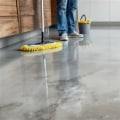
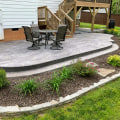
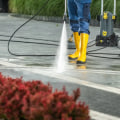
Curing is a critical process in concrete services that significantly influences the overall performance and longevity of concrete structures. When freshly poured, concrete is in a fragile state, and its strength development relies heavily on maintaining adequate moisture and temperature conditions. The importance of curing cannot be overstated; it ensures that the concrete achieves its intended strength and durability, which are essential for the structural integrity of any project. During the curing process, hydration occurs as water reacts with cement particles, forming a strong bond that ultimately defines the concrete's characteristics. Without proper curing, this hydration can be disrupted, leading to issues such as cracking, shrinkage, and reduced load-bearing capacity.
Therefore, understanding the nuances of the curing process is vital for anyone involved in concrete services, from contractors to property owners. Moreover, the duration and methods of curing can vary based on environmental conditions and the specific requirements of the project. Factors such as temperature, humidity, and wind can all impact how long concrete should be cured to achieve optimal results. By prioritizing effective curing practices, professionals in concrete services can ensure that their projects not only meet but exceed industry standards for quality and durability.
What is Curing and Why is it Necessary?
Curing
is a critical process in the lifecycle of concrete, referring to the methods used to maintain adequate moisture, temperature, and time to allow the concrete to achieve its desired strength and durability. This process begins immediately after the concrete is placed and continues for a specified period, typically ranging from a few days to several weeks, depending on various factors such as the type of concrete mix and environmental conditions.Understanding why curing is necessary is essential for anyone involved in concrete services.
Proper curing helps to:
- Prevent Cracking: As concrete dries, it can shrink and crack if not properly cured. Maintaining moisture levels helps mitigate this risk.
- Enhance Strength: Curing allows the hydration process to continue, which is vital for developing the concrete's compressive strength.
- Improve Durability: Well-cured concrete is less susceptible to damage from freeze-thaw cycles and chemical attacks.
- Ensure Aesthetic Quality: Proper curing can also enhance the surface finish of the concrete, leading to a more visually appealing result.
- Water Curing: This involves keeping the surface moist by applying water directly or using wet coverings like burlap.
- Curing Compounds: These are chemical solutions that form a film over the surface, reducing evaporation.
- Plastic Sheeting: Covering the concrete with plastic can help retain moisture and prevent rapid drying.
Recommended Curing Times for Different Concrete Applications
Understanding the recommended curing time for various concrete applications is crucial for ensuring the durability and strength of the finished product. Different factors such as environmental conditions, mix design, and the specific use of the concrete can significantly influence these times.Curing Times for Concrete Slabs
For standard concrete slabs, a curing time of at least 7 days is recommended.During this period, it is essential to keep the surface moist to prevent cracking and ensure proper hydration. In hotter climates, extending the curing time to 14 days may be beneficial to compensate for rapid evaporation.
Curing Times for Concrete Walls
Concrete walls typically require a similar curing duration of about 7 days. However, if the walls are exposed to harsh weather conditions or if they are particularly thick, extending the curing time to 10-14 days can enhance their structural integrity.Curing Times for Decorative Finishes
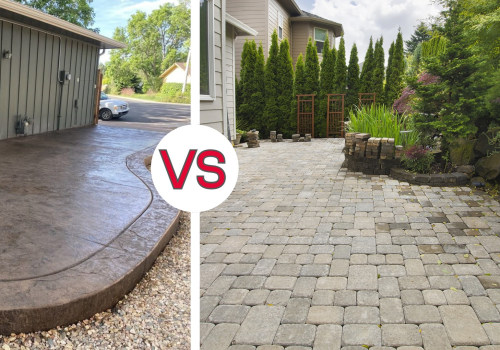
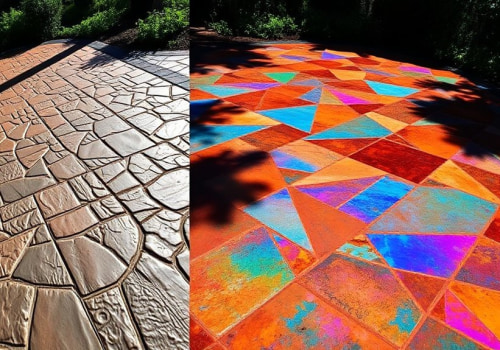
When it comes to decorative concrete finishes, such as stamped or stained surfaces, the curing time can vary. Generally, a minimum of 7 days is recommended before applying any sealers or finishes.For optimal results, waiting up to 14 days allows for better adhesion and prevents damage to the decorative layer.
Factors Influencing Curing Time
- Temperature: Higher temperatures can accelerate curing but may also lead to rapid moisture loss.
- Humidity: Low humidity levels can necessitate longer curing times due to increased evaporation rates.
- Wind: Windy conditions can also contribute to faster drying, requiring additional measures to maintain moisture.
Factors Affecting Curing Time
Curing time for concrete is not a one-size-fits-all scenario; it is influenced by several factors that can significantly affect the overall quality and durability of the finished surface. Understanding these factors is essential for anyone utilizing concrete services.- Temperature: The ambient temperature plays a crucial role in the curing process. Higher temperatures can accelerate the curing time, but they may also lead to rapid moisture loss, which can cause cracking.
Ideally, concrete should be cured at temperatures between 50°F and 90°F. Below this range, the curing process slows down, potentially leading to incomplete hydration of the cement.
- Humidity: Humidity levels in the environment also impact curing time. In high humidity conditions, moisture is retained longer, which can extend the curing period. Conversely, low humidity can lead to faster evaporation of water from the surface, necessitating more frequent wetting to maintain adequate moisture levels.
- Wind: Wind can exacerbate moisture loss from the surface of freshly poured concrete.
In windy conditions, it is advisable to use windbreaks or coverings to protect the curing concrete from excessive evaporation.
- Concrete Mix Design: The specific mix design of the concrete itself can influence curing time. For instance, mixes with higher water-to-cement ratios may require longer curing times to achieve optimal strength.
Best Practices for Curing Concrete Surfaces
Curing concrete is a critical process that significantly influences the strength and durability of the finished surface. To achieve optimal results, it is essential to follow best practices for curing concrete.Here are some effective methods and techniques:
- Water Curing: This is one of the most common methods. It involves keeping the concrete surface moist by applying water continuously for a specified period. Ideally, you should keep the surface wet for at least 7 days for standard concrete mixes.
- Curing Compounds: These are chemical solutions that form a film over the concrete surface, reducing evaporation. They are particularly useful in hot or windy conditions where moisture loss is rapid.
Ensure to apply them evenly and according to the manufacturer's instructions.
- Covering with Wet Burlap: This method involves covering the concrete with wet burlap or similar materials. It helps retain moisture and is especially effective for large areas.
- Plastic Sheeting: Using plastic sheeting can also be an effective way to prevent moisture loss. Ensure that the sheeting is secured and in contact with the concrete surface to minimize evaporation.
- Timing: Start curing as soon as the finishing operations are complete. Delaying this process can lead to surface cracking and reduced strength.
- Temperature Control: Monitor environmental conditions.
In extreme heat, increase the frequency of water application, while in cold weather, use insulated blankets to maintain temperature.
- Avoiding Rapid Drying: Protect the concrete from direct sunlight and wind during the curing period. Shade cloths or windbreaks can be beneficial.
Common Mistakes to Avoid During the Curing Process
Curing concrete is a critical step in ensuring its strength and durability, yet many people make common mistakes that can compromise the final result. Understanding these pitfalls can help you achieve a more successful curing process.- Inadequate Moisture Retention: One of the most frequent errors is failing to keep the concrete surface adequately moist. Without sufficient moisture, the concrete can dry too quickly, leading to cracks and weakened structure.
To avoid this, consider using curing compounds or wet burlap to maintain moisture levels.
- Ignoring Temperature Conditions: Curing should be adjusted based on environmental conditions. High temperatures can accelerate drying, while low temperatures can slow down the curing process. Always monitor the weather and adjust your curing methods accordingly.
- Rushing the Process: Some individuals may be tempted to remove curing materials too soon, thinking that the concrete is ready. However, it’s essential to allow adequate time for curing—typically at least 7 days for most applications.
Rushing this process can lead to significant long-term issues.
- Using Improper Curing Methods: Different projects may require different curing techniques. For instance, using plastic sheeting may be effective in some cases but not in others. Always choose a method that suits your specific project needs.
- Neglecting Surface Protection: After curing, the surface should be protected from heavy traffic and harsh weather conditions. Failing to do so can lead to surface damage and reduce the lifespan of your concrete.
Whether you are hiring concrete services or doing it yourself, understanding these mistakes will lead to better results and a more durable finished product.
FAQs About Concrete Curing Times
When it comes to concrete curing, many homeowners and contractors have questions about the optimal times and methods. Here are some of the most frequently asked questions regarding concrete curing times.What is the ideal curing time for concrete?
The ideal curing time for concrete typically ranges from 7 to 28 days, depending on the specific application and environmental conditions. For most residential projects, a minimum of 7 days is recommended to achieve sufficient strength.Why is curing time important?
Curing time is crucial because it allows the concrete to gain strength and durability. Proper curing helps prevent issues such as cracking, scaling, and surface defects.Without adequate curing, the longevity of your concrete surface may be compromised.
How can I tell if my concrete is cured?
- Visual Inspection: Look for a uniform color and texture.
- Touch Test: The surface should feel hard and solid.
- Moisture Check: Ensure there are no wet spots or excessive moisture on the surface.
Does weather affect curing time?
Yes, weather plays a significant role in concrete curing. Hot, dry conditions can accelerate evaporation, leading to quicker curing times but also increasing the risk of cracking. Conversely, cold or wet weather can slow down the curing process. It’s essential to monitor conditions and adjust your curing methods accordingly.What methods can I use to cure concrete?
- Water Curing: Keeping the surface moist by spraying or covering with wet burlap.
- Curing Compounds: Applying a chemical compound that retains moisture.
- Plastic Sheeting: Covering the surface with plastic to trap moisture.
If you have further questions about specific projects or conditions, consulting with a professional in concrete services can provide tailored advice.
Conclusion: Key Takeaways on Curing Time for Concrete Surfaces
In summary, understanding the recommended curing time for concrete surfaces is crucial for achieving optimal strength and durability. Proper curing not only enhances the performance of the concrete but also extends its lifespan, making it a vital aspect of concrete services.Here are the key takeaways regarding curing times:- Initial Curing Period: The first 24 to 48 hours after pouring are critical. During this time, the concrete should be kept moist to prevent surface cracking.
- Standard Curing Duration: For most applications, a minimum curing period of 7 days is recommended. This allows the concrete to achieve approximately 70% of its strength.
- Extended Curing for High-Performance Concrete: In cases where high strength is required, extending the curing time to 14 days or more can be beneficial.
- Environmental Considerations: Factors such as temperature and humidity can significantly affect curing times.
Hot weather may necessitate more frequent moisture application, while cooler conditions may require longer curing periods.