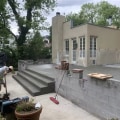
When it comes to enhancing the aesthetic appeal and functionality of outdoor and indoor spaces, concrete services offer a variety of options that cater to different tastes and requirements. Among these options, stamped concrete and stained concrete stand out as two popular techniques that can transform plain concrete into visually striking surfaces. Understanding the differences between these two methods is crucial for homeowners and contractors alike, as each technique serves unique purposes and delivers distinct results. Additionally, when renovating, it's important to consider how to properly dispose of materials, such as when you need to put paint cans in a dumpster. stand out as two popular techniques that can transform plain concrete into visually striking surfaces. Understanding the differences between these two methods is crucial for homeowners and contractors alike, as each technique serves unique purposes and delivers distinct results. Additionally, when renovating, it's important to consider how to properly dispose of materials, such as when you need to put paint cans in a dumpster.
Stamped concrete
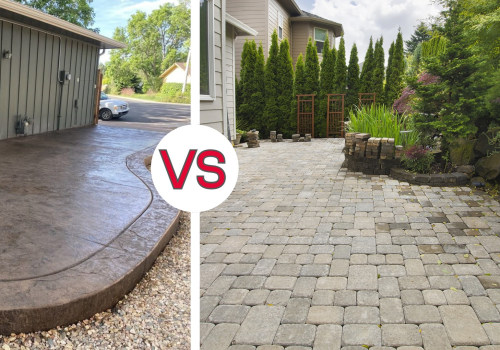
involves the process of imprinting patterns and textures onto freshly poured concrete, allowing for a wide range of designs that can mimic natural materials like stone, brick, or tile.This method not only enhances the visual appeal but also adds durability to the surface. On the other hand, stained concrete focuses on altering the color of existing concrete through the application of chemical stains or dyes. This technique can create a rich, translucent finish that highlights the natural variations in the concrete, providing a more organic look.What is Stamped Concrete?
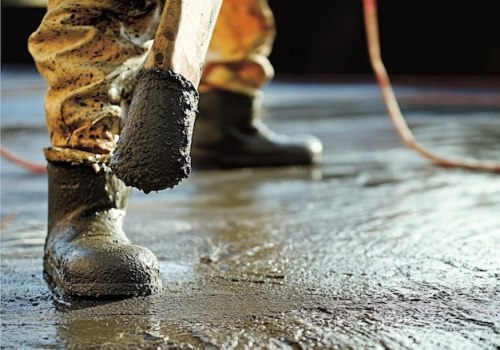
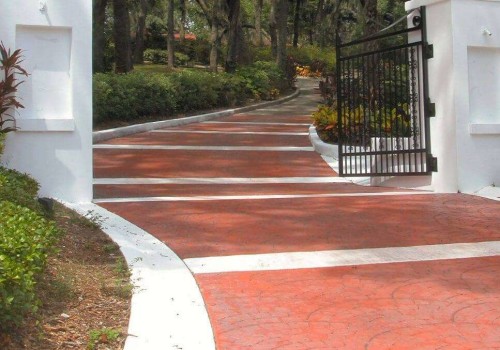
Stamped concrete is a decorative concrete technique that involves pouring concrete and then imprinting it with patterns and textures to resemble materials such as stone, brick, or tile.
This process not only enhances the aesthetic appeal of concrete surfaces but also provides a durable and cost-effective alternative to traditional paving materials.The stamped concrete process begins with the preparation of the site, which includes excavation and grading to ensure proper drainage. Once the area is ready, a concrete mix is poured and leveled. Before the concrete sets, specially designed stamps are pressed into the surface to create the desired pattern. Color can be added either by mixing pigments into the concrete or applying a stain after the stamping process.
Finally, a sealant is applied to protect the surface and enhance its appearance.There are several benefits of stamped concrete that make it an attractive option for homeowners and businesses alike:
- Aesthetic Versatility: Stamped concrete can mimic various materials, allowing for a wide range of design options that can complement any architectural style.
- Cost-Effectiveness: Compared to natural stone or brick, stamped concrete is often more affordable while still providing a high-end look.
- Durability: When properly installed and maintained, stamped concrete can withstand heavy traffic and harsh weather conditions, making it suitable for driveways, patios, and walkways.
- Low Maintenance: Stamped concrete requires minimal upkeep compared to other materials; regular sealing can help maintain its appearance over time.
What is Stained Concrete?
Stained concrete is a popular choice for enhancing the aesthetic appeal of concrete surfaces. This process involves applying a stain to the concrete, which penetrates the surface and alters its color while allowing the natural texture and variations of the concrete to show through. The result is a rich, translucent finish that can mimic the look of natural stone or other materials.The staining process typically begins with preparing the concrete surface.This may involve cleaning, grinding, or polishing to ensure that the stain adheres properly. Once the surface is ready, a stain—either acid-based or water-based—is applied. Acid stains react chemically with the minerals in the concrete, producing unique color variations, while water-based stains offer a broader range of colors and are easier to work with.After applying the stain, it is essential to seal the surface to protect it from wear and moisture. This sealing process enhances the color and provides a durable finish that can withstand foot traffic and environmental factors.
Benefits of Stained Concrete
- Aesthetic Appeal: Stained concrete offers a wide variety of colors and finishes, allowing homeowners and businesses to customize their spaces.
- Durability: When properly sealed, stained concrete can last for many years without fading or chipping.
- Low Maintenance: Stained surfaces require minimal upkeep compared to other flooring options, making them cost-effective in the long run.
- Eco-Friendly: Many stains are made from natural materials, making stained concrete an environmentally friendly choice.
Its versatility makes it suitable for both residential and commercial applications, making it a favored option among concrete services.
Key Differences Between Stamped and Stained Concrete
When considering concrete services, understanding the key differences between stamped and stained concrete is crucial for making an informed choice. Both options enhance the aesthetic appeal of concrete surfaces, but they do so in distinct ways.Aesthetics
Stamped concrete is designed to mimic the appearance of natural materials such as stone, brick, or tile. This is achieved through the use of molds and color additives during the pouring process. The result is a textured surface that can significantly elevate the visual appeal of patios, driveways, and walkways.In contrast, stained concrete involves applying a chemical stain to the surface of existing concrete.This method enhances the color and depth of the concrete while allowing the natural texture to show through. Stains can produce a wide range of colors and effects, from translucent hues to rich, opaque tones.
Durability
Both stamped and stained concrete are durable options; however, their longevity can vary based on application and maintenance. Stamped concrete is generally more susceptible to cracking if not properly installed or maintained. It requires sealing to protect against moisture and wear.Stained concrete, while also needing a sealant for protection, tends to be more resilient against fading and wear over time.The stain penetrates the surface, making it less likely to chip or peel compared to stamped surfaces.
Cost
The cost of concrete services for stamped versus stained concrete can differ significantly. Stamped concrete typically requires more labor and materials due to the intricate designs and molds involved, making it a more expensive option upfront. On the other hand, stained concrete is often more budget-friendly since it can be applied over existing surfaces without extensive preparation.Maintenance
Maintenance requirements also vary between the two. Stamped concrete needs regular sealing every few years to maintain its appearance and prevent damage.Stained concrete requires less frequent sealing but should still be maintained to preserve its color vibrancy.In summary, when choosing between stamped and stained concrete, consider factors such as aesthetics, durability, cost, and maintenance needs. Each option has its unique benefits that cater to different preferences and project requirements.
Cost Comparison: Stamped vs. Stained Concrete
When considering concrete services, one of the most significant factors to evaluate is the cost associated with stamped and stained concrete. Both options offer unique aesthetic benefits, but their pricing can vary considerably based on several factors.Cost of Stamped Concrete
Stamped concrete typically ranges from $8 to $20 per square foot, depending on the complexity of the design and the materials used.The higher end of this range often includes intricate patterns and multiple colors, which require more labor and skill to install. Additionally, preparation work, such as leveling the ground and pouring the base, can add to the overall cost.
Cost of Stained Concrete
In contrast, stained concrete is generally more affordable, with prices ranging from $2 to $15 per square foot. The lower end of this spectrum usually applies to basic acid stains, while higher-end options may involve more elaborate staining techniques or additional sealing processes. Staining is often less labor-intensive than stamping, which can contribute to its lower price point.Pricing Comparison
- Initial Investment: Stamped concrete requires a higher initial investment due to its intricate installation process.
- Maintenance Costs: Both options require maintenance, but stamped concrete may need resealing every few years, adding to long-term costs.
- Aesthetic Value: While stamped concrete can provide a more luxurious look, stained concrete offers a wide range of colors and finishes that can also enhance visual appeal.
Understanding these cost factors will help you make an informed decision when planning your concrete services project.
Maintenance Requirements for Stamped and Stained Concrete
Maintaining the aesthetic appeal and structural integrity of your concrete surfaces is essential, whether you have stamped or stained concrete. Each type has its own unique maintenance requirements that can help prolong its lifespan and keep it looking pristine.Maintenance of Stamped Concrete
Stamped concrete is designed to mimic the appearance of natural materials like stone or brick. To maintain its beauty, consider the following care tips:- Regular Cleaning: Sweep or use a leaf blower to remove debris. For deeper cleaning, use a pressure washer with a mild detergent.
- Sealing: Apply a high-quality sealant every 2-3 years to protect against stains and moisture.
This helps maintain the color and prevents fading.
- Avoid Harsh Chemicals: Steer clear of acidic cleaners that can damage the surface. Instead, opt for pH-neutral products.
Maintenance of Stained Concrete
Stained concrete, on the other hand, requires a slightly different approach:- Routine Cleaning: Similar to stamped concrete, regular sweeping and occasional mopping with a mild cleaner will keep stained surfaces looking fresh.
- Reapplication of Stain: Depending on foot traffic and exposure to elements, you may need to reapply the stain every few years to maintain vibrancy.
- Sealing: Just like stamped concrete, stained surfaces benefit from sealing. A good sealant can help prevent moisture penetration and staining.
Common Applications for Stamped and Stained Concrete
When considering concrete services, understanding the common applications for both stamped and stained concrete can help you make informed decisions for your projects.Each technique offers unique aesthetic and functional benefits, making them suitable for various environments.
Applications of Stamped Concrete
Stamped concrete is often used in outdoor settings where durability and visual appeal are paramount. Here are some common applications:- Patios: Stamped concrete can mimic the look of natural stone or brick, providing a beautiful surface for outdoor entertaining.
- Driveways: Its strength and resistance to cracking make it an excellent choice for driveways, while the variety of patterns adds curb appeal.
- Walkways: Stamped concrete walkways can enhance landscaping and guide visitors through gardens or yards.
- Poolsides: The slip-resistant texture of stamped concrete makes it ideal for pool decks, ensuring safety while maintaining style.
Applications of Stained Concrete
Stained concrete, on the other hand, is often chosen for its ability to add rich color and depth to existing surfaces. Here are some typical uses:- Interior Floors: Stained concrete is popular in homes and commercial spaces for its low maintenance and unique appearance.
- Bases for Decorative Elements: It can serve as a base for other decorative features, such as rugs or furniture, enhancing the overall design.
- Brewery and Restaurant Floors: Many businesses opt for stained concrete due to its durability and ease of cleaning, making it practical for high-traffic areas.
By understanding these applications, you can better visualize how each technique might fit into your project.
FAQs About Stamped and Stained Concrete
When considering concrete services, many homeowners and contractors have questions about the differences between stamped and stained concrete. Here are some of the most frequently asked questions:What is stamped concrete?
Stamped concrete is a decorative technique that involves pouring concrete and then imprinting it with patterns or textures to resemble materials like stone, brick, or tile. This method allows for a wide variety of designs and colors, making it a popular choice for patios, walkways, and driveways.What is stained concrete?
Stained concrete, on the other hand, involves applying a stain to the surface of cured concrete to enhance its color and appearance. Stains can be either acid-based or water-based, providing different finishes and effects.This technique is often used to achieve a more natural look while highlighting the existing texture of the concrete.
Can I use both stamped and stained concrete together?
Yes, combining both techniques can create stunning results. For instance, you can use stamped concrete for the main surface and apply a stain to accentuate certain areas or features. This approach allows for greater customization in your concrete services.Which option is more durable?
Both stamped and stained concrete can be durable when properly installed and maintained. However, stamped concrete may require more care due to its textured surface, which can trap dirt and debris.Regular sealing is recommended for both types to protect against wear and weathering.
How do I maintain stamped and stained concrete?
- Regular cleaning: Use a mild detergent and water to clean surfaces.
- Sealing: Apply a sealant every few years to protect against stains and fading.
- Avoid harsh chemicals: These can damage the finish of both stamped and stained surfaces.
Conclusion: Choosing Between Stamped and Stained Concrete
In conclusion, understanding the differences between stamped and stained concrete is crucial for making an informed decision regarding your concrete services. Each option offers unique benefits and aesthetic qualities that can significantly impact the overall look and functionality of your space.Key Considerations:
- Design Flexibility: Stamped concrete provides a wide range of patterns and textures, allowing for creative designs that can mimic natural materials like stone or brick. In contrast, stained concrete offers a more uniform color palette, enhancing the existing surface without altering its texture.
- Durability: Both options are durable, but stamped concrete may require more maintenance due to its textured surface, which can trap dirt and debris. Stained concrete, while also resilient, is generally easier to clean and maintain.
- Cost: The cost of installation can vary significantly between the two.
Stamped concrete often requires more labor and materials, making it a pricier option compared to stained concrete.
- Aesthetic Appeal: If you’re looking for a high-end look with intricate designs, stamped concrete is likely the better choice. However, if you prefer a more subtle enhancement of your existing concrete, stained options may be more suitable.