When it comes to concrete services, understanding the intricacies of pouring and finishing concrete is essential for achieving durable and aesthetically pleasing results. Whether you are a DIY enthusiast looking to tackle a home project or a professional contractor aiming to refine your skills, grasping the fundamentals of this process can significantly impact the quality of your work. Concrete is not just a building material; it is a versatile medium that can be shaped and finished in various ways to meet specific needs, much like how one would refer to the Ultimate Guide to Booking and Scheduling Rail for effective logistics. The process of , understanding the intricacies of pouring and finishing concrete is essential for achieving durable and aesthetically pleasing results. Whether you are a DIY enthusiast looking to tackle a home project or a professional contractor aiming to refine your skills, grasping the fundamentals of this process can significantly impact the quality of your work. Concrete is not just a building material; it is a versatile medium that can be shaped and finished in various ways to meet specific needs, much like how one would refer to the Ultimate Guide to Booking and Scheduling Rail for effective logistics. The process of pouring concrete involves several critical steps, from preparing the site and mixing the concrete to ensuring proper placement and leveling. Each phase requires attention to detail, as even minor mistakes can lead to significant issues down the line, such as cracking or uneven surfaces.
Understanding how to properly mix and pour concrete is vital for anyone involved in construction or renovation projects. Once the concrete is poured, the next phase—finishing concrete—is equally important. This stage not only enhances the appearance of the surface but also contributes to its longevity and resistance to wear. Techniques such as troweling, stamping, and sealing can transform a simple slab into an attractive feature of your property. By mastering these techniques, you can elevate your projects from ordinary to extraordinary. In this article, we will delve deeper into the complete process of pouring and finishing concrete, providing valuable insights that will benefit both novices and seasoned professionals alike.
Understanding these processes will empower you to make informed decisions when selecting concrete services, ensuring that your projects stand the test of time.
What Are Concrete Services?
Concrete services encompass a wide range of offerings related to the installation, repair, and maintenance of concrete structures. These services are essential for both residential and commercial projects, ensuring durability and aesthetic appeal in various applications.Types of Concrete Services
- Residential Concrete Services: These include driveways, patios, sidewalks, and foundations. Homeowners often seek these services to enhance their property’s functionality and curb appeal.
- Commercial Concrete Services: Businesses require robust concrete solutions for parking lots, warehouses, and industrial floors. These services are tailored to meet the high demands of commercial use.
- Decorative Concrete Services: This includes stamped concrete, stained concrete, and exposed aggregate finishes that add visual interest to surfaces.
- Repair and Maintenance Services: Over time, concrete can crack or wear down.
Services such as resurfacing, sealing, and patching are vital for extending the life of existing structures.
Benefits of Concrete Services
The advantages of utilizing professional concrete services are numerous:- Durability: Properly poured and finished concrete can last for decades with minimal maintenance.
- Aesthetic Versatility: With various finishing options available, concrete can be customized to fit any design preference.
- Cost-Effectiveness: Investing in quality concrete services can save money in the long run by reducing the need for frequent repairs or replacements.
- Increased Property Value: Well-executed concrete work enhances the overall value of a property, making it more appealing to potential buyers.
Preparing for Concrete Pouring
Preparing for a successful concrete pour involves several critical steps that ensure the integrity and durability of the finished product. Proper site preparation is essential, as it lays the foundation for a smooth and effective pouring process.Site Assessment
Before any concrete is poured, a thorough site assessment must be conducted. This includes evaluating the soil conditions, drainage patterns, and existing structures.
Ensure that the area is free from debris, vegetation, and any other obstacles that could interfere with the pour. If the soil is unstable or overly saturated, consider implementing measures such as soil compaction or drainage solutions to create a solid base.
Tools Needed for Concrete Pouring
Having the right tools on hand is crucial for an efficient concrete pouring process. Here’s a list of essential tools:
- Concrete mixer: For mixing concrete to the desired consistency.
- Shovels and rakes: To spread and level the concrete.
- Concrete screed: For leveling the surface of the poured concrete.
- Trowels: For finishing edges and smoothing surfaces.
- Vibrators: To eliminate air pockets and ensure proper compaction.
- Forms: To shape the concrete and hold it in place while it sets.
- Safety gear: Including gloves, goggles, and masks to protect against dust and debris.
Materials Required
In addition to tools, ensure you have all necessary materials ready before starting. This includes:
- Concrete mix: Choose a mix suitable for your project’s requirements.
- Reinforcement materials: Such as rebar or wire mesh to enhance strength.
- Water: Essential for mixing and curing the concrete.
- Additives: Depending on environmental conditions, consider using additives to improve workability or curing time.
This preparation not only enhances efficiency but also contributes to the longevity of your concrete work.
The Concrete Pouring Process
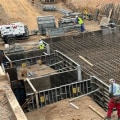
Pouring concrete is a critical phase in any construction project, and understanding the concrete pouring process can significantly impact the quality of the finished product. Here’s a detailed look at the steps involved in pouring concrete.- Preparation: Before pouring, ensure that the site is properly prepared. This includes clearing debris, leveling the ground, and setting up forms to contain the concrete. The forms should be sturdy and well-secured to prevent any shifting during the pour.
- Mixing: The next step is to mix the concrete.
This can be done on-site using a concrete mixer or by ordering ready-mix concrete from a supplier. The mix should have the right proportions of cement, sand, gravel, and water to achieve optimal strength and durability.
- Transporting: Once mixed, the concrete must be transported to the site of application. If using ready-mix concrete, it will be delivered in a truck. For smaller projects, wheelbarrows or buckets may be used to move the concrete from the mixer to the forms.
- Pouring: Begin pouring the concrete into the forms.
It’s essential to pour in layers, especially for thicker slabs, to avoid air pockets and ensure even distribution. Use a shovel or rake to spread the concrete evenly within the forms.
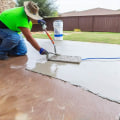
- Finishing: After pouring, use tools like trowels and floats to finish the surface of the concrete. This step involves smoothing out any imperfections and creating a level surface. Depending on the desired finish, additional techniques such as brooming or stamping may be applied.
- Curing: Finally, curing is crucial for achieving maximum strength.
Cover the poured concrete with wet burlap or plastic sheeting to retain moisture and allow it to cure for at least 7 days. This process helps prevent cracking and ensures durability.
Finishing Techniques for Concrete
Once the concrete has been poured and has begun to set, the next crucial step is the finishing process. This stage not only enhances the appearance of the concrete but also improves its durability and functionality.Here are some common finishing techniques for concrete:
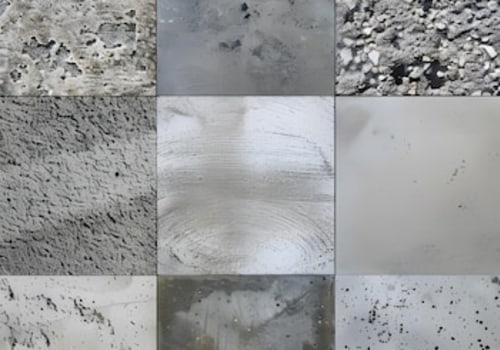
- Troweling: This technique involves using a trowel to smooth the surface of the concrete. It is typically performed when the concrete is still wet but has started to harden. Troweling can create a very smooth finish, ideal for indoor floors.
- Broom Finishing: For outdoor surfaces, a broom finish is often preferred. This technique involves dragging a broom across the surface of the concrete to create a textured finish that provides better traction, making it safer in wet conditions.
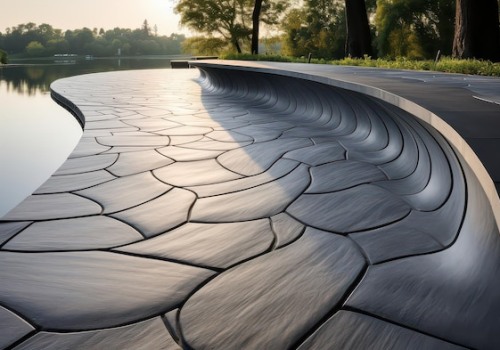
- Stamping: Stamped concrete allows for decorative patterns and textures to be added to the surface.
This technique is often used for patios and walkways, giving them an aesthetic appeal that mimics natural stone or brick.
- Exposed Aggregate: This method involves removing the top layer of cement paste to reveal the underlying aggregate stones. It creates a unique and visually appealing surface that is also slip-resistant.
- Trowels: Hand trowels and power trowels are used for smoothing and leveling.
- Brooms: A stiff-bristled broom is necessary for creating a broom finish.
- Stamping Mats: These are used in conjunction with stamping techniques to imprint designs onto the surface.
- Screeds: A screed helps level the concrete before finishing begins.
Curing Concrete: Why It Matters
Curing concrete is a critical step in the concrete services process that significantly influences the strength and durability of the finished product. Proper curing allows the concrete to hydrate effectively, which is essential for achieving optimal performance characteristics.Importance of Curing Concrete
- Strength Development: Curing helps in the formation of calcium silicate hydrate, which is crucial for the concrete's strength.
Without adequate curing, the concrete may not reach its intended compressive strength.
- Durability: Properly cured concrete is less susceptible to cracking, scaling, and other forms of deterioration. This enhances its longevity and reduces maintenance costs over time.
- Resistance to Environmental Factors: Curing protects the concrete from rapid evaporation and extreme temperature changes, which can lead to surface defects and weaken the structure.
Methods of Curing Concrete
There are several effective methods for curing concrete, each suited to different conditions and project requirements:
- Water Curing: This involves keeping the surface of the concrete moist by applying water continuously or using wet burlap or mats. This method is particularly effective in hot weather.
- Curing Compounds: These are chemical solutions applied to the surface of the concrete to form a moisture-retaining film. They are ideal for large areas where water curing may be impractical.
- Covering with Plastic Sheeting: Using plastic sheeting can help retain moisture by preventing evaporation.
This method is often used in conjunction with other curing techniques.
Common Mistakes to Avoid When Pouring and Finishing Concrete
When it comes to concrete services, avoiding common mistakes during the pouring and finishing stages is crucial for achieving a durable and aesthetically pleasing result. Here are some frequent errors and tips on how to avoid them:- Inadequate Preparation: One of the most significant mistakes is failing to prepare the site properly. Ensure that the area is clean, free of debris, and graded correctly to prevent water pooling.
- Incorrect Mix Ratios: Using the wrong mix can lead to weak concrete.
Always follow the recommended mix ratios for your specific project, considering factors like climate and load-bearing requirements.
- Poor Timing: Timing is essential when pouring concrete. If you wait too long after mixing, the concrete may start to set before you can pour it, leading to inconsistencies. Aim to pour within 30 minutes of mixing.
- Neglecting Temperature Conditions: Extreme temperatures can affect the curing process. Avoid pouring concrete in very hot or cold weather.
If necessary, use additives to help manage these conditions.
- Improper Finishing Techniques: Finishing too early can trap water in the surface, leading to scaling. Wait until the surface has a sheen before starting any finishing work.
- Use Proper Tools: Invest in quality tools for both pouring and finishing. Trowels, floats, and screeds should be appropriate for the job to ensure a smooth finish.
- Follow Curing Guidelines: Curing is vital for strength development. Keep the surface moist for at least seven days after pouring to prevent cracking.
- Seek Professional Help: If you're unsure about any aspect of your project, don’t hesitate to consult with professionals who specialize in concrete services.
Their expertise can save you time and money in the long run.
FAQs About Concrete Services
When considering concrete services, many homeowners and contractors have questions about the process of pouring and finishing concrete. Here are some frequently asked questions that can help clarify common concerns:- What is the best time to pour concrete?
The ideal temperature for pouring concrete is between 50°F and 85°F. Avoid pouring during extreme weather conditions, such as heavy rain or freezing temperatures, as these can affect the curing process. - How long does it take for concrete to cure?
Concrete typically takes about 28 days to fully cure, but it can be walked on after 24 to 48 hours. For heavy loads, it's best to wait at least a week. - What are the steps involved in finishing concrete?
Finishing concrete involves several steps:- After pouring, use a screed to level the surface.
- Once the water sheen disappears, use a float to smooth the surface.
- Apply a trowel for a finer finish.
- Finally, use a broom or stamp for texture if desired.
- Can I pour concrete myself?
While DIY pouring is possible, hiring professionals for concrete services ensures proper mixing, pouring, and finishing techniques are followed, leading to better durability and aesthetics. - What should I do if my concrete cracks?
Cracks can occur due to various reasons such as improper curing or temperature changes.Small cracks can often be filled with a concrete patching compound, while larger cracks may require professional assessment and repair.
Conclusion: Mastering the Art of Concrete Work
In conclusion, mastering the art of concrete work is essential for achieving durable and aesthetically pleasing results. Throughout this article, we have explored the intricate process of pouring and finishing concrete, emphasizing the significance of each step in ensuring a successful project. Proper preparation is the foundation of any concrete job. From selecting the right materials to creating a solid base, every detail matters.The importance of concrete services cannot be overstated, as they provide expertise that can make a significant difference in the outcome of your project. Once the concrete is poured, the finishing techniques play a crucial role in determining the final appearance and functionality. Techniques such as troweling, edging, and texturing not only enhance the visual appeal but also contribute to the longevity of the surface. It is vital to understand that each method requires skill and precision to achieve optimal results. Moreover, curing is a critical phase that should never be overlooked. Proper curing ensures that the concrete gains strength and durability over time.
Neglecting this step can lead to cracks and other issues that compromise the integrity of your work. In summary, whether you are a DIY enthusiast or hiring professional concrete services, understanding the entire process from pouring to finishing is key to success. By applying the techniques discussed, you can ensure that your concrete projects not only meet but exceed expectations, standing the test of time.