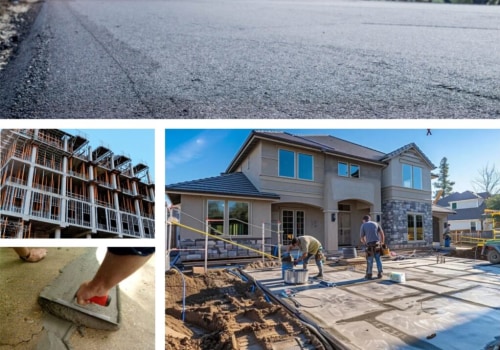
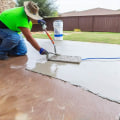
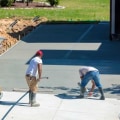
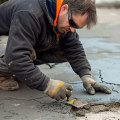
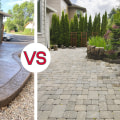
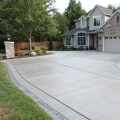
Concrete services encompass a wide range of applications and techniques that utilize concrete as a primary material. From foundational work to aesthetic enhancements, these services play a crucial role in both residential and commercial construction projects. Understanding the different types of concrete services available is essential for homeowners and builders alike, as it allows for informed decisions that can impact the durability, functionality, and visual appeal of a space. At its core, concrete services can be divided into two main categories: traditional and decorative. Traditional concrete services typically focus on structural integrity and functionality, including tasks such as pouring foundations, constructing walls, and creating driveways.
These services prioritize strength and longevity, ensuring that the concrete can withstand various environmental factors and heavy loads. On the other hand, decorative concrete services aim to enhance the aesthetic value of concrete installations. This includes techniques such as stamping, staining, and polishing, which transform plain concrete into visually striking surfaces. By understanding the distinctions between these two categories, clients can better appreciate how each type of service contributes to their overall project goals. As we delve deeper into the specifics of traditional versus decorative concrete services, it becomes clear that both play vital roles in the world of construction and design.
What Are Traditional Concrete Services?
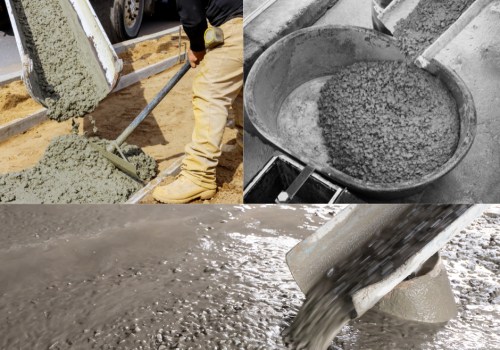
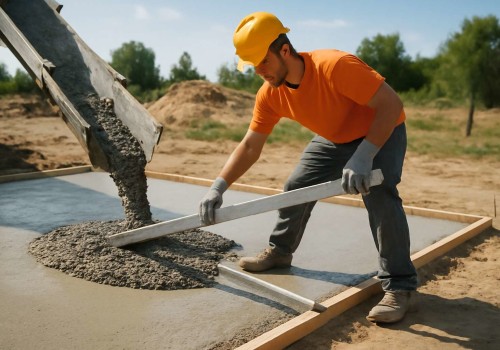
Traditional concrete services refer to the standard methods of mixing, pouring, and finishing concrete for various construction projects.This type of concrete is typically composed of cement, water, sand, and aggregates, resulting in a durable and versatile material that serves as the backbone for many structures.One of the primary characteristics of traditional concrete is its strength and durability. When properly mixed and cured, traditional concrete can withstand significant loads and resist weathering, making it an ideal choice for foundational work, driveways, sidewalks, and other structural applications.
Common Applications of Traditional Concrete
- Foundations: Traditional concrete is widely used for building foundations due to its load-bearing capabilities.
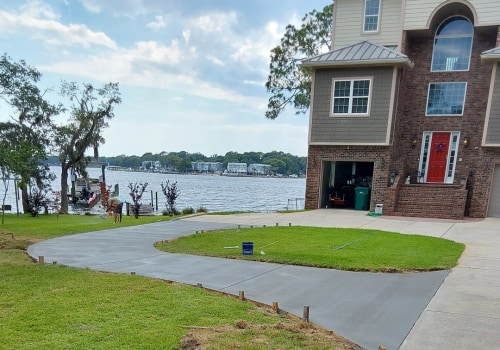
- Driveways: Its durability makes it a popular choice for residential and commercial driveways.
- Sidewalks: Many urban areas utilize traditional concrete for sidewalks because of its longevity and low maintenance requirements.
- Pavements: Roads and parking lots often rely on traditional concrete for its strength under heavy traffic.
Benefits of Traditional Concrete
- Cost-Effectiveness: Traditional concrete services are generally more affordable compared to decorative options, making them accessible for various budgets.
- Low Maintenance: Once cured, traditional concrete requires minimal upkeep, saving time and money in the long run.
- Versatility: It can be molded into various shapes and sizes, allowing for a wide range of applications in construction.
- Sustainability: Concrete is a sustainable building material when sourced responsibly, contributing to eco-friendly construction practices.
What Are Decorative Concrete Services?
Decorative concrete services encompass a variety of techniques that enhance the visual appeal and functionality of concrete surfaces.Unlike traditional concrete, which is primarily utilitarian, decorative options allow for creativity and customization, making them ideal for both residential and commercial applications.
Types of Decorative Concrete
- Stamped Concrete: This technique involves imprinting patterns and textures onto freshly poured concrete. It can mimic the look of natural stone, brick, or tile, providing an elegant finish for patios, walkways, and driveways.
- Stained Concrete: Staining adds color to concrete surfaces, enhancing their aesthetic appeal. Acid-based stains create a variegated look, while water-based stains offer a broader color palette. This method is popular for interior floors and outdoor spaces.
- Polished Concrete: Polishing involves grinding the surface of the concrete to achieve a glossy finish.
This not only improves the appearance but also increases durability and resistance to stains, making it suitable for high-traffic areas.
- Concrete Overlays: Overlays are thin layers of polymer-modified concrete applied over existing surfaces. They can be stamped or stained, providing a fresh look without the need for complete replacement.
Benefits of Decorative Concrete
The advantages of choosing decorative concrete services are numerous:- Aesthetic Appeal: Decorative concrete can transform ordinary spaces into visually stunning areas that enhance property value.
- Durability: Many decorative techniques improve the longevity of concrete surfaces, making them resistant to wear and tear.
- Low Maintenance: Decorative finishes often require less upkeep compared to traditional materials like wood or stone.
- Cost-Effectiveness: While initial costs may vary, decorative concrete can be more economical in the long run due to its durability and low maintenance needs.
Key Differences Between Traditional and Decorative Concrete Services
When considering concrete services, understanding the key differences between traditional and decorative concrete is essential for making an informed decision. Each type of service offers unique benefits and drawbacks that cater to different needs and preferences.Cost Considerations
Generally, traditional concrete services are more cost-effective than decorative options.The basic installation of traditional concrete involves straightforward pouring and finishing techniques, which typically results in lower labor costs. In contrast, decorative concrete services often require specialized skills and additional materials, leading to higher overall expenses.
Durability and Maintenance
Both traditional and decorative concrete can be durable; however, their longevity can vary based on application and maintenance. Traditional concrete is known for its strength and resilience, making it suitable for heavy-duty applications like driveways and foundations. Decorative concrete, while also durable, may require more maintenance to preserve its aesthetic appeal.For instance, stamped or stained surfaces may need resealing every few years to prevent wear.
Aesthetic Appeal
The most significant difference lies in aesthetics. Traditional concrete typically has a plain gray appearance, which may not suit all design preferences. On the other hand, decorative concrete offers a wide range of styles, colors, and textures. Techniques such as stamping, staining, or polishing allow homeowners to achieve a customized look that enhances their property’s visual appeal.Application Versatility
In terms of application, traditional concrete is often used for structural purposes like sidewalks, patios, and foundations.Decorative concrete expands this functionality by allowing for creative designs in residential and commercial spaces alike. This versatility makes decorative options ideal for enhancing outdoor living areas or creating unique interior features. In summary, the choice between traditional and decorative concrete services hinges on factors such as budget, desired aesthetics, durability requirements, and intended application. By understanding these differences, you can select the right type of concrete service that aligns with your project goals.
Cost Considerations for Concrete Services
When considering concrete services, one of the most significant factors that potential customers weigh is cost. Understanding the pricing differences between traditional concrete services and decorative concrete services can help homeowners and businesses make informed decisions.Cost of Traditional Concrete Services
Traditional concrete services typically involve basic installation and finishing techniques.The average cost for traditional concrete ranges from $4 to $8 per square foot, depending on factors such as location, labor, and the complexity of the project. This pricing generally includes:
- Site preparation
- Concrete pouring
- Basic finishing techniques
Cost of Decorative Concrete Services
On the other hand, decorative concrete services involve more intricate designs and finishes, which naturally come at a higher price point. The cost for decorative concrete can range from $8 to $15 per square foot, influenced by the type of decorative technique used, such as:- Staining
- Stamping
- Polishing
- Texturing
Pricing Comparison
In summary, while traditional concrete services offer a more budget-friendly option, decorative concrete services provide aesthetic enhancements that can significantly elevate a property's curb appeal.When evaluating your options, consider not only the initial costs but also the long-term value that decorative finishes can add to your property. Investing in decorative concrete may yield a higher return on investment if you plan to sell or rent your property in the future.
Maintenance Requirements for Different Concrete Services
When considering concrete services, understanding the maintenance requirements for both traditional and decorative concrete is crucial for long-term satisfaction and durability.Maintenance of Traditional Concrete
Traditional concrete surfaces are known for their strength and durability, but they still require regular maintenance to ensure longevity. Here are some key maintenance tips:- Regular Cleaning: Sweep or wash the surface periodically to remove dirt, debris, and stains.
Using a pressure washer can be effective for deeper cleaning.
- Sealing: Apply a concrete sealer every few years to protect against moisture infiltration and prevent cracking. This is especially important in areas with freeze-thaw cycles.
- Crack Repair: Inspect the surface regularly for cracks and repair them promptly using a concrete patching compound to prevent further damage.
Maintenance of Decorative Concrete
Decorative concrete, while aesthetically pleasing, often requires more specialized care to maintain its appearance. Here are some essential maintenance practices:- Avoid Harsh Chemicals: Use pH-neutral cleaners instead of harsh chemicals that can damage the decorative finish.
- Regular Sealing: Decorative concrete should be sealed more frequently than traditional concrete, typically every 1-3 years, depending on exposure to elements and foot traffic.
- Gentle Cleaning Methods: Use soft-bristle brooms or mops for cleaning to avoid scratching the surface. For stubborn stains, consider using a mild soap solution.
Care Tips for Concrete Surfaces
No matter the type of concrete service you choose, here are some general care tips:- Avoid Heavy Loads: Be mindful of weight limits on your concrete surfaces to prevent cracking or damage.
- Sweep Regularly: Keeping surfaces free from debris not only enhances appearance but also prevents staining and deterioration.
- Avoid De-icing Salts: In winter, use sand or kitty litter instead of de-icing salts that can harm both traditional and decorative finishes.
By understanding the specific maintenance needs of traditional versus decorative concrete, you can make informed decisions that align with your lifestyle and preferences.
FAQs About Concrete Services
When considering concrete services, many potential customers have questions about the differences between traditional and decorative options. Here are some frequently asked questions that can help clarify these distinctions:What are traditional concrete services?
Traditional concrete services typically involve the installation of standard concrete surfaces, such as driveways, sidewalks, and foundations. These services focus on functionality and durability, providing a solid base for various structures.What are decorative concrete services?
Decorative concrete services, on the other hand, enhance the aesthetic appeal of concrete surfaces. This includes techniques such as stamping, staining, and polishing to create visually appealing designs that mimic materials like stone or tile.How do I choose between traditional and decorative concrete?
- Purpose: Consider the primary function of the area.
If you need a robust surface for heavy traffic, traditional concrete may be best.
- Aesthetics: If visual appeal is important, decorative options can provide unique designs that enhance your property’s look.
- Budget: Decorative concrete can be more expensive due to the additional labor and materials involved.
Are decorative concrete services more expensive than traditional ones?
Generally, yes. The cost of decorative concrete services tends to be higher due to the specialized techniques and materials used. However, the investment can add significant value to your property.How long does decorative concrete last compared to traditional concrete?
Both types of concrete can last for decades if properly maintained. However, decorative finishes may require more upkeep to preserve their appearance over time.If you have more specific questions about concrete services, consulting with a professional can provide tailored advice based on your needs and preferences.Conclusion: Choosing the Right Concrete Service for Your Needs
In summary, understanding the differences between traditional and decorative concrete services is crucial for making an informed decision that aligns with your project goals.Traditional concrete services focus on functionality and durability, making them ideal for foundational work, driveways, and other structural applications. These services prioritize strength and longevity, ensuring that your concrete surfaces can withstand the test of time.On the other hand, decorative concrete services offer a wide range of aesthetic options that can enhance the visual appeal of your property. From stamped patterns to colored finishes, decorative concrete allows homeowners and businesses to express their style while still benefiting from the inherent durability of concrete. This type of service is particularly suited for patios, walkways, and other areas where appearance is a key consideration.
Factors to Consider When Choosing
- Purpose: Determine whether your primary need is functionality or aesthetics.
If you require a robust surface for heavy traffic, traditional services may be more appropriate.
- Budget: Evaluate your budget constraints. Decorative options can sometimes be more expensive due to the additional materials and labor involved.
- Maintenance: Consider the long-term maintenance requirements of each option. Decorative surfaces may require more upkeep to maintain their appearance.
- Climate: Assess how local weather conditions might affect your choice. Some decorative finishes may not perform well in extreme climates.
Consulting with a professional who specializes in concrete services can provide valuable insights tailored to your project. By weighing these factors carefully, you can ensure that you select the most suitable concrete service that meets both your functional requirements and aesthetic desires.