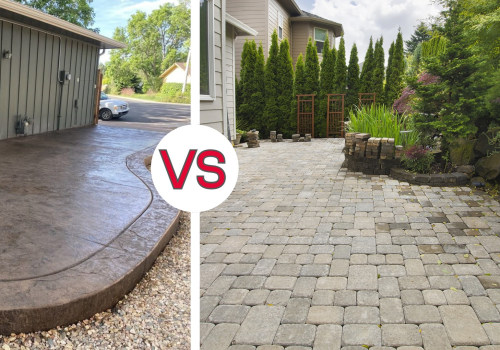
Concrete surfaces play a crucial role in both residential and commercial settings, serving as the foundation for various structures and outdoor spaces. Their durability and versatility make them a popular choice for driveways, patios, walkways, and even decorative elements like stamped concrete. Understanding the significance of these surfaces is essential for homeowners and business owners alike, as they not only enhance the aesthetic appeal of a property but also contribute to its overall value. There are several types of concrete surfaces, each designed to meet specific needs and preferences. For instance, plain concrete is often used for functional areas such as garages and basements, while decorative concrete, which includes stamped and stained options, can transform ordinary spaces into visually stunning environments.
Additionally, exposed aggregate surfaces provide a unique texture that is both attractive and slip-resistant, making them ideal for outdoor applications. To maintain the integrity and appearance of these concrete surfaces, regular upkeep is essential. This is where professional concrete services come into play. Engaging with experts not only ensures that your concrete remains in optimal condition but also helps prevent costly repairs down the line. By understanding the importance of concrete surfaces and the various types available, you can make informed decisions about maintenance strategies that will keep your property looking its best for years to come.
Regular Cleaning: The First Step in Maintenance
Maintaining the integrity and appearance of your concrete surfaces begins with regular cleaning.Over time, dirt, grime, and stains can accumulate, leading to a dull and uninviting look. By implementing a consistent cleaning routine, you can prolong the life of your concrete and enhance its aesthetic appeal.
Methods for Cleaning Different Types of Concrete Surfaces
- Driveways: For concrete driveways, start by sweeping away loose debris. Use a pressure washer for deeper cleaning, ensuring to keep the nozzle at least 12 inches away from the surface to avoid damage. For stubborn stains, a mixture of water and mild detergent can be applied.
- Patios: Patios often require a gentle approach.
Use a broom to remove leaves and dirt, followed by a garden hose to rinse. If mold or mildew is present, a solution of vinegar and water can effectively eliminate these issues.
- Garage Floors: Garage floors may need more intensive cleaning due to oil spills and other stains. A degreaser specifically designed for concrete can be used, followed by scrubbing with a stiff-bristled brush.
Recommended Cleaning Products
When selecting cleaning products for your concrete surfaces, consider the following:
- Mild Detergents: These are suitable for general cleaning without causing harm to the surface.
- Concrete Cleaners: Specialized cleaners are available that target tough stains while being safe for your concrete.
- Vinegar or Baking Soda: These natural options can be effective for light cleaning and stain removal.
Sealing Your Concrete: Why and When to Do It
Sealing your concrete surfaces is a crucial step in maintaining their integrity and appearance.Sealing concrete not only enhances its aesthetic appeal but also provides a protective barrier against moisture, stains, and damage from harsh weather conditions.
Benefits of Sealing Concrete
- Protection Against Stains: Sealing creates a barrier that prevents spills from penetrating the surface, making it easier to clean and maintain.
- Enhanced Durability: A good sealer can extend the lifespan of your concrete by protecting it from wear and tear caused by foot traffic, vehicles, and environmental factors.
- Prevention of Cracking: Sealing helps to reduce the risk of cracking by minimizing water absorption, which can lead to freeze-thaw damage.
- Aesthetic Improvement: Sealers can enhance the color and finish of your concrete, giving it a polished look that can improve the overall appearance of your property.
When to Seal Concrete
The timing of sealing is essential for achieving optimal results. Generally, it is recommended to seal new concrete surfaces at least 28 days after installation to allow for proper curing. For existing surfaces, consider sealing every 1 to 3 years, depending on factors such as:
- The type of sealer used
- The level of foot or vehicle traffic
- The local climate conditions
Types of Sealers Available
There are several types of sealers available for concrete surfaces, each with its unique benefits:
- Acrylic Sealers: These are easy to apply and provide a glossy finish. They are ideal for decorative concrete but may require more frequent reapplication.
- Epoxy Sealers: Known for their durability, epoxy sealers are excellent for high-traffic areas and provide a strong protective layer.
- Polyurethane Sealers: These offer superior resistance to chemicals and UV rays, making them suitable for outdoor applications.
By understanding the benefits and knowing when and what type of sealer to use, you can ensure that your concrete remains in excellent shape for years to come.
Repairing Cracks and Damage Promptly
Concrete surfaces are durable, but they are not immune to damage.Repairing concrete cracks
and other forms of damage promptly is essential to maintain the integrity and appearance of your surfaces. Here are some common types of damage to look out for:- Cracks: These can occur due to settling, temperature changes, or heavy loads.
- Spalling: This is the flaking or peeling of the surface, often caused by freeze-thaw cycles.
- Chipping: Small pieces may break off due to impact or wear.
- Assess the Damage: Determine the extent of the cracks or damage.
Hairline cracks may only need a sealant, while larger cracks may require more extensive repairs.
- Clean the Area: Remove any debris, dirt, or loose concrete from the damaged area. A wire brush or pressure washer can be effective for this task.
- Prepare the Repair Material: For small cracks, a concrete patching compound or epoxy can be used. For larger cracks, consider using a concrete resurfacer.
- Apply the Repair Material: Follow the manufacturer’s instructions for mixing and applying the repair material. Ensure it fills the crack completely and is level with the surrounding surface.
- Smooth and Finish: Use a trowel to smooth out the surface and blend it with the existing concrete.
Allow it to cure as per the product guidelines.
Preventing Stains and Discoloration
Concrete surfaces are durable, but they are not immune to stains and discoloration. Understanding the common causes of these issues can help you take proactive measures to maintain the appearance of your concrete. Here are some tips for preventing stains on concrete and effective stain removal techniques.Common Causes of Stains
- Oil and Grease: Spills from vehicles or outdoor equipment can leave unsightly marks.
- Food and Beverage: Residue from barbecues or outdoor gatherings can lead to discoloration.
- Rust: Metal objects left on concrete can cause rust stains, especially in humid conditions.
- Mold and Mildew: Moisture accumulation can lead to organic growth, resulting in dark spots.
Prevention Tips
- Seal Your Concrete: Applying a high-quality sealant can create a protective barrier against stains.
Reapply every few years for optimal protection.
- Prompt Cleanup: Address spills immediately. Use absorbent materials like cat litter or sawdust to soak up liquids before they penetrate the surface.
- Avoid Harsh Chemicals: When cleaning, opt for pH-neutral cleaners that won’t damage the concrete or its color.
- Regular Maintenance: Sweep and wash your concrete surfaces regularly to prevent dirt buildup that can lead to staining.
Stain Removal Techniques
- Oil Stains: Use a degreaser specifically designed for concrete. Apply it according to the manufacturer's instructions and scrub with a stiff brush.
- Mold and Mildew: A mixture of water and vinegar can effectively remove organic growth. Scrub the affected area and rinse thoroughly.
- Rust Stains: Commercial rust removers or a paste made from baking soda and water can help lift these stubborn stains.
Managing Weather Effects on Concrete Surfaces
Concrete surfaces are highly durable, but they can be significantly affected by various weather conditions.Understanding how weather effects on concrete can impact your surfaces is crucial for maintaining their integrity and appearance.
Protecting Concrete from Weather
- Rain and Moisture: Excessive moisture can lead to surface scaling and cracking. To protect your concrete, consider applying a high-quality sealant that creates a barrier against water infiltration.
- Sun Exposure: Prolonged exposure to sunlight can cause fading and surface deterioration. Using a UV-resistant sealant can help mitigate these effects, preserving the color and texture of your concrete.
- Extreme Temperatures: Both hot and cold temperatures can stress concrete. In winter, it’s essential to winterize concrete surfaces by applying a protective sealant and covering them with insulating materials to prevent freeze-thaw damage.
Winterizing Concrete Surfaces
During the winter months, concrete is particularly vulnerable to damage from freezing temperatures and ice.
Here are some effective strategies:
- Seal Your Concrete: Before winter arrives, apply a penetrating sealant that will help protect against moisture absorption.
- Avoid De-icing Chemicals: While it may be tempting to use salt or other de-icing agents, these can cause significant harm to your concrete. Instead, consider using sand for traction.
- Clear Snow Promptly: Remove snow accumulation as soon as possible to prevent ice formation. Use a plastic shovel to avoid scratching the surface.
Choosing Professional Concrete Services for Maintenance
When it comes to maintaining your concrete surfaces, professional concrete services can make a significant difference.Hiring experts not only ensures that the job is done correctly but also extends the lifespan of your concrete installations.
Benefits of Hiring Concrete Maintenance Services
- Expertise and Experience: Professionals bring years of experience and specialized knowledge to the table. They understand the nuances of different concrete types and the best maintenance practices for each.
- Quality Tools and Materials: Professional services have access to high-quality tools and materials that are often not available to the average homeowner. This ensures that repairs and maintenance are performed to a higher standard.
- Time Efficiency: Maintaining concrete surfaces can be time-consuming. By hiring professionals, you save valuable time that can be better spent on other important tasks.
- Long-Term Cost Savings: While there is an upfront cost associated with hiring professionals, their expertise can prevent costly repairs down the line, making it a wise investment.
What to Look for When Choosing a Contractor
- Reputation: Look for contractors with positive reviews and testimonials.
A good reputation often indicates reliable service.
- Licensing and Insurance: Ensure that the contractor is licensed and insured. This protects you from liability in case of accidents during the maintenance process.
- Portfolio of Work: Ask for examples of previous work. A reputable contractor should be able to showcase their past projects, demonstrating their capability and style.
- Transparent Pricing: Choose a contractor who provides clear estimates without hidden fees. Transparency in pricing helps build trust and ensures you stay within budget.
By selecting the right contractor, you can ensure that your concrete remains in excellent condition for years to come.
Frequently Asked Questions About Concrete Maintenance
Maintaining your concrete surfaces is essential for longevity and aesthetics. Here are some frequently asked questions regarding concrete maintenance:- How often should I clean my concrete surface?
It is recommended to clean your concrete surfaces at least twice a year. Regular cleaning helps prevent the buildup of dirt, grime, and stains that can deteriorate the surface over time. - What is the best way to remove stains from concrete?
For oil stains, use a mixture of baking soda and water or a commercial degreaser. For rust stains, a solution of vinegar or lemon juice can be effective.Always rinse thoroughly after treatment.
- Should I seal my concrete?
Yes, sealing your concrete is highly beneficial. A good quality sealant protects against moisture, stains, and UV damage. It’s advisable to reapply the sealant every 2-3 years, depending on the wear and tear. - Can I use a pressure washer on my concrete?
Yes, a pressure washer can be used to clean concrete surfaces effectively. However, ensure you use the appropriate pressure setting to avoid damaging the surface. - What should I do if my concrete cracks?
Small cracks can often be repaired with a concrete patching compound.For larger cracks or structural issues, it’s best to consult with concrete services professionals to assess the damage and recommend appropriate repairs.
Conclusion: Key Takeaways for Concrete Surface Care
In conclusion, maintaining your concrete surfaces is essential for ensuring their longevity and aesthetic appeal. By following a few key practices, you can significantly extend the life of your concrete and reduce the need for costly repairs.Regular Cleaning
One of the most straightforward yet effective maintenance tips is to keep your concrete surfaces clean. Regularly sweeping away debris and using a pressure washer to remove stains can prevent dirt and grime from embedding into the surface. This not only enhances the appearance but also helps in identifying any potential issues early on.Sealing
Applying a high-quality sealant is another critical step in concrete maintenance.Sealants protect against moisture penetration, which can lead to cracking and spalling. Depending on your local climate and the type of concrete services used, resealing every 1-3 years is advisable.
Addressing Cracks Promptly
Even minor cracks can worsen over time if not addressed promptly. Regularly inspect your concrete surfaces for any signs of damage and use appropriate repair methods to fill in cracks as soon as they appear. This proactive approach can save you from more extensive repairs down the line.Proper Drainage
Ensuring proper drainage around your concrete surfaces is vital.Water pooling can lead to erosion and damage, so make sure that gutters and downspouts direct water away from your concrete areas.