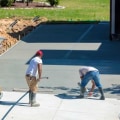
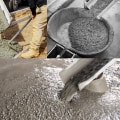
Concrete services play a pivotal role in the construction industry, serving as the backbone for a multitude of projects ranging from residential driveways to large-scale commercial buildings. The significance of concrete services cannot be overstated, as they ensure the durability, strength, and aesthetic appeal of structures. Whether you are planning a new foundation, a decorative patio, or a robust retaining wall, understanding the nuances of concrete projects is essential for achieving optimal results. At the heart of any successful concrete project lies a comprehensive understanding of the materials and techniques involved. This includes not only the mixing and pouring of concrete but also the preparation and finishing processes that contribute to the overall quality of the work.
Engaging professional concrete services ensures that these elements are executed with precision, minimizing the risk of common pitfalls such as cracking or uneven surfaces. Moreover, the importance of utilizing specialized tools and equipment cannot be overlooked. From mixers and trowels to advanced leveling systems, each tool serves a specific purpose that enhances efficiency and effectiveness in concrete application. As we delve deeper into this topic, we will explore the various tools and equipment necessary for executing a successful concrete project, highlighting how they contribute to achieving high-quality results.
Basic Tools Required for Concrete Projects
When embarking on a concrete project, having the right tools is essential for achieving a professional finish. Here are some of the basic tools that every concrete worker should have:- Trowels: These are indispensable for smoothing and shaping the surface of the concrete.
A margin trowel is useful for small areas, while a finishing trowel helps create a smooth surface.
- Floats: Used after troweling, floats help to further smooth the surface and embed aggregate. A magnesium float is often preferred for its ability to produce a fine finish.
- Concrete Mixers: For larger projects, a concrete mixer is vital. It ensures that the concrete is mixed thoroughly and consistently, which is crucial for strength and durability.
- Shovels and Rakes: These tools are necessary for moving and spreading concrete. A square shovel is ideal for scooping, while a rake helps in leveling the material.
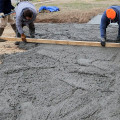
- Screeds: A screed is used to level off freshly poured concrete.
It can be as simple as a straight board or a more advanced vibrating screed for larger areas.
- Buckets and Wheelbarrows: These are essential for transporting concrete from the mixer to the pour site. A sturdy wheelbarrow can save time and effort.
Advanced Equipment for Large-Scale Concrete Projects
When embarking on large-scale concrete projects, the right tools and equipment are crucial for ensuring efficiency, safety, and quality. Specialized machinery not only speeds up the process but also enhances the precision of the work being done.Concrete Pumps
One of the most essential pieces of equipment for large concrete jobs is the concrete pump.This machine allows for the quick and efficient transfer of concrete from a mixer to the desired location, especially in hard-to-reach areas. There are two main types of concrete pumps:
- Boom Pumps: These are mounted on trucks and can reach significant heights and distances, making them ideal for high-rise buildings and large foundations.
- Line Pumps: These are more portable and can be used for smaller projects or in tight spaces where a boom pump cannot fit.
Concrete Mixers
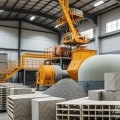
Another critical tool is the concrete mixer. For large projects, a stationary mixer is often used to produce large volumes of concrete quickly. These mixers can handle various types of mixes, ensuring that the right consistency and quality are achieved.In addition to traditional drum mixers, there are also:
- Sicoma Mixers: Known for their efficiency and ability to mix different materials uniformly.
- Planetary Mixers: Ideal for producing high-quality concrete with a consistent texture.
Heavy Machinery
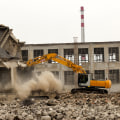
In addition to pumps and mixers, heavy machinery plays a vital role in large-scale concrete projects. Equipment such as excavators, bulldozers, and backhoes are often necessary for site preparation and material handling. These machines help in:- Excavation: Digging foundations or trenches where concrete will be poured.
- Material Transport: Moving aggregates and other materials to the mixing area efficiently.
Safety Gear and Precautions in Concrete Work
When undertaking any concrete project, prioritizing safety is paramount.The nature of concrete work involves various hazards, making the use of appropriate safety gear essential to prevent injuries and ensure a safe working environment.
Essential Safety Gear
- Gloves: Durable, cut-resistant gloves protect your hands from sharp tools and rough materials. They also provide a better grip when handling wet concrete.
- Safety Goggles: Protect your eyes from dust, splashes, and debris. Safety goggles should fit snugly and provide a clear view without fogging.
- Respirators or Masks: When mixing or pouring concrete, fine dust can be released into the air. A proper respirator helps filter out harmful particles, ensuring you breathe safely.
- Steel-Toed Boots: These boots protect your feet from heavy objects that may fall during the project.
They also provide traction on slippery surfaces.
- Hard Hats: In environments where overhead hazards exist, wearing a hard hat is crucial to protect your head from potential injuries.
Precautions to Take
In addition to wearing the right safety gear, following specific precautions can further enhance safety during concrete services. Here are some key practices to consider:- Work in Pairs: Whenever possible, work with a partner. This ensures that help is available in case of an emergency.
- Stay Hydrated: Working with concrete can be physically demanding. Drink plenty of water to stay hydrated, especially in hot weather.
- Clear the Area: Before starting, ensure that the work area is free of obstacles and hazards that could lead to accidents.
- Follow Manufacturer Instructions: Always adhere to the guidelines provided by manufacturers for any tools or materials used in your project.
Remember, safety should always come first in any construction endeavor.
Maintenance of Concrete Tools and Equipment
Maintaining your concrete tools and equipment is essential for ensuring their longevity and efficiency. Proper care not only extends the life of your tools but also enhances the quality of your concrete services. Here are some key maintenance tips to keep in mind:- Regular Cleaning: After each use, clean your tools thoroughly to remove any concrete residue. Use a wire brush or a pressure washer for stubborn spots.
This prevents buildup that can affect performance.
- Inspect for Damage: Regularly check your equipment for any signs of wear and tear. Look for cracks, rust, or loose parts. Addressing these issues early can prevent costly repairs down the line.
- Lubrication: Keep moving parts well-lubricated to ensure smooth operation. Use appropriate lubricants as specified by the manufacturer to avoid damaging the equipment.
- Storage: Store your tools in a dry, sheltered area to protect them from the elements.
If possible, hang tools on a wall or place them in a toolbox to prevent damage from falling or being knocked over.
- Follow Manufacturer Guidelines: Always refer to the manufacturer’s instructions for specific maintenance recommendations. This includes information on cleaning, lubrication, and replacement parts.
FAQs About Tools and Equipment for Concrete Projects
When embarking on a concrete project, having the right tools and equipment is crucial for achieving quality results. Here are some frequently asked questions regarding the tools and equipment needed for concrete services:What basic tools are required for a concrete project?
- Concrete Mixer: Essential for mixing concrete to the right consistency.
- Shovels and Trowels: Used for spreading and smoothing the concrete.
- Level: Ensures that the surface is even and properly aligned.
- Wheelbarrow: Helpful for transporting mixed concrete to the desired location.
- Vibrating Screed: Used to level and compact the concrete surface.
Are there any specialized tools for larger projects?
For larger or more complex concrete services, additional specialized tools may be necessary, including:- Concrete Pump: Facilitates the transportation of concrete over long distances or heights.
- Rebar Bender and Cutter: Essential for shaping and cutting rebar used in reinforcing concrete.
- Concrete Finishing Tools: Such as floats, edgers, and groovers, which help achieve a smooth finish.
Do I need safety equipment?
Absolutely! Safety should always be a priority. Essential safety equipment includes:- Gloves: Protects hands from harsh materials.
- Safety Goggles: Shields eyes from dust and debris.
- Dust Masks: Prevents inhalation of harmful particles.
- Steel-Toed Boots: Offers foot protection against heavy materials.
Conclusion: Choosing the Right Tools for Your Concrete Project
In conclusion, selecting the right tools and equipment is crucial for the success of any concrete project.The quality of concrete services you provide can significantly depend on the tools you choose. Here’s a summary of the essential tools and considerations to keep in mind:
- Mixing Equipment: A reliable concrete mixer is fundamental for achieving a consistent mix. Whether you opt for a portable mixer or a larger stationary model, ensure it meets the scale of your project.
- Finishing Tools: Trowels, floats, and edgers are vital for achieving a smooth finish. Investing in high-quality finishing tools can enhance the aesthetic appeal of your concrete work.
- Formwork Materials: Proper formwork is essential for shaping your concrete.
Use durable materials that can withstand the weight and pressure of wet concrete.
- Safety Gear: Don’t overlook personal protective equipment (PPE). Gloves, goggles, and masks are necessary to protect yourself from dust and chemical exposure.