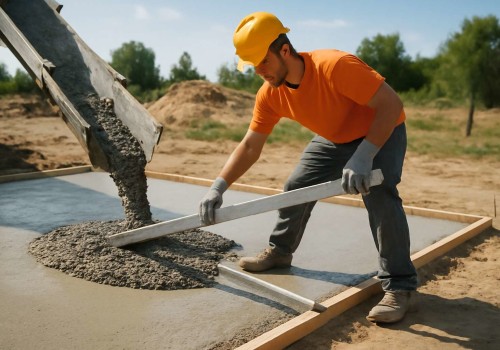
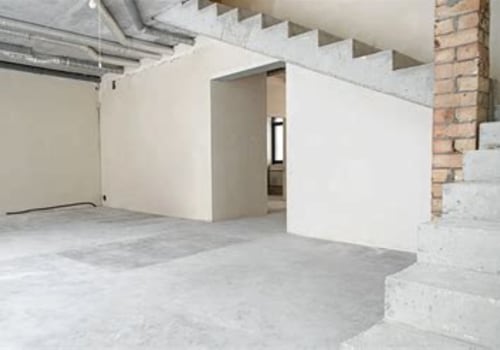
Concrete services encompass a wide range of activities related to the installation, repair, and maintenance of concrete structures. These services are essential in both residential and commercial settings, as they provide the foundation for various projects, from driveways and patios to sidewalks and foundations. Understanding the different types of concrete services available can help homeowners and contractors make informed decisions about their construction needs. There are several types of concrete services, including decorative concrete, stamped concrete, concrete resurfacing, and standard concrete pouring. Each type serves a unique purpose and can significantly enhance the aesthetic appeal and functionality of a space.
For instance, decorative concrete can transform an ordinary surface into a visually striking feature, while resurfacing can breathe new life into worn-out concrete areas. Recognizing these options is crucial for anyone considering a concrete project. The importance of concrete services cannot be overstated. Properly executed concrete work not only ensures durability and longevity but also contributes to the overall safety and value of a property. When planning for such services, preparation is key.
This includes understanding whether items like furniture or landscaping need to be removed from the area to facilitate the work. By taking these steps, you can ensure that your project runs smoothly and achieves the desired results.
The Importance of Preparing Your Space
Preparing your space before concrete services begin is crucial for several reasons. First and foremost, a clear area allows contractors to work efficiently and safely. When furniture and other items are removed, it minimizes the risk of accidents and ensures that the concrete can be poured and finished without obstructions.Benefits of Preparation:
- Enhanced Quality: A clean workspace leads to better results.
When the area is free of debris and obstacles, the concrete can be laid evenly, reducing the chances of imperfections.
- Time Efficiency: Clearing the area beforehand can significantly speed up the process. Contractors won’t waste time moving items or navigating around them, allowing for a quicker project completion.
- Cost Savings: By preparing your space, you may avoid additional charges that could arise from delays or complications caused by unremoved items.
Consequences of Not Preparing:
- Increased Risk of Damage: Leaving furniture or other items in place can lead to accidental damage during the concrete pouring process. This could result in costly repairs or replacements.
- Poor Finish Quality: If the area is cluttered, it may hinder the ability to achieve a smooth finish on the concrete. This can lead to uneven surfaces that may require additional work to correct.
- Delays in Project Timeline: Unprepared spaces often lead to unexpected delays as contractors must take extra time to navigate around obstacles or deal with unforeseen issues.
Ensuring that your area is clear will lead to a smoother process and a more satisfactory outcome.
Items to Remove Before Concrete Services
When preparing for concrete services, it is crucial to ensure that the work area is clear of any obstacles. This not only facilitates a smoother pouring process but also helps prevent damage to your belongings and ensures the safety of the workers. Here’s a detailed list of items you should consider removing:- Furniture: Any outdoor or indoor furniture, such as chairs, tables, and benches, should be relocated. These items can obstruct the area where the concrete will be poured and may get damaged during the process.
- Plants and Landscaping: If there are any plants, shrubs, or decorative landscaping features in the way, it’s best to remove them.
This includes potted plants that can easily be moved as well as larger shrubs that may need to be dug up.
- Decorative Items: Items like garden ornaments, statues, or lighting fixtures should also be cleared from the area. These can not only hinder access but may also be at risk of being damaged by heavy equipment.
- Tools and Equipment: Any tools or equipment that are not part of the concrete work should be removed. This includes lawnmowers, hoses, and other gardening tools that could create hazards.
- Vehicles: If the concrete services are being performed in a driveway or parking area, ensure that all vehicles are moved to a safe location away from the work zone.
How to Safely Remove Items from the Area
When preparing for concrete services, it’s essential to clear the area of any furniture or items that could obstruct the work.Here are some practical tips and techniques for safely removing items from the work area:
- Assess the Area: Before you start moving anything, take a moment to evaluate the space. Identify large items that need to be moved and consider their weight and fragility.
- Gather Necessary Tools: Equip yourself with tools such as dollies, furniture sliders, and moving blankets. These can help you transport heavy items without causing damage to your floors or the furniture itself.
- Enlist Help: Don’t hesitate to ask friends or family for assistance. Having an extra pair of hands can make lifting and maneuvering bulky items much easier.
- Lift with Your Legs: When lifting heavy furniture, always bend at your knees and keep your back straight.
This technique helps prevent injury.
- Use Furniture Sliders: For larger pieces, place furniture sliders under the legs. This allows you to glide the item across the floor instead of lifting it, reducing the risk of scratches or dents.
- Wrap Fragile Items: If you have delicate items nearby, wrap them in moving blankets or bubble wrap before relocating them. This extra layer of protection can prevent breakage during the move.
What Happens If You Don’t Remove Items?
When preparing for concrete services, neglecting to remove items from the work area can lead to a variety of significant consequences.Understanding these risks is crucial for ensuring a smooth and successful project.
Potential Damage to Furniture and Belongings
- Physical Damage: Heavy equipment and materials used during concrete work can easily damage furniture, appliances, or other items left in the area. Scratches, dents, or even complete destruction of valuable belongings can occur.
- Concrete Spills: During the mixing and pouring process, there is a risk of concrete splattering onto nearby items. Once dried, concrete can be extremely difficult to remove, potentially ruining surfaces and fabrics.
Compromised Work Quality
- Obstructions: Leaving furniture or other items in the way can obstruct the workers' ability to perform their tasks efficiently. This may lead to uneven surfaces or improper installation of concrete.
- Increased Time and Costs: If workers have to navigate around obstacles, it can prolong the project timeline, leading to increased labor costs and potential delays in completion.
Safety Hazards
- Tripping Hazards: Clutter in the work area can create tripping hazards for workers, increasing the risk of accidents and injuries.
- Equipment Damage: Items left in the area may also pose a risk to heavy machinery or tools used during the project, potentially leading to equipment malfunctions or breakdowns.
Proper preparation not only protects your possessions but also ensures that the concrete work is completed efficiently and effectively.
FAQs About Preparing for Concrete Services
When preparing for concrete services, many homeowners have questions about whether they need to remove furniture or other items from the work area. Here are some common queries and their answers:Do I need to clear the area before concrete work begins?
Yes, it is essential to clear the area where the concrete services will be performed. This includes removing any furniture, vehicles, or landscaping items that could obstruct the work. A clear space allows contractors to operate efficiently and ensures that the concrete is poured and finished correctly.What specific items should I remove?
- Furniture: Any outdoor or indoor furniture should be moved away from the work area.
- Vehicles: Cars or other vehicles parked in the vicinity should be relocated to provide ample space for equipment.
- Landscaping: Plants, decorations, or garden features that are close to the area should be removed or protected.
Are there any exceptions?
In some cases, if the area is small and unobstructed, contractors may be able to work around certain items.However, it’s best to consult with your concrete services provider for specific guidance.
What preparation tips should I follow?
- Communicate: Discuss with your contractor about what needs to be removed and any concerns you may have.
- Protect nearby items: If you cannot move certain items, consider covering them with tarps or plastic sheeting to protect them from dust and debris.
- Plan for access: Ensure that there is a clear path for workers and equipment to access the site without hindrance.
Conclusion: Ensuring a Successful Concrete Service Experience
In conclusion, preparing your space before concrete services begin is crucial for ensuring a smooth and successful project. By taking the time to remove furniture and other items from the area, you not only facilitate easier access for the contractors but also protect your belongings from potential damage during the concrete pouring and curing process.Here are some key takeaways to consider:- Clear the Area: Ensure that the worksite is free of any obstacles, including furniture, decorations, and personal items. This will allow the concrete team to work efficiently and safely.
- Assess the Space: Before the project starts, evaluate the area where the concrete will be laid. Look for any items that may need to be relocated or stored temporarily.
- Communicate with Your Contractor: Discuss any concerns or specific requirements with your concrete service provider.
They can offer guidance on what needs to be moved and how to best prepare your space.