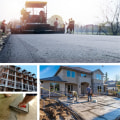
Concrete surfaces are a fundamental component of modern construction, providing durability and strength in various applications, from driveways and sidewalks to commercial flooring and structural elements. Understanding the lifespan of these surfaces is crucial for homeowners and businesses alike, as it directly impacts maintenance costs and overall property value. With proper care, concrete can last for decades, making it a popular choice for both residential and commercial projects. However, the longevity of concrete is not solely determined by its initial quality or the conditions under which it was poured. Regular maintenance plays a pivotal role in extending the life of concrete surfaces.
This includes routine cleaning, sealing, and timely repairs to address any cracks or surface damage that may arise over time. By investing in concrete services, property owners can significantly enhance the durability and aesthetic appeal of their concrete installations. In this article, we will explore the expected lifespan of concrete surfaces when subjected to regular maintenance practices. We will delve into the factors that influence this lifespan, including environmental conditions, usage patterns, and the types of maintenance services available. By understanding these elements, readers will be better equipped to make informed decisions regarding their concrete investments.
Factors Affecting the Lifespan of Concrete Surfaces
The lifespan of a concrete surface is influenced by a variety of factors that can significantly affect its durability and longevity.Understanding these factors is crucial for anyone considering concrete services for their projects.
- Environmental Conditions: The climate in which the concrete is placed plays a vital role in its lifespan. Extreme temperatures, whether hot or cold, can cause expansion and contraction, leading to cracks. Additionally, exposure to moisture, especially in freeze-thaw cycles, can deteriorate the surface over time.
- Quality of Materials: The type and quality of materials used in the concrete mix are fundamental to its durability. High-quality aggregates, cement, and additives can enhance the strength and resistance of the concrete against wear and environmental stressors.
- Usage and Load: The intended use of the concrete surface also affects its lifespan.
Surfaces subjected to heavy loads or constant traffic will wear down more quickly than those used for lighter applications. Properly assessing the expected load can help in selecting the right mix and thickness.
- Maintenance Practices: Regular maintenance is essential for prolonging the life of concrete surfaces. This includes sealing cracks, applying protective coatings, and ensuring proper drainage to prevent water accumulation. Neglecting maintenance can lead to accelerated deterioration.
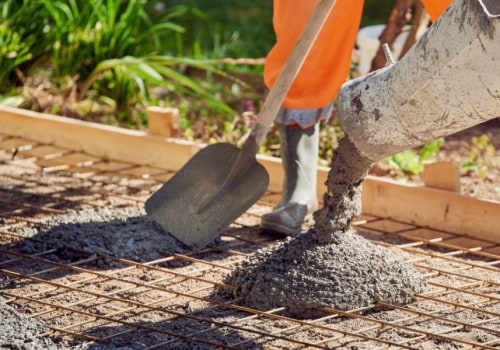
- Installation Techniques: The method of installation can impact how well the concrete performs over time.
Proper curing techniques and adherence to best practices during pouring and finishing are critical for achieving optimal strength and durability.
The Role of Regular Maintenance in Extending Concrete Lifespan
Regular maintenance plays a crucial role in extending the lifespan of concrete surfaces. By implementing a consistent maintenance routine, property owners can significantly enhance the durability and appearance of their concrete. Here are some essential concrete maintenance tips that can help achieve this goal:- Regular Cleaning: Keeping concrete surfaces clean is vital.
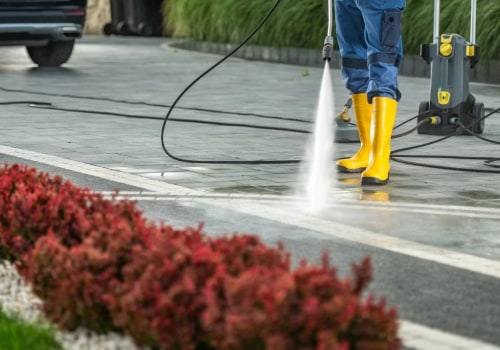
Use a broom or pressure washer to remove dirt, debris, and stains. This prevents the buildup of harmful substances that can degrade the surface over time.
- Sealing: Applying a high-quality sealant every few years protects concrete from moisture, chemicals, and UV damage. This barrier helps prevent cracks and discoloration.
- Crack Repair: Addressing cracks promptly is essential. Use a concrete patching compound to fill in any gaps, preventing water infiltration that can lead to further damage.
- Resurfacing: For surfaces showing significant wear, consider resurfacing.
This process not only restores the appearance but also adds an extra layer of protection.
- Increased Lifespan: Well-maintained concrete can last 30 years or more, compared to unmaintained surfaces that may deteriorate within a decade.
- Cost Savings: Investing in maintenance reduces the need for costly repairs or replacements in the long run.
- Enhanced Safety: Maintaining surfaces helps prevent hazards such as slips and falls caused by uneven or damaged areas.
Common Maintenance Practices for Concrete Surfaces
Maintaining concrete surfaces is crucial for extending their lifespan and ensuring they remain functional and aesthetically pleasing. Here are some common maintenance practices that can help preserve your concrete:- Sealing Concrete: One of the most effective ways to protect concrete is by applying a high-quality sealant.
This creates a barrier against moisture, chemicals, and stains. It is recommended to seal concrete surfaces every 1 to 3 years, depending on the type of sealant used and the level of exposure to elements.
- Regular Cleaning: Keeping concrete surfaces clean is essential. Regularly sweeping away debris and using a pressure washer can help remove dirt, grime, and any potential stains. For tougher stains, a mild detergent or specialized concrete cleaner may be necessary.
- Repairing Concrete Cracks: Cracks can develop over time due to various factors such as temperature changes or heavy loads.
Addressing these cracks promptly is vital to prevent further damage. Use a concrete patching compound for small cracks, while larger ones may require more extensive repair methods.
Expected Lifespan of Different Types of Concrete Surfaces
The expected lifespan of concrete surfaces can vary significantly based on the type of concrete, its application, and the level of maintenance it receives.Understanding these factors is crucial for homeowners and business owners alike when considering concrete services.
Residential vs. Commercial Concrete Lifespan
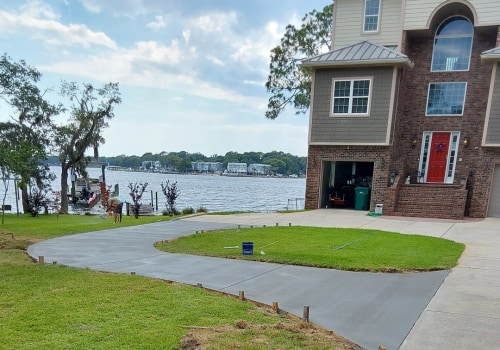
Residential concrete surfaces, such as driveways and patios, typically have a lifespan of 25 to 30 years with proper maintenance. This includes regular sealing, cleaning, and addressing any cracks or damage promptly. In contrast, commercial concrete surfaces, which often bear heavier loads and more traffic, may have a shorter lifespan of around 20 to 25 years.However, with high-quality materials and diligent upkeep, some commercial installations can last longer.
Lifespan of Different Types of Concrete
- Standard Concrete: Generally lasts between 20 to 30 years, depending on environmental conditions and maintenance.
- Reinforced Concrete: With added steel reinforcement, this type can extend the lifespan to 30 to 50 years, especially in structural applications.
- Decorative Concrete: This includes stamped or stained surfaces that can last 15 to 25 years. While aesthetically pleasing, they require more frequent sealing to maintain their appearance.
- Pervious Concrete: Designed for drainage, it typically lasts around 20 years, but its lifespan can be affected by clogging if not properly maintained.
Cost Considerations for Concrete Maintenance Services
When considering the cost of concrete services, it’s essential to understand that regular maintenance can significantly influence the overall expenses associated with concrete surfaces.While the initial installation of concrete may seem like a substantial investment, neglecting maintenance can lead to more severe issues that require costly repairs or even complete replacement.Budgeting for concrete maintenance should be viewed as a proactive approach to preserving your investment. Here are some key factors to consider:
- Routine Inspections: Regular assessments can help identify minor issues before they escalate. Setting aside a small budget for annual inspections can save you from larger repair costs down the line.
- Sealing and Coating: Applying sealants every few years protects against moisture and stains. The cost of sealants is relatively low compared to the potential damage caused by neglect.
- Repairs: Addressing cracks and surface damage promptly can prevent further deterioration.
The cost of minor repairs is significantly less than that of major restoration work.
FAQs About Concrete Lifespan and Maintenance
When it comes to the lifespan of concrete surfaces, many homeowners and business owners have questions. Here are some frequently asked questions regarding concrete services and maintenance:How long can I expect my concrete surface to last?
With proper maintenance, a well-installed concrete surface can last anywhere from 25 to 30 years.Factors such as climate, usage, and the quality of the initial installation play significant roles in determining longevity.
What maintenance is required to extend the lifespan of concrete?
Regular maintenance is crucial for maximizing the lifespan of your concrete. Here are some essential maintenance tips:- Sealing: Apply a high-quality sealant every 2-3 years to protect against moisture and stains.
- Cleaning: Regularly clean your concrete surfaces to remove dirt, debris, and stains. Use a pressure washer or a mild detergent for best results.
- Repairing cracks: Address any cracks or chips promptly to prevent further damage. Use a concrete patching compound for small repairs.
What are common concerns about concrete maintenance?
Many people worry about the cost and effort involved in maintaining concrete surfaces.However, regular maintenance can actually save you money in the long run by preventing costly repairs or replacements. Additionally, maintaining your concrete can enhance its appearance and functionality. If you have specific concerns about your concrete surface or need professional assistance, consider reaching out to a reputable concrete services provider who can offer tailored advice and solutions.
Conclusion: Key Takeaways on Concrete Lifespan and Maintenance Importance
In conclusion, understanding the expected lifespan of a concrete surface is crucial for homeowners and property managers alike. With proper care and regular maintenance, concrete surfaces can last significantly longer than their average lifespan of 25 to 30 years. Here are some key takeaways:- Regular Maintenance is Essential: Routine inspections and maintenance can identify potential issues before they escalate, ensuring the longevity of your concrete.
- Sealing and Protection: Applying sealants can protect against moisture infiltration, which is one of the leading causes of concrete deterioration.
- Timely Repairs: Addressing cracks and surface damage promptly can prevent further degradation, extending the life of your concrete.
- Environmental Factors: Be aware that factors such as climate, soil conditions, and usage patterns can impact the lifespan of your concrete surfaces.
- Professional Concrete Services: Engaging with experienced concrete services for maintenance and repairs can provide expert insights and high-quality workmanship that enhances durability.
By prioritizing maintenance, you ensure that your concrete remains a reliable and durable choice for years to come.