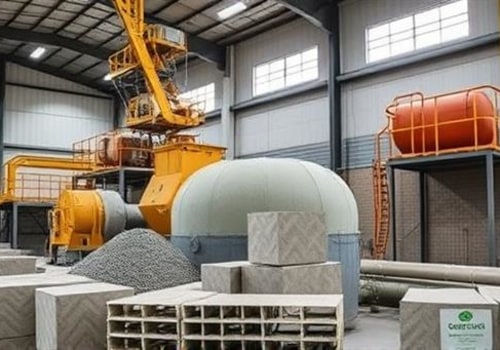
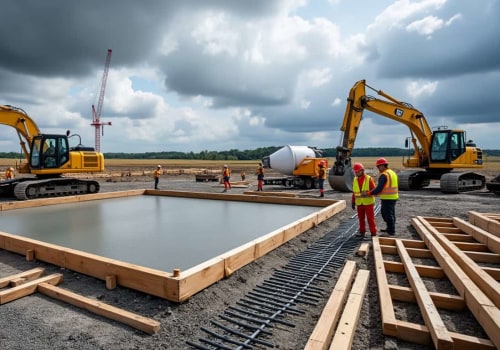
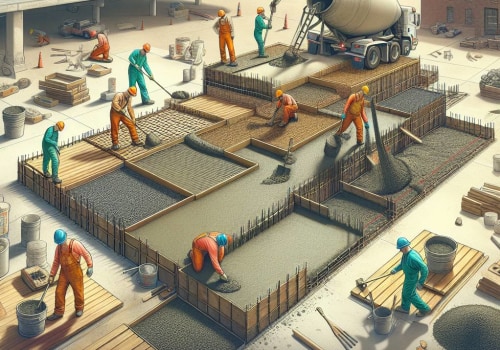
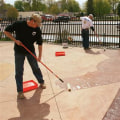
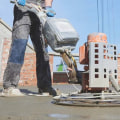
When it comes to concrete services, one of the most exciting aspects is the variety of concrete textures available for your surfaces. The texture of concrete not only enhances its aesthetic appeal but also plays a crucial role in its functionality. Whether you are looking to create a slip-resistant patio, a decorative driveway, or a unique flooring solution, understanding the different concrete surface options can help you make informed decisions that align with your vision. Concrete textures can range from smooth and polished finishes to rugged and patterned surfaces. Each type of texture serves a specific purpose and can dramatically alter the look and feel of your space.
For instance, a stamped concrete finish can mimic the appearance of natural stone or brick, providing an elegant touch to outdoor areas. On the other hand, exposed aggregate surfaces offer a more rustic charm while ensuring durability and traction. As you explore the possibilities, it's essential to consider how these textures will complement your overall design scheme. Engaging with professional concrete services allows you to customize your concrete surfaces according to your preferences, ensuring that you achieve both beauty and practicality. In the following sections, we will delve deeper into the various types of concrete textures available, helping you discover the perfect option for your project.
What Are Concrete Textures?
Concrete textures refer to the various surface finishes that can be applied to concrete, enhancing both its aesthetic appeal and functionality.Understanding these textures is crucial for anyone considering concrete services, as they can significantly impact the overall look and feel of a space.
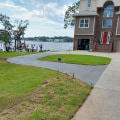
- Smooth Finish: A smooth concrete surface is achieved by using a trowel to create a flat, even finish. This type of texture is often used in indoor settings, such as floors and countertops, where a sleek appearance is desired.
- Brushed Finish: A brushed finish involves using a broom or brush to create subtle grooves on the surface. This texture not only adds visual interest but also provides better traction, making it ideal for outdoor areas like patios and walkways.
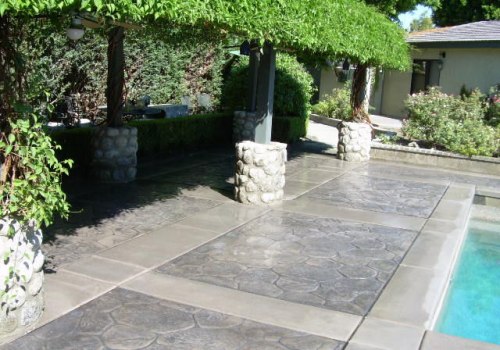
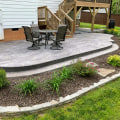
- Stamped Concrete: Stamped concrete mimics the appearance of natural materials such as stone or brick. By using molds and color additives, contractors can create intricate patterns that enhance the beauty of driveways, pool decks, and more.
- Exposed Aggregate: This technique involves removing the top layer of cement paste to reveal the underlying aggregate stones.
The result is a textured surface that is both durable and visually appealing, often used in sidewalks and driveways.
Can You Request Specific Textures?
When it comes to concrete services, one of the most appealing aspects is the ability to customize your concrete surface to meet your specific aesthetic and functional needs. Many homeowners and businesses are surprised to learn that they can indeed request specific textures for their concrete surfaces.This flexibility allows for a wide range of personalized options that can enhance the overall look and feel of any space.Contractors specializing in custom concrete services are equipped to accommodate various texture requests. Whether you desire a smooth finish for a modern look, a stamped pattern for added visual interest, or a brushed texture for improved traction, skilled professionals can deliver results that align with your vision.
Popular Texture Options
- Smooth Finish: Ideal for patios and walkways, providing a sleek appearance.
- Stamped Concrete: Mimics the look of stone or brick, offering a decorative touch.
- Exposed Aggregate: Showcases the natural stones within the concrete, perfect for driveways.
- Brushed Finish: Adds texture and slip resistance, suitable for pool decks.
With the right concrete services, you can achieve a unique look that reflects your style while ensuring durability and practicality.
Factors Influencing Texture Choices
When considering concrete services for your project, the choice of texture is influenced by several key factors. Understanding these factors can help you select a texture that not only meets your aesthetic preferences but also serves practical purposes.Aesthetics
The visual appeal of your concrete surface is often the first consideration. Different textures can dramatically change the look of a space. For instance, a smooth finish may be ideal for modern designs, while a stamped texture can mimic natural materials like stone or brick, adding character to outdoor patios or walkways.Functionality
Functionality is another critical aspect.The texture of your concrete can affect its slip resistance and durability. For high-traffic areas or surfaces exposed to moisture, a rougher texture may be necessary to prevent slips and falls. Conversely, smoother textures are easier to clean and maintain, making them suitable for indoor applications.
Climate Considerations
Your local climate can also dictate the best texture for your concrete surfaces. In regions with heavy rainfall or snow, a textured surface can provide better traction and reduce the risk of ice formation.On the other hand, in hotter climates, a smooth finish may help reflect heat and keep surfaces cooler.
Maintenance Requirements
The maintenance level required for different textures should not be overlooked. Textured surfaces may require more frequent cleaning to prevent dirt buildup, while smoother finishes might need periodic sealing to maintain their appearance. Consider how much time and effort you are willing to invest in upkeep when choosing your concrete texture.In summary, when selecting a concrete texture, consider aesthetics, functionality, climate conditions, and maintenance needs. By weighing these factors carefully, you can make an informed decision that enhances both the beauty and performance of your concrete surfaces.Popular Concrete Texture Options
When considering concrete services, one of the most exciting aspects is the variety of textures available for your concrete surfaces.Each texture not only enhances the aesthetic appeal but also serves different functional purposes. Here are some of the most popular concrete texture options:
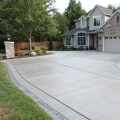
- Broom Finish: This is one of the most common finishes, achieved by dragging a broom across freshly poured concrete. It provides a non-slip surface, making it ideal for driveways and sidewalks.
- Exposed Aggregate: This finish involves removing the top layer of cement paste to reveal the underlying aggregate stones. It creates a beautiful, textured surface that is both durable and visually appealing, perfect for patios and walkways.
- Stamped Concrete: Stamped concrete mimics the look of natural stone, brick, or tile.
It is highly customizable and can be used for driveways, pool decks, and patios, offering a unique design element to any outdoor space.
- Polished Concrete: This finish involves grinding down the surface of the concrete to achieve a high-gloss finish. It is often used in commercial spaces but is becoming increasingly popular in residential settings for its sleek appearance and ease of maintenance.
- Salt Finish: By applying salt to the surface before it sets, this finish creates a textured surface with small pits. It is often used in pool areas due to its slip-resistant properties.
The Process of Requesting a Custom Texture
Requesting a custom texture for your concrete surface can enhance both the aesthetic and functional aspects of your project.Here’s a step-by-step guide to help you navigate the process effectively.
1.Define Your Vision
Before reaching out to concrete services, take some time to define what you want. Consider the following:- Texture Type: Do you prefer a smooth finish, a stamped design, or a more rugged look?
- Color and Stain: Think about how color will complement your existing landscape or architecture.
- Functionality: Will the surface be used for walking, driving, or decorative purposes?
2.Research Local Contractors
Look for reputable concrete contractors in your area who specialize in custom textures. Check their portfolios to see examples of their work and read reviews from previous clients.3.Initial Consultation
Once you have a shortlist of contractors, schedule an initial consultation. During this meeting:- Communicate Clearly: Share your vision and any specific textures you have in mind.
- Ask Questions: Inquire about their experience with similar projects and the materials they recommend.
- Discuss Budget: Be upfront about your budget to ensure that your expectations align with what is feasible.
4.Review Proposals
After consultations, contractors will provide proposals outlining the scope of work, materials, and costs.Take the time to review these documents carefully:
- Compare Options: Look at different textures and finishes offered by each contractor.
- Clarify Details: Ensure that all aspects of your request are included in the proposal.
5.Finalize Your Choice
Select the contractor who best understands your vision and offers a competitive proposal. Once you’ve made your choice, finalize the contract and confirm timelines for the project.In summary,
requesting a custom texture for your concrete surface involves clear communication, thorough research, and careful consideration of proposals. By following these steps, you can ensure that your project meets your expectations and enhances your space effectively.
FAQs About Concrete Textures and Services
When considering concrete services, many customers have questions about the types of textures available for their concrete surfaces. Here are some frequently asked questions that can help clarify your options:Can I request a specific texture for my concrete surface?
Absolutely! Most concrete services offer a variety of textures to choose from.Whether you prefer a smooth finish, a stamped design, or a more rugged look, you can discuss your preferences with your contractor. They can guide you through the available options and help you select the best texture that suits your aesthetic and functional needs.
What are the most common textures for concrete?
- Smooth Finish: Ideal for indoor surfaces and areas where a sleek look is desired.
- Exposed Aggregate: This texture reveals the stones within the concrete, providing a natural and rustic appearance.
- Stamped Concrete: Mimics the look of stone, brick, or tile, offering versatility in design.
- Broom Finish: A textured surface created by brushing wet concrete, providing slip resistance.
How do I choose the right texture for my project?
Choosing the right texture depends on several factors:- Aesthetic Preference: Consider how the texture will complement your overall design.
- Functionality: Think about where the concrete will be used. For example, textured surfaces may be better for outdoor areas to prevent slipping.
- Maintenance: Some textures may require more upkeep than others; discuss this with your contractor.
Conclusion: Making the Right Choice for Your Concrete Surface
In conclusion, understanding the various texture options available for your concrete surface is crucial when selecting concrete services.The texture not only affects the aesthetic appeal of your project but also influences functionality, safety, and maintenance. As we have discussed, different textures can provide unique benefits, from slip resistance to enhanced visual interest. When considering your options, keep in mind the following key points:
- Functionality: The texture you choose should align with the intended use of the surface. For example, a rough texture may be ideal for outdoor walkways to prevent slipping, while a smooth finish might be more suitable for indoor spaces.
- Aesthetic Appeal: Textured concrete can significantly enhance the visual appeal of your property. Whether you prefer a stamped design that mimics natural stone or a brushed finish for a more modern look, there are numerous styles to choose from.
- Maintenance Requirements: Different textures come with varying maintenance needs.
Consider how much time and effort you are willing to invest in upkeep when making your decision.