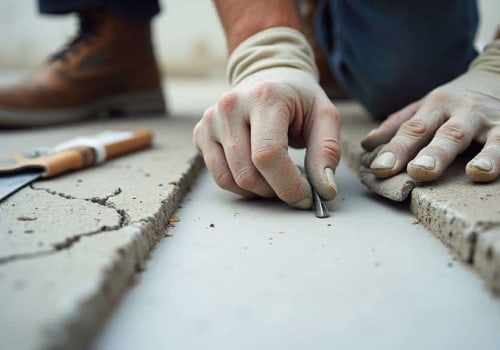
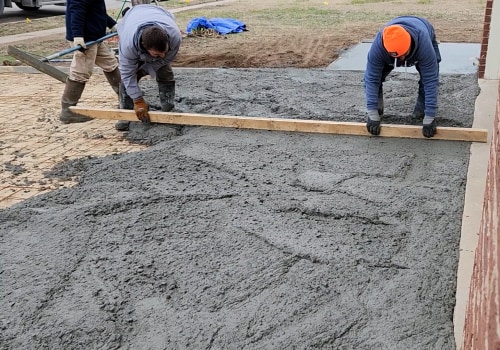
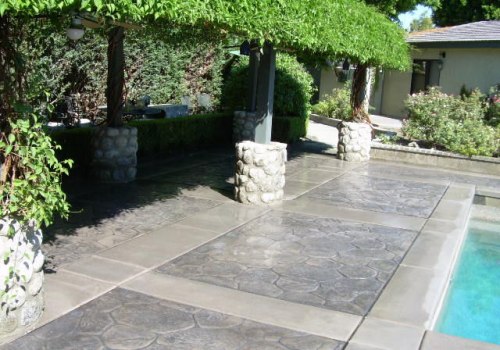
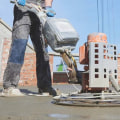
Concrete services encompass a wide range of specialized offerings that involve the use of concrete for various construction and design projects. These services are not limited to outdoor applications, as many homeowners and businesses are discovering the versatility of concrete in indoor settings. From flooring to decorative elements, concrete services can transform interior spaces, providing both functionality and aesthetic appeal. There are several types of concrete services available, each tailored to meet specific needs. Common offerings include concrete pouring, finishing, stamping, and polishing.
Each type serves a unique purpose; for instance, polished concrete floors are not only durable but also create a sleek, modern look that is increasingly popular in residential and commercial interiors. Additionally, decorative concrete options such as stained or stamped surfaces allow for creative expression, enabling homeowners to customize their spaces. When considering indoor applications of concrete services, it’s essential to recognize their benefits. Concrete is known for its strength and longevity, making it an ideal choice for high-traffic areas like kitchens and living rooms. Moreover, with advancements in technology, the aesthetic possibilities have expanded significantly.
Homeowners can now choose from a variety of finishes and colors that complement their interior design while enjoying the practical advantages of this robust material.
Benefits of Using Concrete Services Indoors
When considering concrete services for indoor projects, the benefits are numerous and compelling. One of the primary advantages is durability. Concrete is known for its strength and longevity, making it an ideal choice for high-traffic areas such as hallways, kitchens, and living rooms. Unlike other flooring materials, concrete can withstand heavy loads and resist wear and tear over time.Another significant benefit is the aesthetic appeal that concrete can bring to indoor spaces.With advancements in technology, concrete can now be stained, polished, or stamped to create a variety of looks that suit any design style. Whether you prefer a sleek modern finish or a rustic charm, concrete services can help you achieve the desired ambiance in your home.Additionally, using concrete indoors offers low maintenance requirements. Unlike wood or carpet, which may require regular cleaning and upkeep, concrete surfaces are easy to clean and maintain. A simple sweep and occasional mopping are often all that’s needed to keep your concrete looking fresh and new.
- Energy Efficiency: Concrete has excellent thermal mass properties, which can help regulate indoor temperatures and reduce energy costs.
- Versatility: Concrete can be used for various applications indoors, including flooring, countertops, and even decorative elements.
- Allergen-Free: Unlike carpets that can trap dust and allergens, concrete surfaces are hypoallergenic and promote better indoor air quality.
These factors make concrete an excellent choice for homeowners looking to invest in long-lasting and beautiful indoor environments.
Common Indoor Projects That Utilize Concrete Services
When considering concrete services for indoor projects, there are numerous applications that can enhance both functionality and aesthetics within your home. Here are some common indoor projects that effectively utilize concrete:- Concrete Flooring: One of the most popular uses of concrete indoors is for flooring. Concrete floors are not only durable but can also be polished or stained to achieve a variety of looks, from sleek modern finishes to rustic textures.
- Countertops: Concrete countertops are becoming increasingly popular in kitchens and bathrooms. They offer a unique, customizable surface that can be molded into any shape and finished in various colors and textures, making them a stylish choice for any home.
- Decorative Elements: Concrete can be used to create stunning decorative elements such as wall art, sculptures, or even planters.
These pieces can serve as focal points in a room, adding character and charm.
- Fireplaces: A concrete fireplace surround can provide a contemporary look while being heat-resistant and easy to maintain. This application not only enhances the aesthetic appeal but also adds value to your home.
- Basement Finishing: Many homeowners choose to use concrete services when finishing their basements. Concrete walls and floors can create a clean, modern look while providing excellent insulation and moisture resistance.
Types of Concrete Used for Indoor Projects
When considering concrete services for indoor projects, it's essential to understand the various types of concrete that can enhance both aesthetics and functionality.Here are some of the most popular options:
- Polished Concrete: This type of concrete is ground and polished to achieve a high-gloss finish. It is not only visually appealing but also durable and easy to maintain, making it an excellent choice for residential and commercial spaces alike.
- Stamped Concrete: Stamped concrete mimics the appearance of natural materials such as stone, brick, or tile. This versatility allows homeowners to achieve a unique look while benefiting from the durability of concrete.
- Colored Concrete: By adding pigments during the mixing process, colored concrete can be customized to match any interior design scheme. This option is perfect for creating a cohesive look throughout your indoor space.
- Self-Leveling Concrete: Ideal for indoor applications where a smooth surface is required, self-leveling concrete flows easily and fills in imperfections.
It’s often used as a subfloor before installing other flooring materials.
- Concrete Overlays: If you have existing concrete floors that need a facelift, overlays can provide a fresh new look. They can be stamped, stained, or polished to create a variety of finishes.
Considerations When Choosing Concrete Services for Indoor Use
When considering concrete services for indoor projects, several key factors must be evaluated to ensure a successful outcome. Understanding these considerations can help you make informed decisions that align with your project goals.- Cost: Budget is often a primary concern.
Indoor concrete projects can vary significantly in cost depending on the type of finish, complexity of the design, and the specific services required. It's essential to obtain multiple quotes from different contractors to compare prices and services offered.
- Design Preferences: The aesthetic appeal of indoor concrete can be enhanced through various techniques such as staining, stamping, or polishing. Consider what look you want to achieve and discuss these options with your contractor. A skilled professional can provide insights into the best finishes that suit your style and functional needs.
- Contractor Expertise: Not all concrete contractors have experience with indoor projects.
Look for professionals who specialize in indoor applications and have a portfolio showcasing their work. Check reviews and ask for references to ensure they have a proven track record of delivering quality results.
- Indoor Environment: The indoor environment can affect the curing process of concrete. Factors such as humidity, temperature, and ventilation should be considered when planning your project. Discuss these conditions with your contractor to determine the best approach for installation.
- Maintenance Requirements: Different finishes require varying levels of maintenance.
Be sure to inquire about the upkeep needed for your chosen finish to ensure it remains in good condition over time.
FAQs About Using Concrete Services Indoors
When considering concrete services for indoor projects, many homeowners have questions about the feasibility and durability of using concrete in their living spaces. Here are some frequently asked questions that can help clarify these concerns.Can I Use Concrete Indoors?
Yes, you can definitely use concrete indoors. In fact, concrete is becoming increasingly popular for various indoor applications, including flooring, countertops, and decorative elements. Its versatility allows for a range of finishes and styles, making it suitable for both modern and traditional interiors.Is Indoor Concrete Durable?
Absolutely! Indoor concrete is known for its durability.When properly installed and maintained, it can withstand heavy foot traffic, resist stains, and endure wear and tear over time. Additionally, indoor concrete can be treated with sealants to enhance its longevity and protect it from moisture and spills.
How to Maintain Indoor Concrete Surfaces?
Maintaining indoor concrete surfaces is relatively straightforward. Here are some tips to keep your concrete looking its best:- Regular Cleaning: Sweep or vacuum regularly to remove dirt and debris. For deeper cleaning, use a mild detergent mixed with water.
- Avoid Harsh Chemicals: Steer clear of abrasive cleaners that can damage the surface.
Instead, opt for pH-neutral products.
- Sealant Application: Reapply sealant every few years to protect against stains and moisture.
- Address Cracks Promptly: If you notice any cracks or chips, repair them quickly to prevent further damage.
Conclusion: The Versatility of Concrete Services Indoors
In conclusion, concrete services offer a remarkable range of possibilities for indoor projects, proving that this material is not just limited to outdoor applications. From flooring to countertops, the versatility of concrete allows homeowners and designers to create stunning and functional spaces that meet their specific needs.Throughout this article, we explored various indoor uses of concrete, highlighting its durability, aesthetic appeal, and low maintenance requirements. Here are some key takeaways:- Durability: Concrete is known for its strength and longevity, making it an ideal choice for high-traffic areas within the home.
- Aesthetic Flexibility: With options for staining, polishing, and texturing, concrete can be customized to fit any design style, from modern to rustic.
- Eco-Friendly Options: Many concrete services now offer sustainable practices, such as using recycled materials or low-VOC products, making it a greener choice for indoor projects.
- Cost-Effectiveness: While the initial investment may be higher than other materials, the long-term savings on maintenance and replacement make concrete a wise financial decision.
Embrace the versatility of concrete and explore how it can transform your indoor spaces into something truly extraordinary.