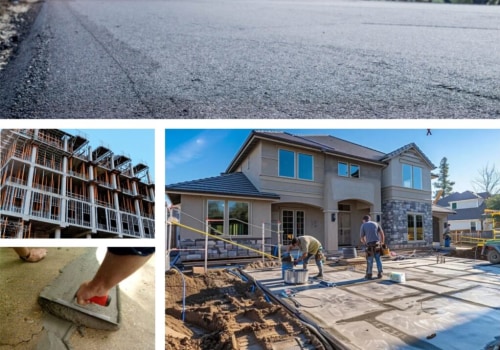
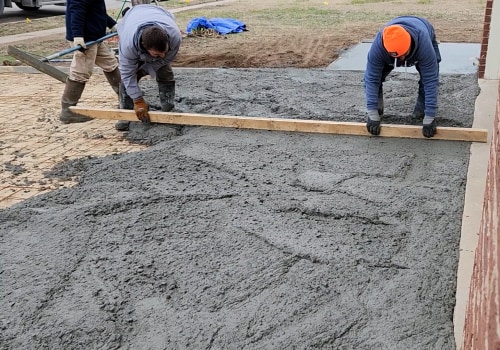
Concrete services encompass a wide range of activities related to the mixing, pouring, and finishing of concrete for various construction projects. These services are essential for creating durable structures, including foundations, driveways, sidewalks, and decorative elements. Understanding the different types of concrete services available is crucial for homeowners and builders alike, as each type serves a specific purpose and requires specialized skills. Similarly, the Intricate Process of Gathering Weather Data in construction can significantly impact project planning and execution. Among the most common types of Concrete services encompass a wide range of activities related to the mixing, pouring, and finishing of concrete for various construction projects. These services are essential for creating durable structures, including foundations, driveways, sidewalks, and decorative elements. Understanding the different types of concrete services available is crucial for homeowners and builders alike, as each type serves a specific purpose and requires specialized skills. Similarly, the Intricate Process of Gathering Weather Data in construction can significantly impact project planning and execution. Among the most common types of concrete services are residential concrete installation, commercial concrete work, decorative concrete applications, and repair services.
Residential concrete installation typically involves creating driveways, patios, and walkways that enhance the aesthetic appeal of a home while providing functionality. On the other hand, commercial concrete work often focuses on larger-scale projects such as parking lots and industrial floors that must withstand heavy loads. Decorative concrete services include stamped or stained finishes that add visual interest to surfaces. Repair services address issues like cracks or surface damage, ensuring the longevity of existing structures. The importance of concrete services cannot be overstated; they form the backbone of modern construction.
Properly executed concrete work not only enhances the structural integrity of buildings but also contributes to safety and longevity. As we delve deeper into this topic, it becomes essential to consider how extreme weather conditions can impact these services. Factors such as temperature fluctuations, heavy rainfall, and snow can significantly affect the curing process and overall quality of concrete installations. Understanding these challenges is vital for anyone involved in construction or renovation projects.
Impact of Extreme Weather on Concrete
Extreme weather conditions can significantly impact the performance and longevity of concrete services.Understanding these effects is essential for ensuring that concrete structures remain durable and effective over time.
Effects of Extreme Heat
In high temperatures, the curing process of concrete can be adversely affected. Rapid evaporation of moisture can lead to cracking and reduced strength. To mitigate these issues, it is crucial to:- Use curing compounds that retain moisture.
- Schedule pours during cooler parts of the day.
- Employ shading techniques to protect freshly poured concrete from direct sunlight.
Effects of Extreme Cold
Conversely, extremely low temperatures can hinder the hydration process necessary for concrete to gain strength. When temperatures drop below 40°F (4°C), special precautions must be taken:- Use heated enclosures or blankets to maintain warmth.
- Add accelerators to the mix to promote faster curing.
- Avoid pouring concrete on frozen ground or when snow is present.
Moisture Effects
Excessive moisture from rain or high humidity can also pose challenges.While some moisture is beneficial for curing, too much can lead to:
- Washout of cement particles, weakening the mix.
- Increased risk of efflorescence, which can mar the surface appearance.
- Difficulties in finishing due to slippery surfaces.
Best Practices for Concrete Services in Cold Weather
When it comes to concrete services in cold weather, special considerations are essential to ensure the integrity and durability of the concrete. Pouring concrete in low temperatures can lead to a range of issues, including delayed setting times and increased risk of freeze damage.Here are some best practices to follow:
- Use of Additives: Incorporating accelerators into the concrete mix can help speed up the curing process. These additives reduce the setting time, allowing the concrete to gain strength more quickly, which is crucial in cold conditions.
- Temperature Monitoring: Always monitor the temperature of both the air and the concrete mix. Ideally, the temperature should be above 50°F (10°C) during pouring and for at least 24 hours afterward.
- Insulation Techniques: After pouring, cover the concrete with insulating blankets or heated enclosures. This helps maintain an optimal temperature and prevents freezing during the critical curing phase.
- Warm Water Mixing: Using warm water in your concrete mix can help raise the initial temperature of the mixture, promoting faster hydration and reducing the risk of freeze damage.
- Timing of Pouring: Schedule concrete pours during the warmest part of the day, typically in the afternoon when temperatures are highest.
Avoid night-time pours when temperatures drop significantly.
Best Practices for Concrete Services in Hot Weather
When it comes to concrete services in hot weather, careful planning and execution are essential to ensure the integrity and durability of the concrete. High temperatures can lead to rapid evaporation of moisture, which can compromise the curing process and result in surface cracking or weakened concrete.Here are some best practices for managing hot weather concrete pouring:- Timing of Pours: Schedule concrete pours during the cooler parts of the day, such as early morning or late afternoon. This minimizes exposure to direct sunlight and reduces the risk of rapid moisture loss.
- Use of Retarders: Incorporate chemical retarders into the concrete mix.
These additives slow down the setting time, allowing for better workability and reducing the chances of premature hardening.
- Cooling Techniques: Implement cooling methods such as using chilled water or ice in the mix. This helps lower the initial temperature of the concrete, making it less susceptible to heat damage.
- Moisture Retention: Cover freshly poured concrete with wet burlap or plastic sheeting to retain moisture. This is crucial for proper curing, especially in high temperatures where evaporation rates are elevated.
- Windbreaks: If working in windy conditions, consider using windbreaks to reduce evaporation rates. This can be as simple as erecting temporary barriers around the work area.
Proper attention to detail during hot weather not only enhances the quality of the concrete but also extends its lifespan, making it a worthwhile investment for any construction project.
Dealing with Rain and Moisture During Concrete Work
When it comes to concrete services, rain and moisture can significantly impact the quality and durability of the finished product. Understanding how to manage these elements is crucial for successful concrete pouring and curing.Effects of Rain on Concrete Pouring
Pouring concrete during rainy conditions can lead to several issues:- Surface Damage: Rain can wash away the surface of freshly poured concrete, leading to a weak surface layer.
- Inconsistent Curing: Excess moisture can interfere with the curing process, resulting in uneven strength and durability.
- Increased Setting Time: Wet conditions can delay the setting time, making it difficult to finish the surface properly.
Moisture Control in Concrete Services
To mitigate the effects of moisture during concrete work, consider the following strategies:- Weather Forecasting: Always check weather forecasts before scheduling concrete work. If rain is expected, it may be wise to postpone.
- Use of Admixtures: Incorporating water-reducing admixtures can help improve workability and reduce the risk of washout.
- Curing Compounds: Applying curing compounds can help retain moisture in the concrete while protecting it from external water sources.
Protecting Wet Concrete from Rain
If rain is imminent during a pour, take proactive measures to protect the wet concrete:- Covers and Tarps: Use waterproof covers or tarps to shield freshly poured concrete from rain. Ensure they are securely fastened to prevent wind from displacing them.
- Shelters: Erect temporary shelters or tents over the work area to provide a controlled environment for curing.
- Drainage Solutions: Ensure proper drainage around the site to prevent water pooling on or around the freshly poured concrete.
Choosing the Right Materials for Extreme Weather Conditions
When it comes to concrete services in extreme weather conditions, the choice of materials is crucial for ensuring durability and performance.Different climates require specific concrete mixes and additives to withstand temperature fluctuations and environmental stressors.
Best Concrete Mixes for Extreme Weather
For regions experiencing severe cold, a high-strength concrete mix is essential. This mix typically includes a lower water-to-cement ratio, which helps reduce the risk of freeze-thaw damage. Additionally, using air-entraining agents can create tiny air bubbles within the concrete, allowing it to expand without cracking during freezing conditions.In contrast, areas with extreme heat require a different approach. A cooling concrete mix, which incorporates lighter aggregates and reflective materials, can help mitigate heat absorption.This not only enhances the longevity of the structure but also improves energy efficiency.
Additives for Cold Weather Concrete
- Accelerators: These additives speed up the curing process, allowing the concrete to set before temperatures drop too low.
- Retarders: In some cases, especially in fluctuating temperatures, retarders can be used to slow down the setting time, ensuring that the concrete remains workable longer.
Additives for Hot Weather Concrete
- Water-reducing admixtures: These help maintain workability while reducing the overall water content, which is vital in hot conditions to prevent rapid evaporation.
- Chilled mixing water: Using chilled water during mixing can help keep the temperature of the concrete down, reducing the risk of thermal cracking.
Frequently Asked Questions about Concrete Services in Extreme Weather
When it comes to concrete services in extreme weather conditions, several common questions arise. Understanding these can help ensure the integrity and durability of concrete installations.What are the challenges of pouring concrete in cold weather?
Pouring concrete in cold weather presents unique challenges, primarily due to the risk of freezing. If the temperature drops below 32°F (0°C), the hydration process slows down significantly, which can lead to incomplete curing and weakened concrete.To mitigate these risks, contractors often use:
- Heated enclosures to maintain a stable temperature around the concrete.
- Accelerating admixtures that speed up the curing process.
- Insulated blankets to retain heat during the curing phase.
How does hot weather affect concrete pouring?
Conversely, pouring concrete in hot weather can lead to rapid evaporation of moisture, which may cause surface cracking and reduced strength. To combat these issues, it is essential to:- Schedule pours during cooler parts of the day, such as early morning or late afternoon.
- Use retarding admixtures to slow down the setting time.
- Keep materials cool by using shaded areas or wet coverings.
What precautions should be taken for both extremes?
No matter the weather conditions, proper planning is crucial. Here are some general precautions:- Monitor weather forecasts closely before scheduling any concrete work.
- Consult with professionals who have experience in handling extreme weather conditions.
- Follow industry guidelines for temperature ranges and curing times.
Conclusion: Key Takeaways for Concrete Services in Extreme Weather Conditions
In conclusion, providing concrete services in extreme weather conditions requires a comprehensive understanding of the challenges posed by both hot and cold environments. As we have discussed, the integrity and durability of concrete can be significantly affected by temperature fluctuations, humidity levels, and precipitation. Here are the key takeaways to consider:- Temperature Management: During hot weather, it is crucial to keep the concrete cool to prevent rapid evaporation and cracking.
This can be achieved through methods such as using cool water, shading the work area, and applying curing compounds.
- Cold Weather Precautions: In cold conditions, it is essential to ensure that the concrete does not freeze before it sets. Utilizing heated enclosures, insulating blankets, or accelerators can help maintain optimal curing temperatures.
- Moisture Control: Both rain and humidity can adversely affect concrete placement. It is vital to monitor weather forecasts and plan accordingly to avoid pouring during adverse conditions.
- Material Selection: Choosing the right mix design tailored for specific weather conditions can enhance performance. For instance, using additives that improve workability in hot weather or retarders in cold weather can make a significant difference.
Adapting techniques and being proactive not only protects the quality of the work but also enhances client satisfaction and project longevity.